
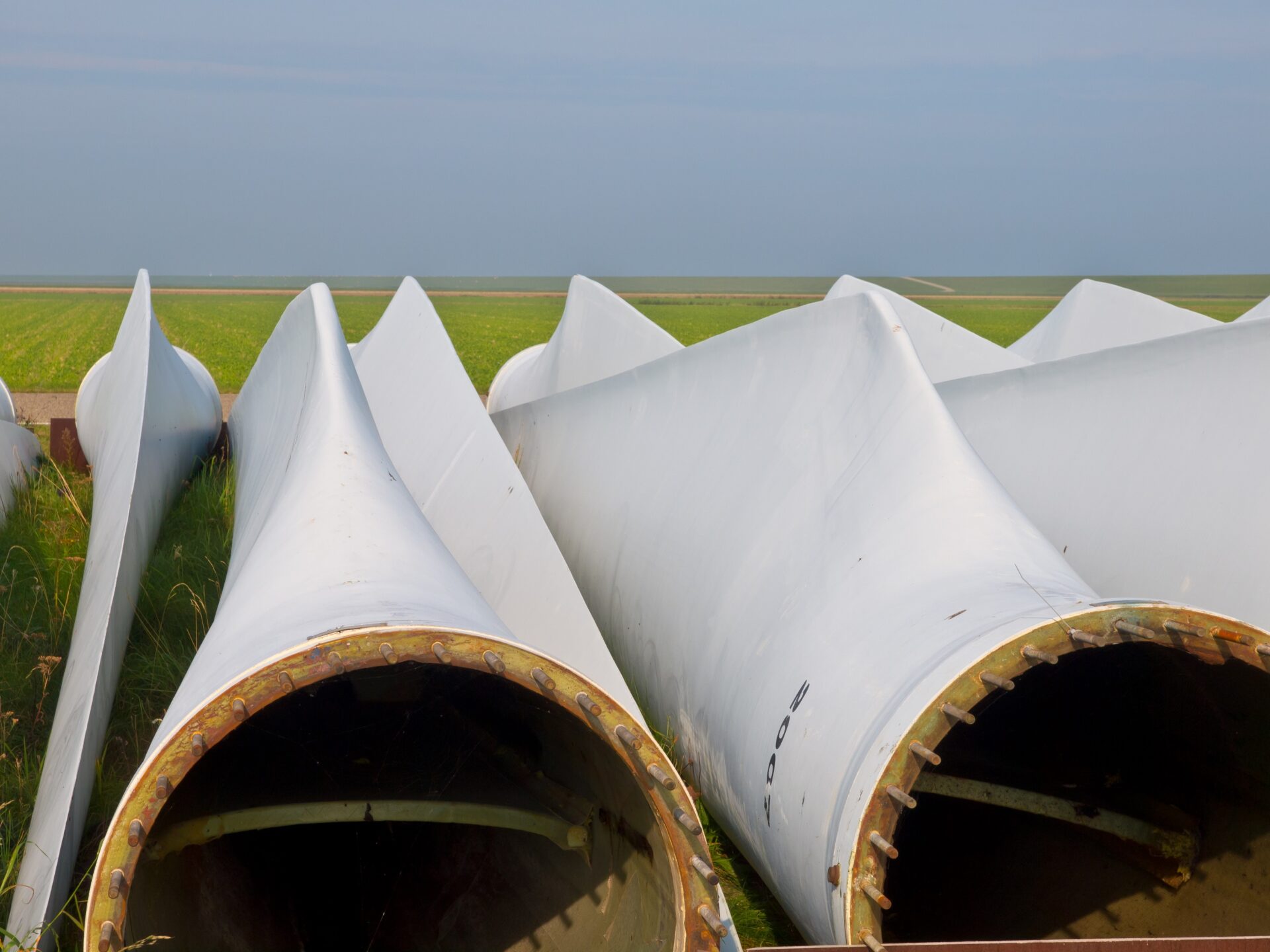
However, their heterogeneous composition and difficult separation limit their recyclability. In response to this need, the CÍCLiCOM project was launched—an initiative aimed at promoting high-value technical solutions that unlock the full potential of these materials and move towards a more sustainable and competitive industry.
The project aims to encourage the adoption of new strategies and tools that foster the circularity of composite and complex plastic materials within the industrial landscape. It works to provide companies with access to services and knowledge that facilitate the implementation of more efficient recycling processes, helping to reduce dependence on virgin raw materials, minimize landfill waste, and improve sector competitiveness.
CÍCLiCOM focuses on materials such as multilayer plastics and thermoplastic and thermoset composites, which are widely used in high-performance industrial products but are particularly difficult to recover. These materials, essential in key sectors of our economy, require innovative solutions to close their life cycle sustainably. Although the project does not aim to develop a specific technology, it does establish an innovation ecosystem around advanced recycling, offering technical advisory services, the development of technological roadmaps, and a public technology watch system that provides companies with up-to-date information on trends, developments, and opportunities in the field of complex plastic recycling.
CÍCLiCOM is made up of six entities with extensive experience in environmental and technological fields: AIMPLAS (the Plastics Technology Centre), the Basque environmental industry cluster Aclima, the Gaiker Foundation, the Spanish National Association of Plastic Recyclers (ANARPLA), the Foundation for Research and Development in Transport and Energy (CIDAUT), and VALORIZA Environmental Services.
Technological innovation is therefore a key element of the project, but its success largely depends on knowledge transfer and the training of industry professionals. AIMPLAS contributes by developing specific content and programs that help companies improve their preparedness and adapt to the new challenges of the circular economy. These programs aim to generate specialized talent, promote the implementation of new technologies, and facilitate the adoption of more sustainable processes in Spanish industry.
The project is supported by Next Generation EU funds—an institutional backing that is crucial for accelerating innovation and modernizing recycling infrastructure. Thanks to this funding, CÍCLiCOM can move faster in implementing sustainable solutions and creating a public-private collaboration framework that ensures effective results transfer and model scalability. Among the expected impacts are reduced consumption of virgin raw materials, lower CO₂ emissions and landfill waste, and job creation linked to new business opportunities arising from the circular economy.
All these advances and developments will be prominently featured at PLASREC 2025, the International Seminar on Plastic Recycling organized by AIMPLAS, which has become a key meeting point for companies, technology centers, and sector entities. The event will take place on December 10–11 and will cover the latest recycling trends, new European regulatory frameworks, technological advances, and industrial success stories that are paving the way toward real plastic circularity.
As part of the PLASREC program, a dedicated workshop on the CÍCLiCOM project will be held, presenting the results achieved so far and the tools developed to improve the management and recycling of composite and complex plastic materials. It will be a unique opportunity for industry professionals to learn firsthand about the innovations driven by the project, explore collaboration opportunities within its ecosystem, and apply advanced and sustainable recycling strategies in their own companies.
CÍCLiCOM represents a decisive step toward a stronger and more effective circular economy, where knowledge, innovation, and collaboration between companies and technology centers become drivers of change. Thanks to joint efforts and a commitment to sustainability, the project is helping to redefine how we perceive plastic materials and their life cycles, promoting a more efficient, competitive, and environmentally respectful industrial model.
The upcoming PLASREC event will undoubtedly be the perfect setting to continue building this shared vision, driving the recycling of complex materials through science, technology, and cooperation.
The CÍCLiCOM project is funded by the CDTI’s Innovation Ecosystems program, which aims to bring technological capabilities developed by “Cervera” Excellence Technology Centers and Institutes into the economic and social environment, promoting their valorization and contributing to the consolidation of innovative ecosystems. The call is part of the actions included in Spain’s National Recovery, Transformation and Resilience Plan (PRTR), and receives funding from the European Union’s “Next Generation EU” through the Recovery and Resilience Mechanism.