
However, the current configuration of some composting and anaerobic digestion plants does not always ensure that these materials are completely degraded, which poses a challenge for the environment and for waste recovery.
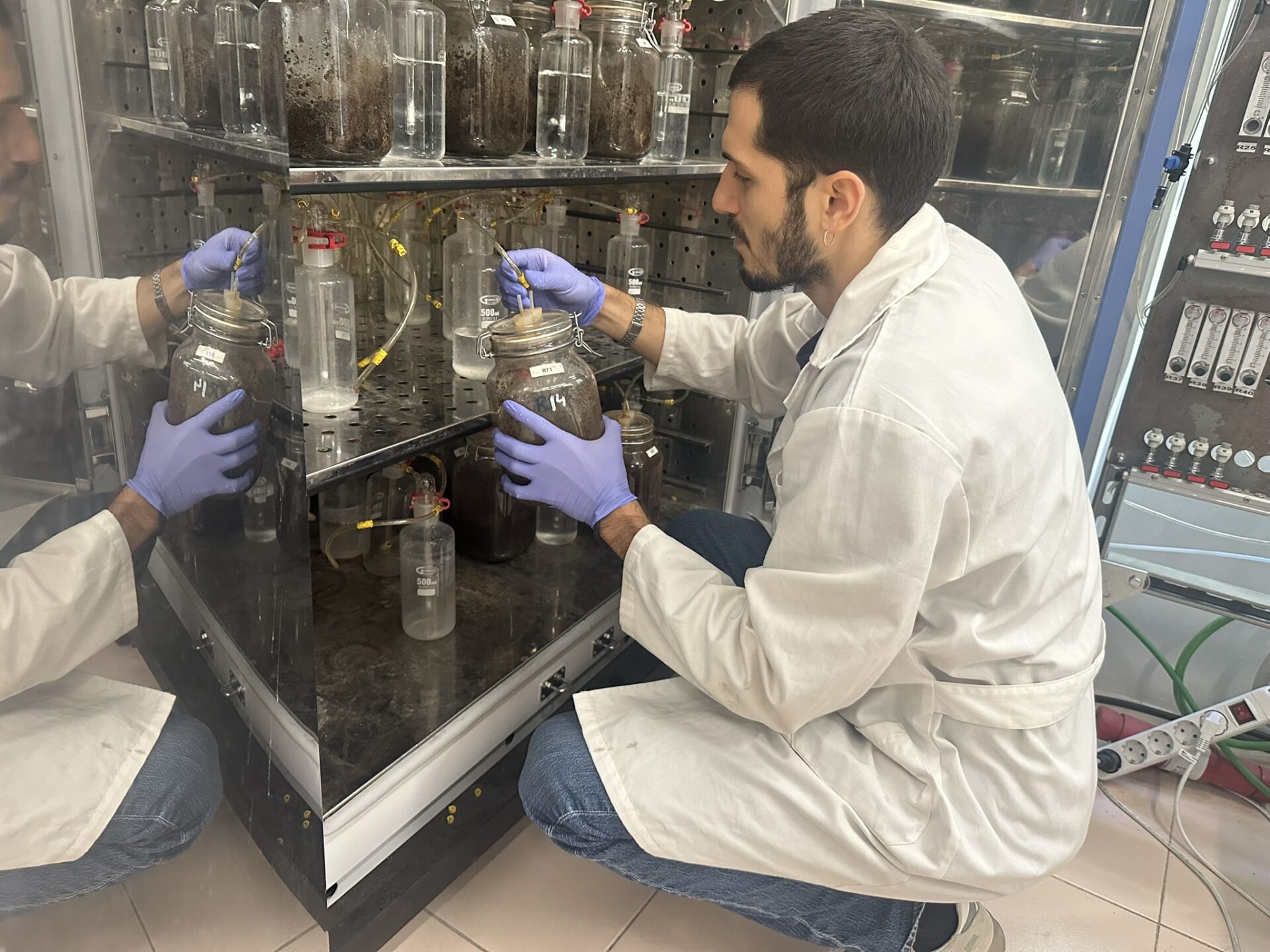
To respond to this challenge, Aimplas is coordinating the Microfago project, in which the Department of Plant Biology of the Faculty of Pharmacy at the University of Valencia, Darwin Bioprospecting Excellence, Evolving Therapeutics and the company Gestión Integral de Residuos Sólidos (Girsa) are participating. The initiative proposes an innovative solution: accelerating the decomposition of compostable bioplastics in organic waste treatment processes through the combined use of microorganisms and natural viruses (phages) that promote faster and more effective biodegradation.
The project’s approach is simple: on the one hand, phages will be used, which act on bacteria that hinder degradation, thus favouring the work of beneficial microorganisms. And, on the other hand, the presence of microorganisms that actively help to break down bioplastics will be enhanced by introducing them into the process to reinforce biodegradation.
The expected outcome of the project is the development of an innovative process that accelerates the biodegradation of compostable bioplastics in an environmentally safe manner. All of this is in line with the principles of the circular economy, promoting the recovery of waste, both in the form of material and energy, and contributing to reducing the impact of plastics on the environment.
This project is funded by the Valencian Institute of Competitiveness and Innovation (IVACE+i), through the Strategic Cooperation Projects programme in its 2024 call for proposals, and ERDF funds.