
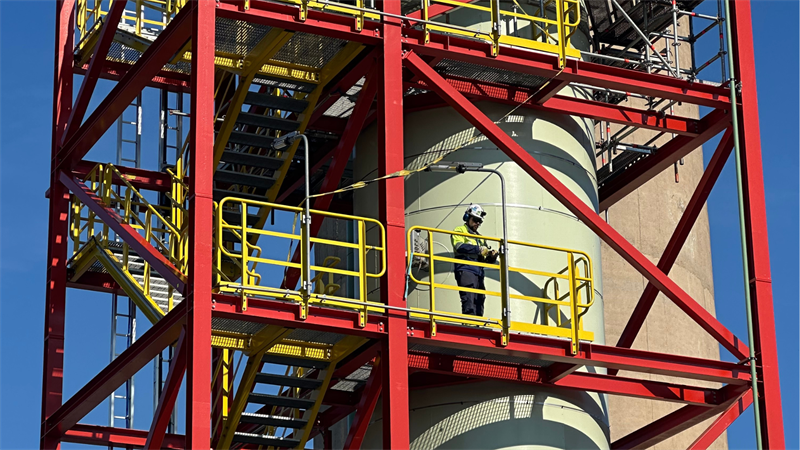
The facility can process up to 150,000 tonnes of liquefied waste plastic annually. It produces feedstock for the plastics and chemicals industry. According to the company, processing will be ramped up gradually.
Integration into existing refinery infrastructure
Neste has processed liquefied waste plastic, including pyrolysis oil, since 2020. Construction of the new chemical recycling facility began in 2023 and involved integration into the existing refinery infrastructure. The project was completed at the end of 2025, with production ramp-up starting in 2026. Further increases in throughput will depend on market developments and regulatory conditions.
Processing of complex plastic waste streams
The chemical recycling facility is designed to upgrade liquefied plastic waste to a quality level suitable for petrochemical production. Mechanical recycling remains an established method but is often limited by the quality and composition of waste streams. The upgrading process in Porvoo focuses on oils derived from complex plastic waste fractions such as multilayer packaging, mixed plastics and contaminated plastic materials.
Mass balance approach for recycled feedstock
In the facility, liquefied waste plastic is processed together with conventional crude oil. Neste applies a mass balance approach to allocate recycled raw materials used in the process to its recycled Neste RE™ products. According to the company, the use of recycled Neste RE™ can reduce the consumption of virgin fossil resources by more than 70% and greenhouse gas emissions by more than 35% when compared with the incineration of plastic waste followed by the use of fossil feedstock in plastics production.
Technology licensing for chemical recycling
To support the development of chemical recycling infrastructure, Neste also licenses liquefaction technology for hard-to-recycle plastics. The company cooperates with Alterra and Technip Energies in this field to provide process technology for the conversion of plastic waste into feedstock suitable for further upgrading in refining and petrochemical processes.