
Fiberboard recycling and process integration
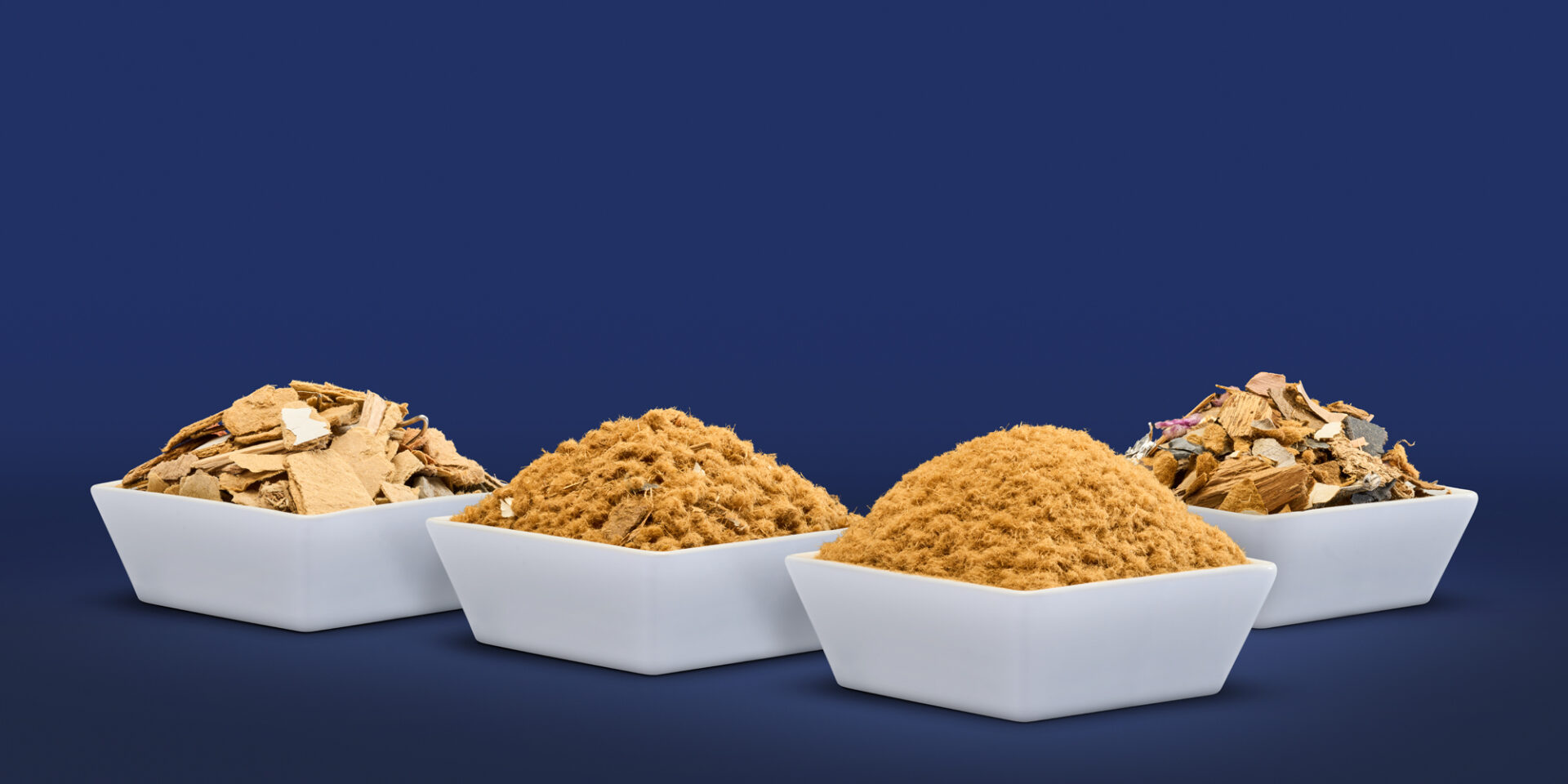
With its Fiber2Fiber process, Dieffenbacher recycling and energy solutions enable the industrial reuse of wood-based panels such as MDF, HDF and THDF, including post-consumer materials. The process allows recycled fibers to be used as a substitute for fresh wood in panel production.
The technology is designed for integration into existing production lines. According to the company, fiber properties remain largely unchanged, while process-related moisture input is limited. This contributes to stable processing conditions and supports cost efficiency in production.
Waste wood recycling and raw material supply
Dieffenbacher’s waste wood recycling technologies are aimed at enabling the direct use of recycled wood in panel production. This approach reduces dependence on regional supplies of fresh wood and supports more flexible raw material sourcing.
The use of recycled wood can also contribute to lower raw material costs compared to primary wood inputs, depending on regional market conditions.
Waste2Product for secondary raw materials
Within the Waste2Product segment, Dieffenbacher recycling and energy solutions focus on processing production residues and waste streams into new products. The company develops application-specific plant concepts, typically for small-batch production.
Potential input materials include glass fiber-reinforced plastics, such as components from decommissioned wind turbine blades, and paper-plastic composites such as beverage cartons. Plant designs are adapted to material characteristics and target product properties, including thickness and mechanical strength.
Processing of composites and panel applications
For glass fiber-reinforced plastics, plant configurations are designed to reduce wear and ensure stable operation. Additional material fractions such as metals or fibers can be separated and recovered. Resulting panels can be used in construction applications, including drywall systems, façade elements or door cores.
Paper-plastic composites can be processed without additional binders, as the thermoplastic fraction acts as a binding agent during production. The resulting panels consist entirely of recycled material and are used, for example, in interior construction and acoustic insulation.
Technical development and testing
Development of Waste2Product applications is supported by Dieffenbacher’s Technical Center. Laboratory analyses and pilot trials are carried out prior to plant design. The company also cooperates with research partners to expand application areas. Current concepts focus primarily on panel products, with further processing options under evaluation.
Energy generation from biogenic residues
At the joint Austrian booth, the subsidiary Dieffenbacher Energy will present systems for thermal energy generation based on grate and fluidized bed technologies, as well as gasification solutions.
The gasification process enables the production of nitrogen-free synthesis gas from biogenic residues. This gas can be used as a feedstock for hydrogen production or for synthesizing fuels and gases.
Combined recycling and energy approaches
Dieffenbacher positions the combination of recycling technologies and energy systems as a complementary approach within industrial material cycles. The integration of both fields is intended to support resource efficiency and the utilisation of secondary raw materials within industrial processes.
Hall A4, Booth 138