

Development of sensor-based sorting
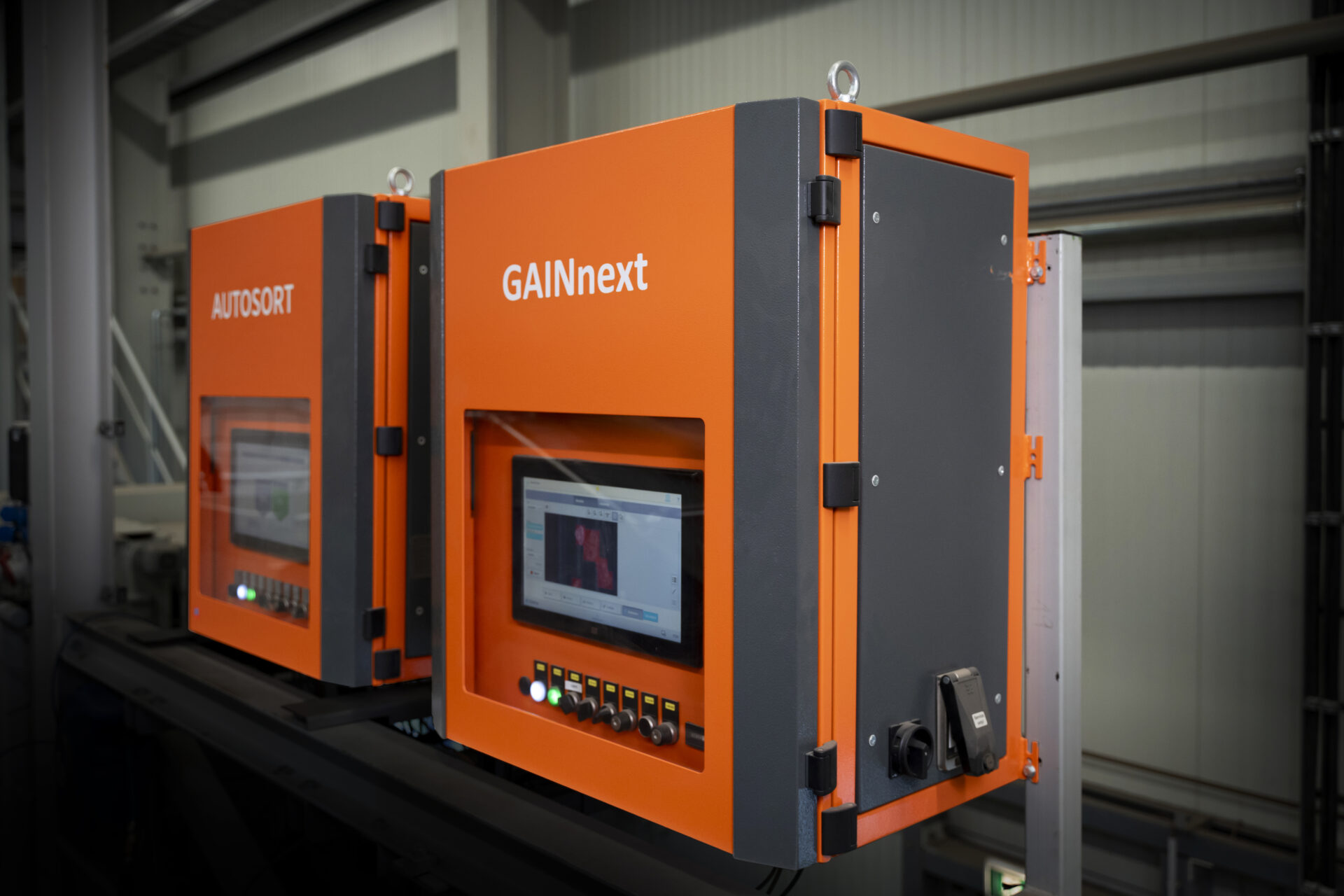
Since the introduction of Autosort in 1996, sorting technology has evolved from rule-based optical systems to integrated and connected solutions. Early systems combined automated sorting with optical sensors and initial AI approaches. Subsequent developments included hyperspectral imaging, improvements in illumination and detection of black materials, as well as increased flexibility through software-based configurations.
In 2019, the integration of the deep learning module GAINnext extended sorting capabilities, particularly in complex applications such as food-grade plastics. Current systems combine multi-sensor technology, image processing and AI-based material recognition with digital tools for monitoring and process optimisation.
Software integration and plant control
A new software platform will also be introduced at IFAT 2026. Tomra Local Control enables centralised operation of sorting systems via a single interface within the plant network. The system provides continuous performance data and allows remote adjustment of sorting parameters and configurations. This supports data-driven plant management and operational efficiency.
Data-driven waste analysis
At the exhibition, Tomra will also present technologies for waste analysis developed in collaboration with PolyPerception. These systems use deep learning to analyse material streams in real time, providing information on composition, recovery rates and material purity. The resulting data can support process optimisation and quality control in sorting facilities.
Expansion of AI-based applications
In addition to existing systems, Tomra will introduce further AI sorting solutions based on deep learning. These developments are intended to expand application areas and improve sorting performance across different material streams. Company representatives will provide technical information on the new systems and their integration into existing plant infrastructure.
Hall B6, Booth 339