
Project framework and consortium
BioSupPack concludes its activities with an online event involving 18 organisations across the bioplastics value chain. The project received funding of EUR 7.6 million from the Circular Bio-based Europe Joint Undertaking under the Horizon 2020 programme. Coordination was led by AIMPLAS, the Plastics Technology Centre in Valencia, Spain.
Process development and material innovation
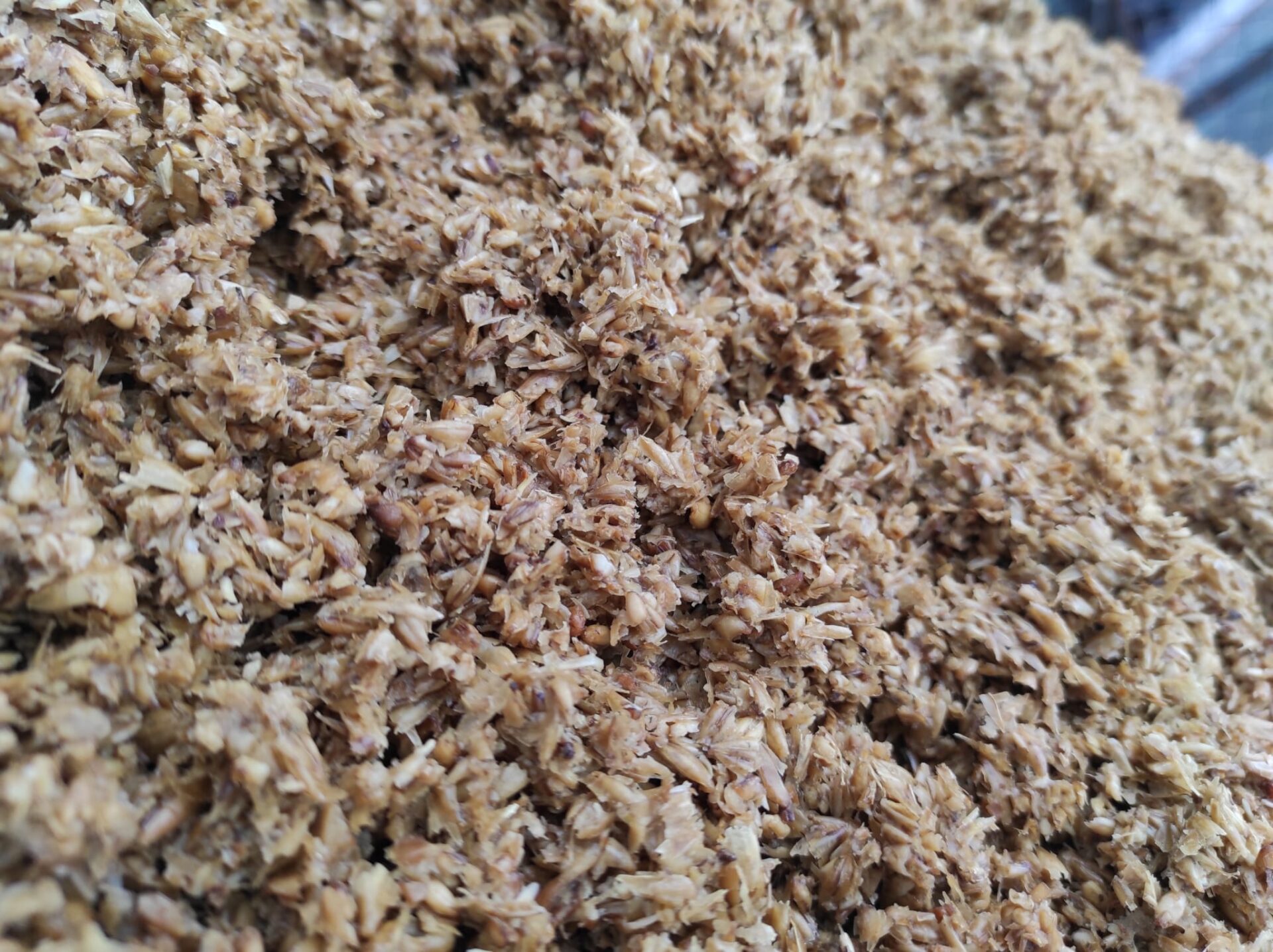
The project established a biorefinery process to convert brewery spent grains into PHB using plasma pretreatment and microbial fermentation. The process reached technology readiness level 6, demonstrating feasibility in an industrially relevant environment.
PHA-based coating formulations were developed as biobased and biodegradable alternatives to polyethylene and polyvinyl chloride coatings. These coatings can be applied to paperboard and textiles and have reached technology readiness level 6.
The consortium also developed compostable fibre-based packaging with barrier properties suitable for applications such as ice cream containers. These materials reached technology readiness level 7.
PHB-based formulations for rigid packaging were produced for applications including bottles and retail displays. The materials are derived from renewable waste streams and are compatible with extrusion blow moulding and injection moulding processes. These developments reached technology readiness level 7 and were validated at industrial scale.
Packaging applications and recycling technologies
Prototype packaging includes bottles for food and personal care products as well as retail display systems. In parallel, a sorting prototype was developed to separate new biobased packaging streams. The materials are designed for enzymatic recycling processes using selective enzymes, enabling an additional end-of-life pathway.
Relevance for PPWR compliance
The project addresses regulatory requirements under the PPWR, including the target that all packaging placed on the EU market must be recyclable by 2030. The technologies demonstrated within BioSupPack are compatible with existing manufacturing systems, supporting integration into current industrial processes.
Contribution to circular bioeconomy
The results contribute to European policy objectives such as the European Green Deal and the EU Bioeconomy Strategy. By enabling circular packaging from brewery waste at scale, the project supports resource efficiency and the development of new value chains in the bioeconomy. The technologies are available for further uptake by stakeholders including biopolymer producers, packaging manufacturers and brand owners in multiple sectors.