
Increased recovery of mineral and glass fractions
The IRRT process bottom ash recycling enables the processing of up to 80 percent of the dry mass into certified raw materials. The recovered mineral fraction and glass meet regulatory requirements under REACH and European product legislation. The aggregates produced comply with EU 305/2011 and DIN EN 12620, allowing their use in concrete production as substitutes for primary raw materials such as sand and gravel.
The process also targets high recovery rates for glass fractions, which can be used in applications such as foam glass production. Compared to conventional processing methods, the IRRT process extends material utilisation beyond typical applications such as base course materials.
Improved metal recovery rates
Metal recovery is a central component of bottom ash recycling. The IRRT process increases recovery rates for ferrous metals and stainless steel to up to 95 percent. For non-ferrous and precious metals, recovery rates of up to 90 percent are reported, including fine fractions from particle sizes of 0.5 mm.
These results are achieved through integrated process steps that improve separation efficiency and material purity compared to established technologies.
Process design and operational efficiency
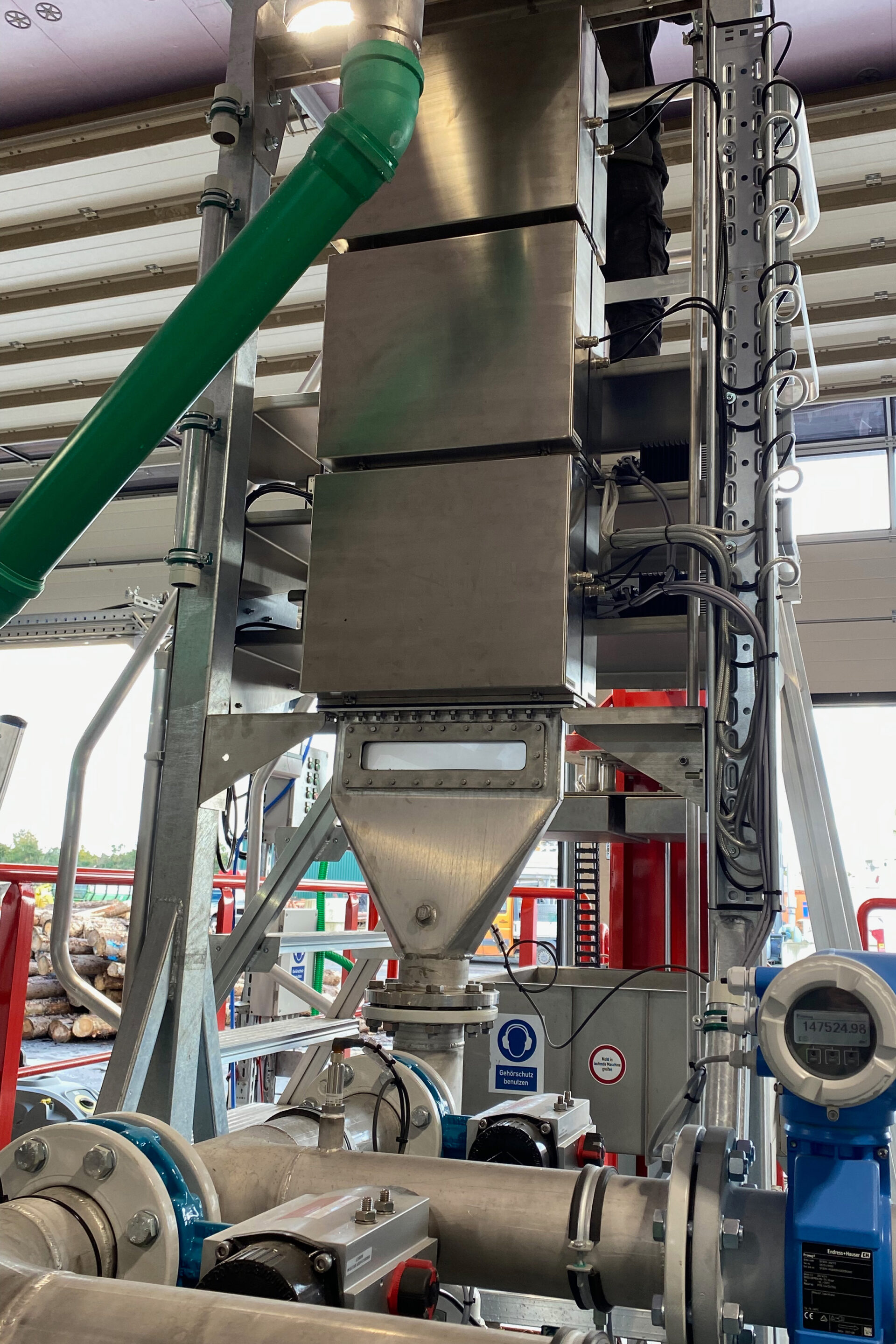
The IRRT process combines dynamic carbonation, mechanical decomposition and high-frequency cleaning. A key feature is the treatment of fresh bottom ash without extended storage periods. This reduces oxidation losses, particularly for aluminium, and eliminates the need for large storage areas.
Water consumption is reduced compared to conventional wet processing systems. The process operates with a low water-to-solids ratio and does not require fresh water input, enabling wastewater-free plant operation. This contributes to lower operating costs and simplified permitting procedures.
Environmental impact and landfill reduction
By recovering secondary raw materials that can replace primary resources, the IRRT process bottom ash recycling contributes to resource conservation and emission reduction. Metals, mineral aggregates and glass are returned to the material cycle in defined qualities.
The process reduces the volume of residual material requiring disposal. Approximately 20 percent of the initial input remains as fines and process residues, which exhibit stabilising properties and can be deposited in compliance with landfill class DK-1 requirements.
Industrial application in waste incineration
The IRRT process is designed for integration into waste incineration plant operations. Thermal treatment of waste remains a component of waste management systems, particularly where landfill diversion and energy recovery are required. The process addresses the recovery of materials contained in bottom ash, which are typically only partially utilised with current technologies.
With the exclusive manufacturing agreement, Eggersmann will be responsible for scaling and implementing the IRRT process in industrial plant construction.