
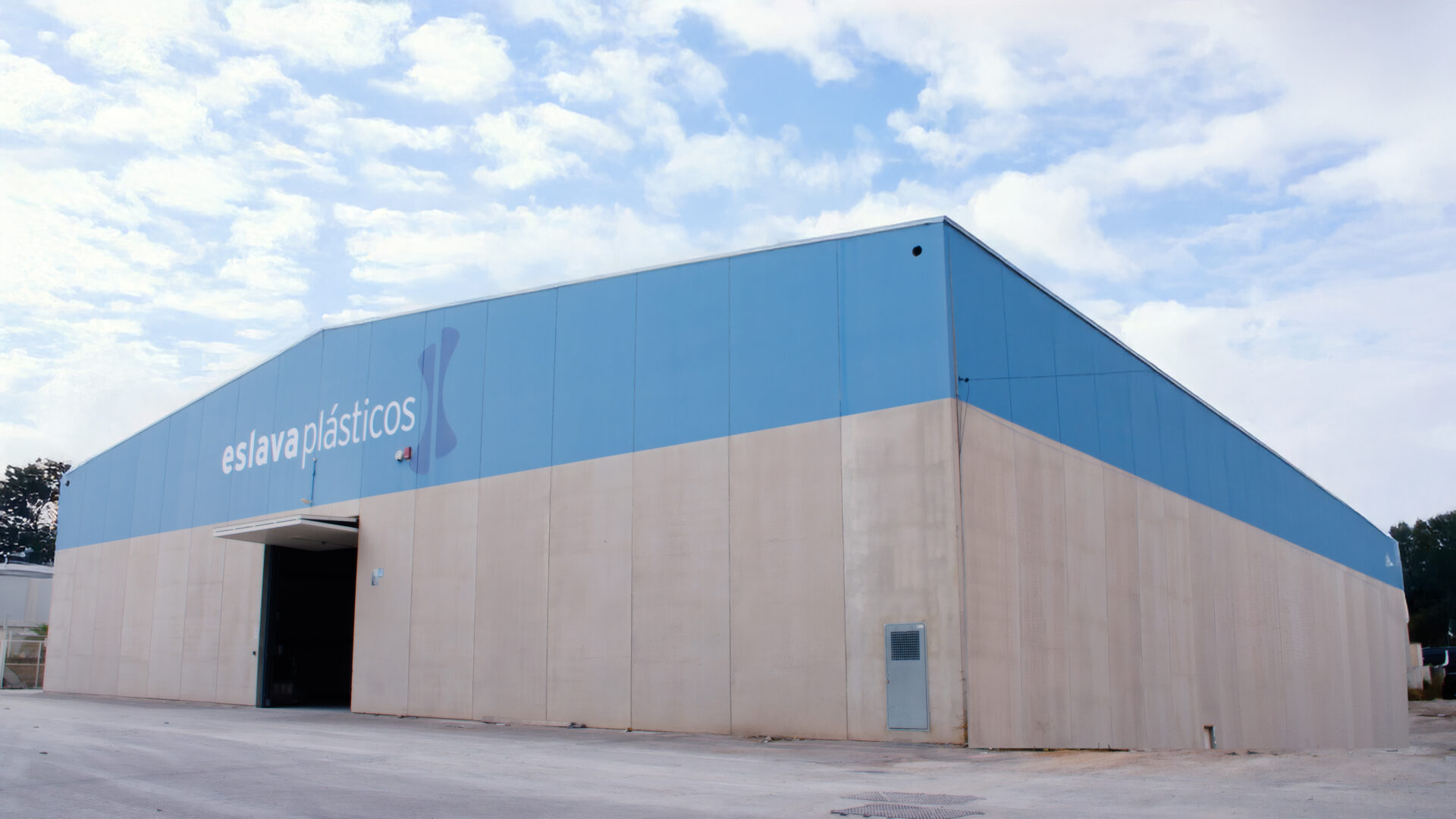
Eslava Plásticos, a family-owned company founded in 1974 and today one of Europe’s leading polyolefin recyclers, has taken a major step in improving the quality of its HDPE recycling. At its main site in Quart de Poblet, Valencia, the company processes plastic waste streams from packaging, automotive, agriculture and other sectors.
In cooperation with long-term partner Pellenc ST, Eslava has now implemented new AI-based sorting modules to increase the purity of its HDPE granules. While conventional near-infrared sorters perform well in most applications, certain contaminants remain difficult to separate. The new modules, combining NIR/VIS technology with deep learning, are able to recognize subtle differences in shape, size and texture.
Among the innovations is the CNS Brain, a low-energy module capable of separating items such as silicone cartridges or nasal sprays from PE streams. The AI Sort system uses computer vision to distinguish between food and non-food packaging and can remove unexpected contaminants such as flip-flops.
According to plant director Javier Ballesteros Magadán, the new technology has significantly improved product quality without additional labor costs, while also boosting throughput. By applying advanced AI sorting, Eslava positions its Valencia facility among the most advanced recycling plants in Europe and contributes to making the plastics economy more circular.