
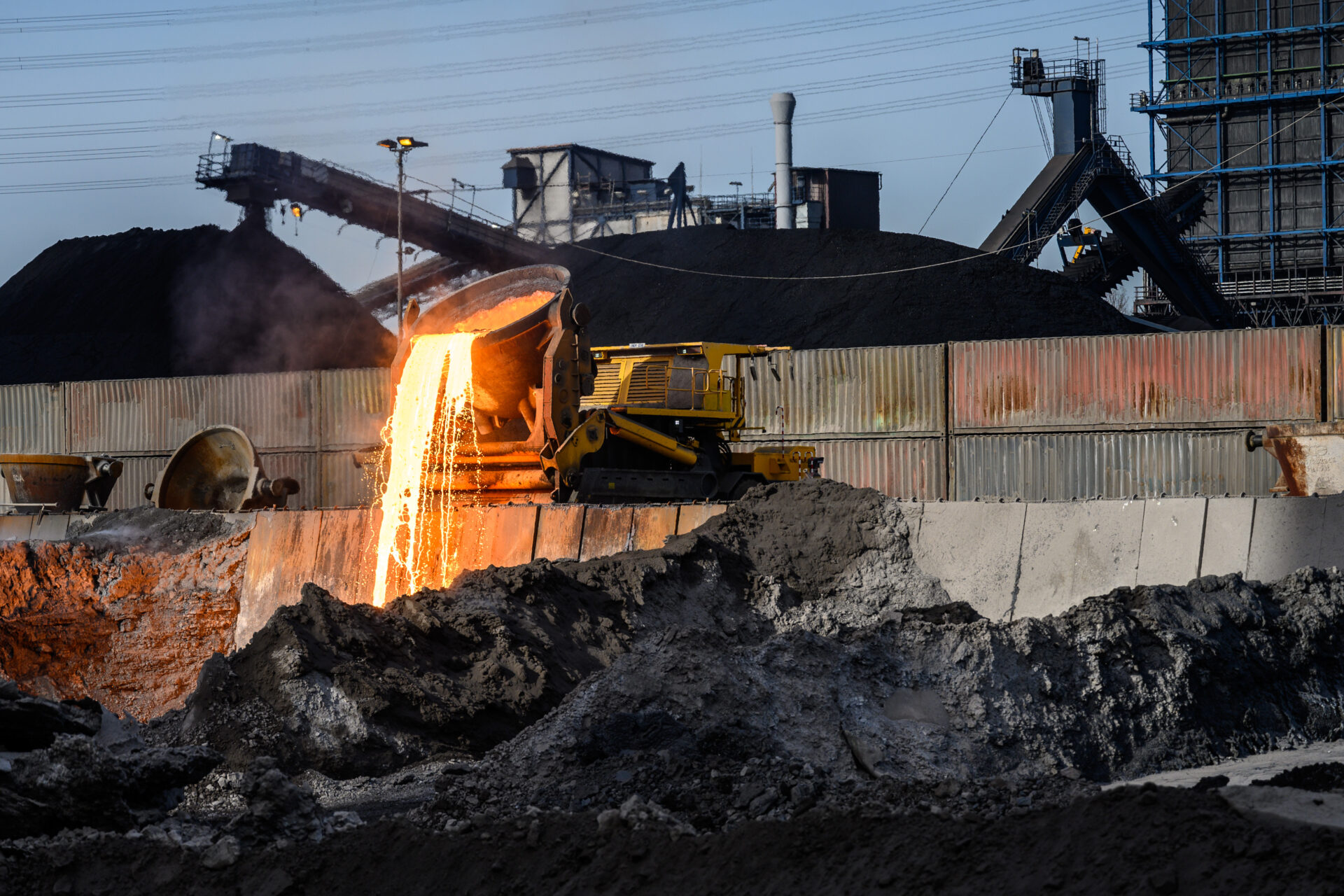
Of this, 35 million tons, or 92 percent, was used as building materials and fertilizers, as well as in other applications. This prevented the extraction of 40 million tons of natural rock and the emission of 11,4 million tons of CO2 across Europe. Between 2000 and 2024, this will amount to a total of 1.21 billion tons of natural rock and 319 million tons of CO2.
In 2024, 21.5 million tons of BFS were used in their entirety: 20.0 granulated blast furnace slag was used in cement and 1.5 as aggregate in concrete and road construction. Of the 16.5 million tons of SWS, 9.0 were used in road construction, 2.0 in building construction, 0.8 in fertilizers, 1.6 for metallurgical work, and 0.1 for other applications. That is a total of 13.5 million tons, or 82 percent.
Thomas Reiche, Chairman of EUROSLAG and Managing Director of FEhS Building Materials Institute: “The current figures show that even in a difficult global political and economic environment, ferrous slag makes an important contribution to resource conservation, climate protection, and the circular economy. EUROSLAG will continue to work at all levels to intensify practice-oriented research and adapt national and European regulations. This will ensure that the by-products of the steel industry can continue to be used extensively as valuable secondary raw materials in various industries in the future.”