
With more than three decades of experience in the design, construction and operation of e-waste recycling plants, weeeSwiss Technology focuses on process engineering, system integration and plant optimisation across the entire WEEE value chain. The company observes that regulatory developments, changing material compositions and increasing safety requirements are redefining plant design and operation.
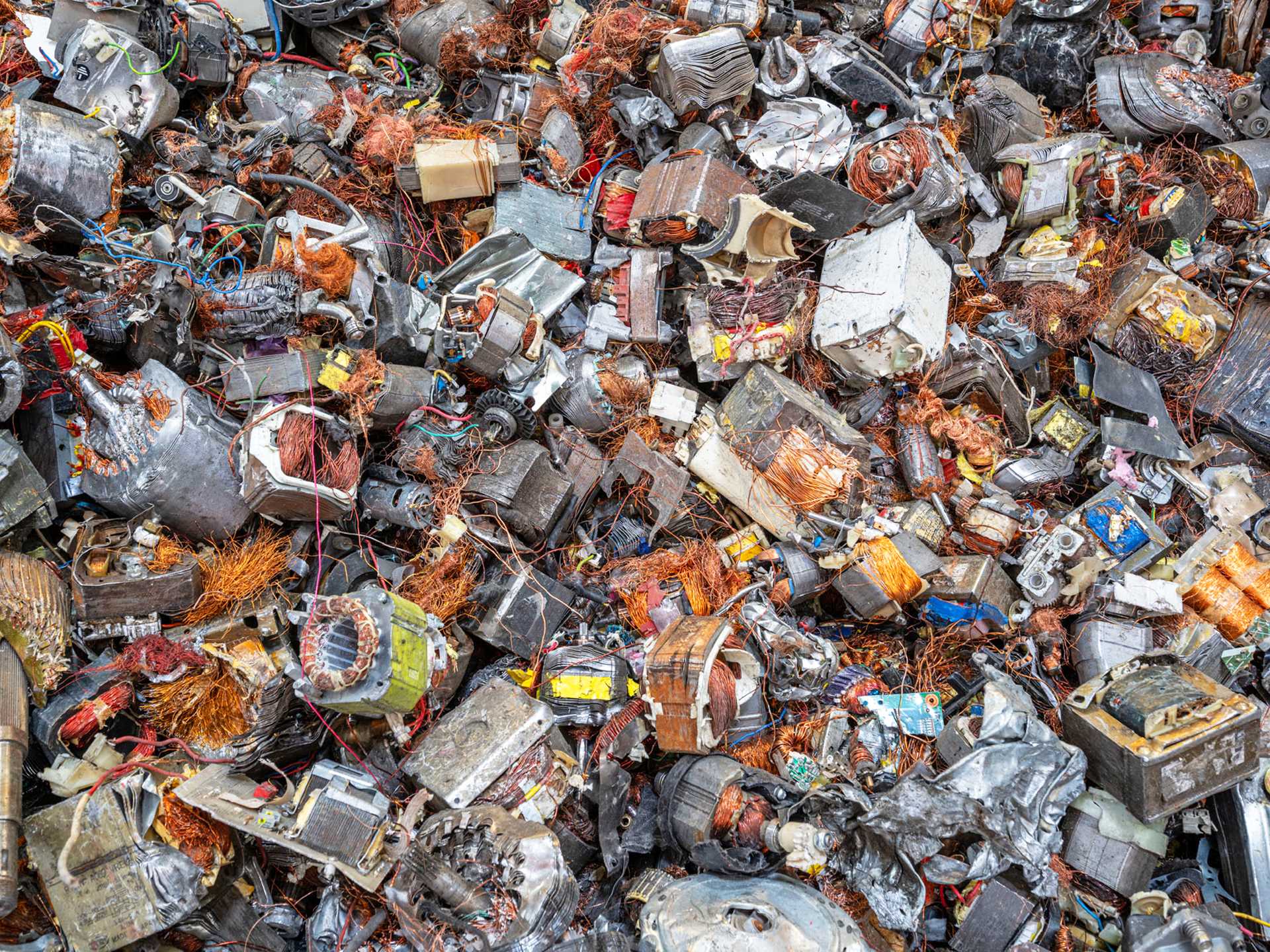
Rising e-waste volumes are accompanied by growing demand for recycled metals and plastics, increasing competition in the e-waste recycling market. At the same time, the material quality of incoming waste streams is becoming more heterogeneous. A growing share of short-lived, low-value electronic products such as chargers, small accessories and battery-powered toys complicates sorting processes and reduces the yield of valuable fractions.
Product design upstream has a direct impact on recycling efficiency. Simplified material compositions and improved accessibility of lithium-ion batteries can significantly reduce safety risks and improve recovery rates. Lithium-ion batteries remain a central challenge due to their fire and explosion potential during collection, storage and processing. As a result, preventive battery separation, adapted pre-shredding technologies and integrated fire detection and suppression systems are becoming standard elements of modern WEEE plants.
Regulatory frameworks are also influencing investment decisions, particularly in Central and Eastern Europe. More complex and costly cross-border transport of waste electrical and electronic equipment is accelerating the development of national recycling capacities and domestic processing infrastructure.
At the same time, high and volatile precious metal prices are increasing the economic relevance of advanced recovery technologies. New process designs enable the separation of precious metals from fine fractions that were previously difficult to recover, improving overall material efficiency and plant profitability.
Digitalisation is playing an increasing role in e-waste recycling operations. Automated mass balance calculations, real-time material analysis and AI-supported predictive maintenance are being integrated into plant control systems. Through the Stadler digital platform STADLERconnect, process data can be used to optimise throughput, material purity and energy consumption.