
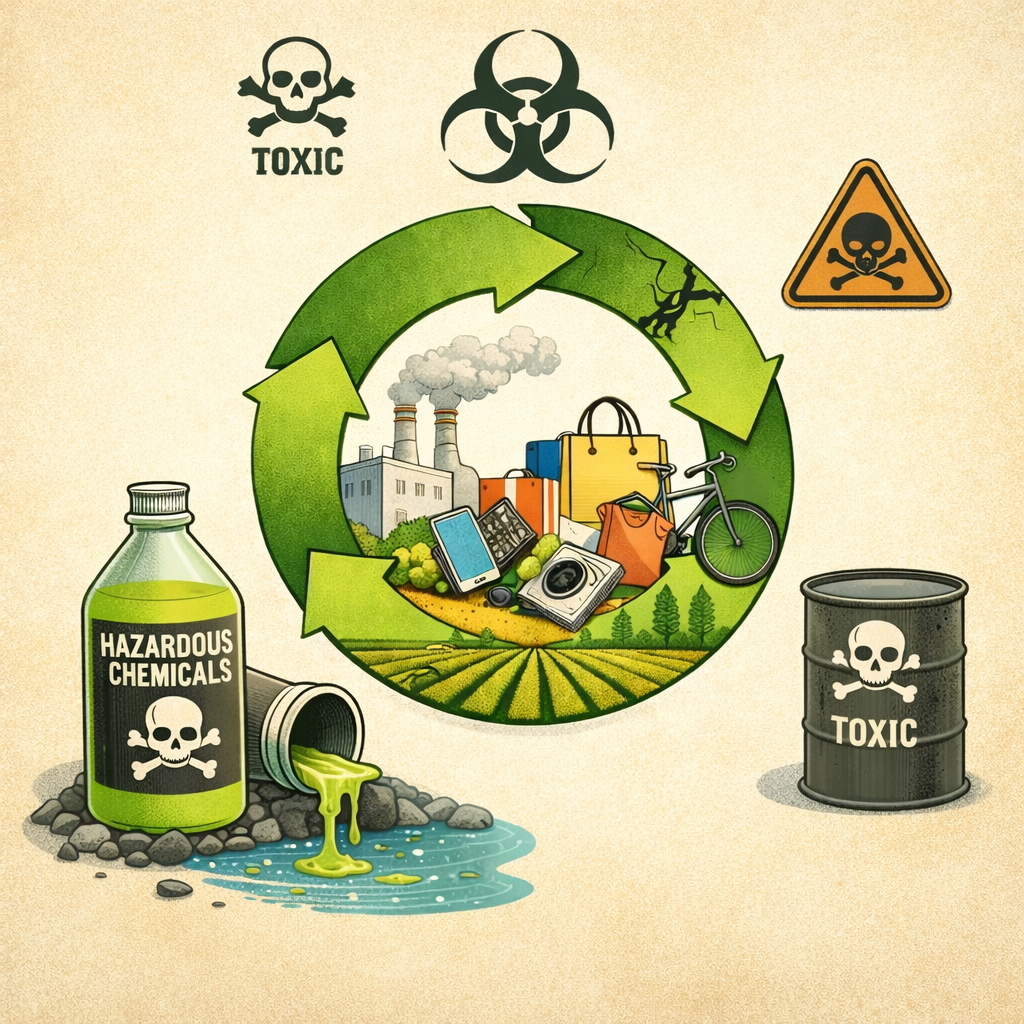
The publication, entitled Building a healthy circular economy: Integrating chemicals, products and waste under the Circular Economy Act, argues that insufficient consideration of chemicals regulation within the planned legislation would result in substantial health-related and economic costs.
The briefing highlights the need for improved transparency and traceability of chemicals throughout the value chain to address ongoing human exposure to hazardous substances and the contamination of secondary raw materials. It stresses that a sustainable circular economy cannot be achieved if higher recycling rates are pursued at the expense of consumer safety or environmental protection. According to the analysis, continued trade-offs between material recovery and the reduction of harmful chemical exposure would undermine both resource efficiency and public trust in recycled products.
With adoption of the Circular Economy Act expected in 2026, the organisation urges the European Commission to align circular economy objectives more closely with chemicals, product and waste legislation. The briefing concludes that integrating these policy areas is essential to support competitiveness while ensuring a safe, non-toxic circular economy that delivers tangible benefits for public health and economic resilience.