
The company processes complex and multilayer thermoformed PET trays from post-consumer waste and converts them into new food-grade trays with full traceability. The upgraded sorting infrastructure is designed to stabilize production processes and support the scaling of PET tray-to-tray recycling in Europe.
Recycling PET trays on an industrial scale remains a technical challenge within plastics recycling. Complex material structures, mixed input streams and strict quality requirements require highly stable processes. This is particularly the case when recycled material is intended for food-contact applications. Each year, more than five million tonnes of PET packaging enter the European market. While bottle-to-bottle recycling is already established, PET trays represent around a quarter of this volume and remain less widely recycled. Expanding PET tray-to-tray recycling is therefore considered an important step toward increasing circular material flows in PET packaging.
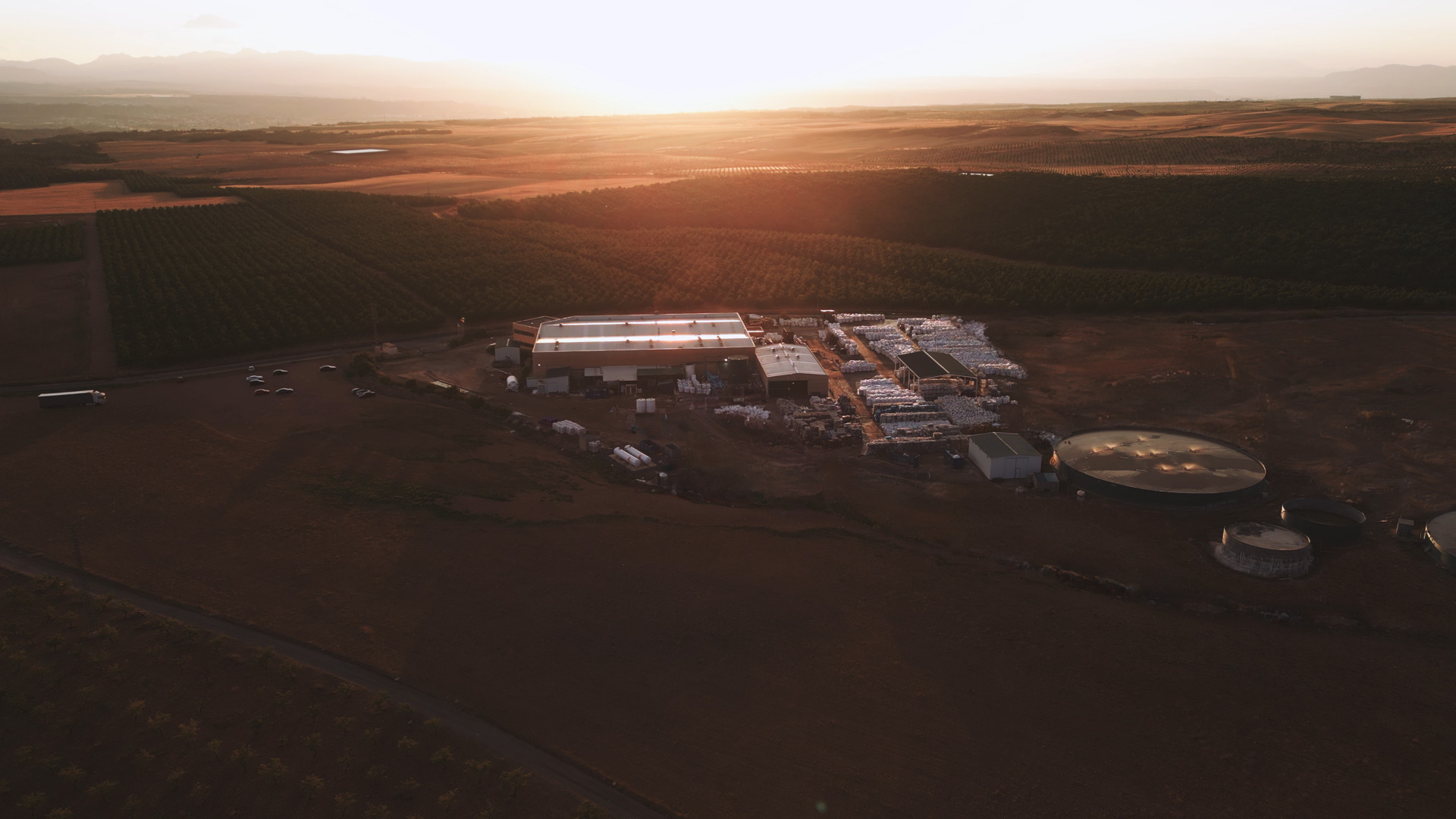
Sulayr focuses on a closed-loop approach that keeps transparent PET trays within the material cycle. The company processes transparent trays from post-consumer streams and converts them into new food-grade packaging products. This transparent-to-transparent recycling concept for complex, multilayer thermoformed trays forms the basis of Sulayr’s operations and ensures traceability and compliance with food-contact requirements.
The company currently supplies more than 100 customers across Europe. In 2025, Sulayr produced more than 50,000 tonnes of recycled PET, corresponding to a daily output of more than four million trays.
Variable input streams require stable processes
The input material processed by Sulayr mainly originates from post-consumer PET tray streams collected through Extended Producer Responsibility systems. Depending on origin and seasonal factors, the material composition can vary considerably and may contain different PET types, multilayer structures and other polymer fractions.
To maintain stable product quality under these conditions, Sulayr sought to further increase sorting precision and process reliability. The company therefore cooperated with Tomra Recycling to optimize the sorting concept for its processing line.
Process design and sorting technology
The cooperation focused on designing a process architecture that integrates sorting technology into the overall recycling process. Tomra supported Sulayr with technical consultation on equipment configuration, machine positioning and material pre-treatment to ensure stable operating conditions.
The installed system combines a dual-track Autosort unit with an Innosort Flake sorting system. The equipment is integrated into a processing line that includes material reception, optical sorting of trays, washing, grinding, flake purification and extrusion into tray-grade recycled PET.
At tray level, the dual-track Autosort unit performs two sorting stages within a single machine. In the first stage, clear and light-blue PET trays are positively sorted from the mixed input stream. In the second stage, remaining non-target materials are removed through negative sorting. This configuration allows contaminants to be separated while maintaining high throughput and recovery rates.
The technology is designed to detect both monolayer and multilayer PET trays within mixed material streams, enabling the processing of complex input fractions typical for post-consumer packaging waste.
Flake purification for food-grade applications
After shredding, the Innosort Flake system performs the final purification step. The system identifies flakes by polymer type, colour and transparency in a single sorting process. This enables separation even at small particle sizes.
The system configuration includes multiple purification stages and a recovery step that returns usable PET fractions from rejected streams to the process. This approach aims to increase material yield and reduce reject volumes.
According to the companies, the integrated setup achieves purity levels above 99.8 percent in continuous operation. The resulting recycled PET can be used directly in food-grade tray production and contributes to reducing the use of virgin PET in packaging applications.
Operational effects and market positioning
The upgraded sorting process has increased material recovery while reducing reject volumes. In addition to transparent PET trays, certain coloured tray fractions can also be processed depending on market demand and customer specifications.
More stable output quality enables Sulayr to meet stricter product specifications from converters and packaging manufacturers requiring certified recycled content for food-contact trays. The process stability also supports the company’s expansion into additional European markets.