
Integration into MDF production
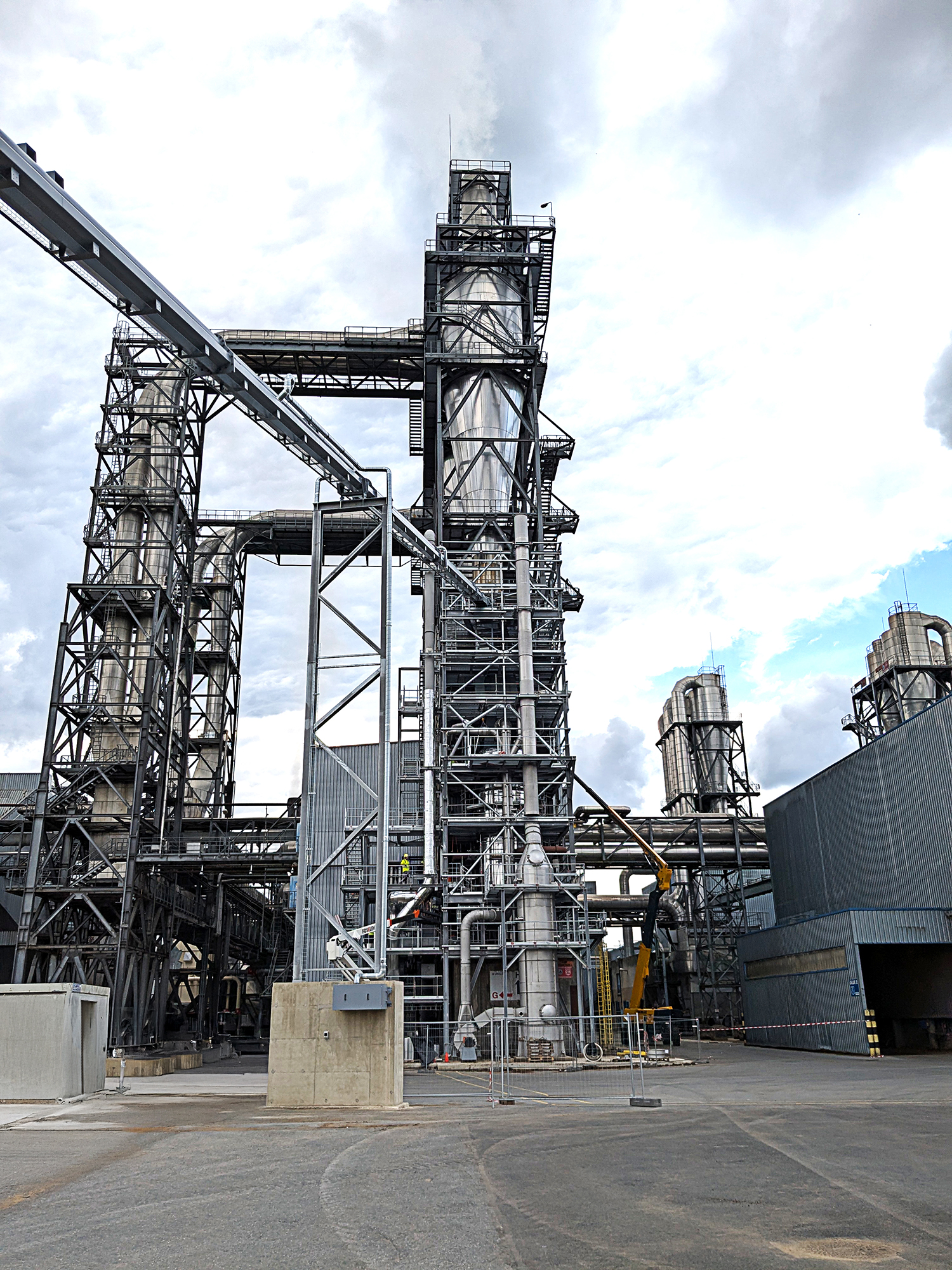
The system processes both internal production residues and post-consumer fiberboard waste. This includes manufacturing offcuts as well as materials recovered from bulky waste streams. According to the company, this makes the installation the first of its kind to combine both material streams in a single industrial process.
Unilin uses the recycled fibers in decorative MDF products. The integration takes place without changes to product quality or performance.
Steam-based fiber recovery
The Fiber2Fiber process relies on a steam-based method. In the FiberXtractor unit, fiberboard waste is treated in a closed autoclave under high pressure using steam only. A rapid pressure release causes the material structure to break apart. This separates the fibers while preserving their properties.
The recovered fibers are immediately reused in new board production. The process operates without additional chemicals and is designed for continuous industrial use.
Handling of post-consumer waste
Processing post-consumer material presents specific challenges due to contaminants such as sand, silicates and coatings. Dieffenbacher addresses this with a dedicated sifting technology. It separates unwanted fractions before the fibers re-enter production.
The system is designed for integration into existing plants. It allows manufacturers to scale recycling capacity according to production requirements.
Industrial recycling of fiberboard
With the Fiber2Fiber technology, fiberboard recycling becomes technically and economically viable at industrial scale. The process enables the recovery of fibers comparable to those from virgin wood while maintaining consistent output despite variable input quality.