
The enhanced microplastic analysis builds on RECOUP’s existing laboratory services, which include recyclability assessments, material identification and sorting performance evaluation. The updated methods enable more precise examination of microplastics, generating detailed data on polymer type, particle size, morphology and material behaviour.
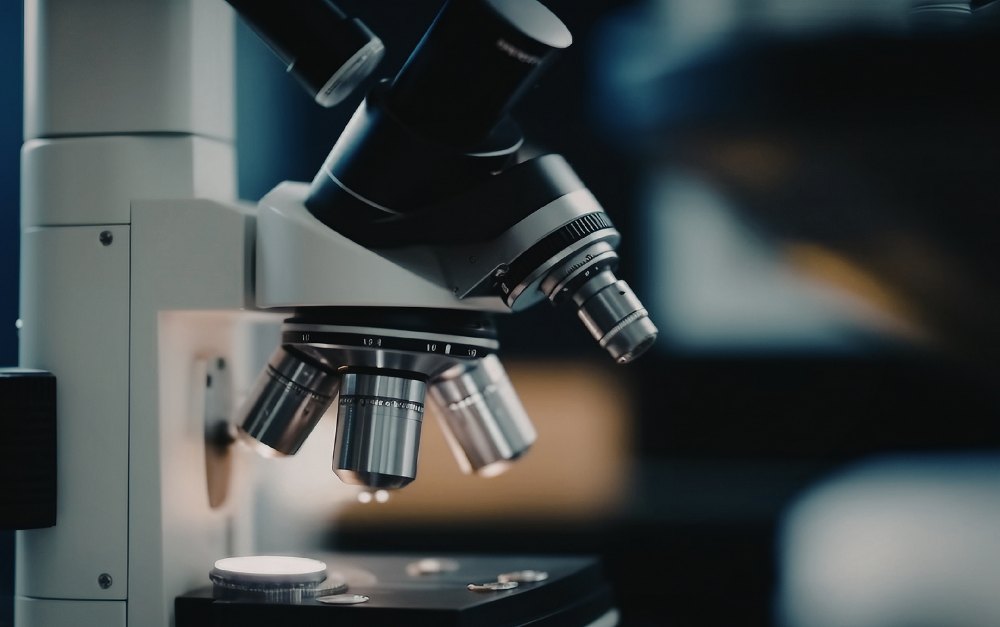
The laboratory can now isolate microplastics embedded in complex matrices such as soil samples. Through digestion of organic matter followed by density separation, particles that are not detectable through standard visual analysis can be recovered. The integration of Fourier-transform infrared spectroscopy (FTIR) microscopy enables identification of polymers in particles down to 200 micrometres. This approach supports more accurate characterisation of material composition and fragmentation patterns.
By combining microplastic analysis with established testing programmes, RECOUP can correlate product design parameters and recyclability performance with material behaviour in operational systems and environmental pathways. The expanded laboratory capability also provides a technical basis for research partnerships, policy development and industry initiatives addressing plastic fragmentation and environmental impact across the plastics value chain.