
Supercritical fluid decontamination
The current global crisis - marked by soaring oil prices, rising energy costs and ongoing supply chain disruptions - is placing significant pressure on the plastics and recycling sector.

The current global crisis - marked by soaring oil prices, rising energy costs and ongoing supply chain disruptions - is placing significant pressure on the plastics and recycling sector.

Nitrogen and phosphorus losses are among Europe's most pressing environmental problems.

Recycling is considered a major component of the circular economy concept. At the same time, how-ever, the actual recycling rates of many packaging streams fall short of political and social expecta-tions.

Recycling operations lose value when important decisions remain fragmented across intake, sorting, dis-mantling, inventory, resale and material recovery. AI-supported systems can help operators structure these decisions earlier, improve consistency and connect physical processing with digital workflows.

According to Eurostat, seasonally adjusted greenhouse gas emissions from the EU economy were estimated at 837 million tonnes of CO2 equivalents (CO2-eq) in the first quarter of 2026

The development of climate-neutral value chains in the steel sector no longer depends solely on adopting new production processes.
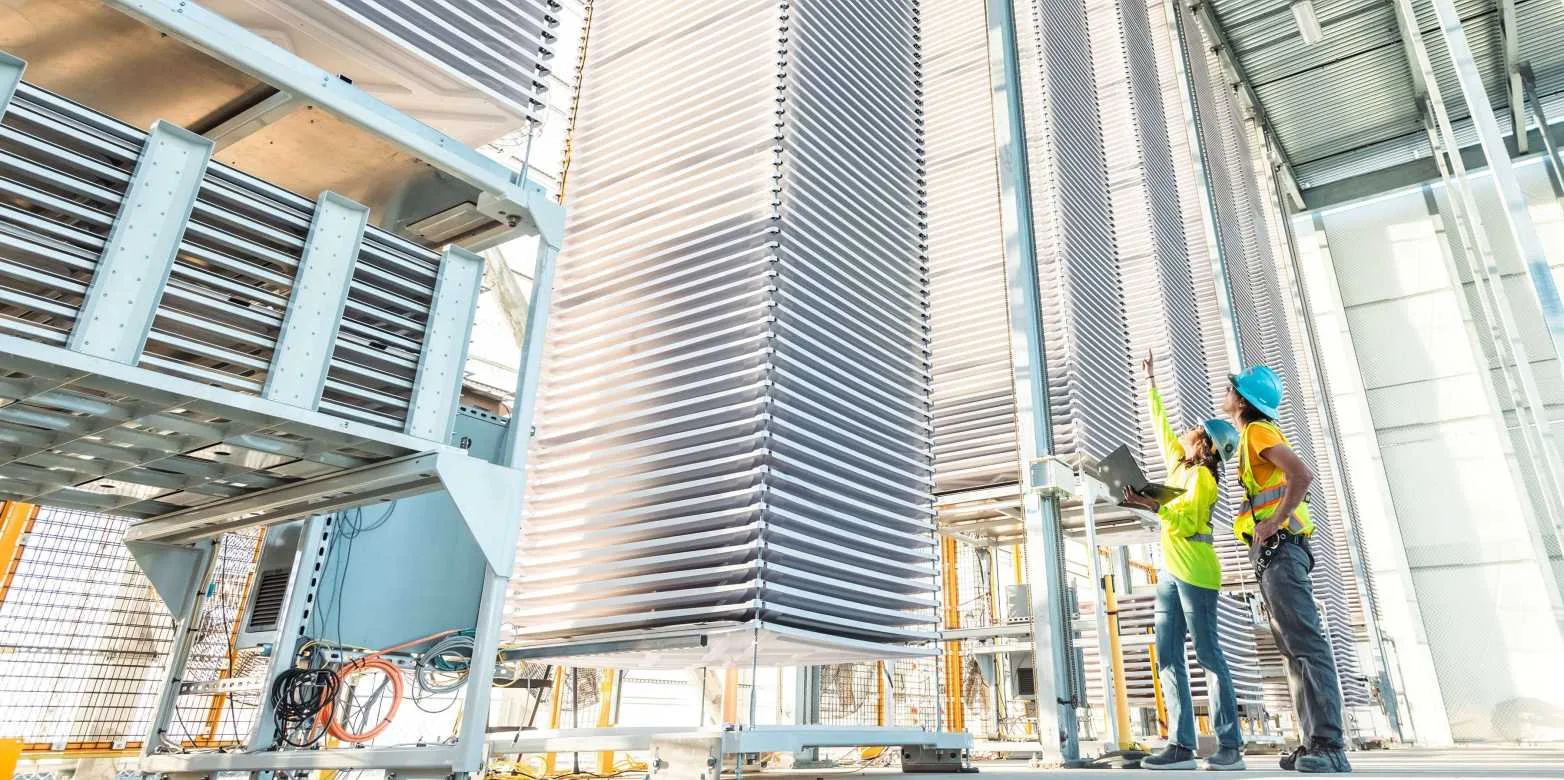
The production of cement ranks as one of the world's largest industrial sources of CO₂. A new study now shows how cement production could in future be used to remove CO₂ from the atmosphere - based on a technology utilising lime.

Austria has one of the most efficient waste management systems in Europe.

The transformation to a circular economy requires enormous investments in energy-efficient processes, sustainable production systems and new business models.

The directive for waste electrical and electronic equipment is getting on in years. For some time now, Brussels has been working on a revision.