

New research launched by Blancco Technology Group explores enterprise perspectives on e-waste and highlights both the e-waste and sustainability challenges and opportunities that the COVID-19 pandemic has created.
EEE
-
-
EEEMarketTechnologyTop News
Study: Brominated flame retardants not hindering recycling of WEEE plastics
The International Bromine Council, has released a comprehensive report regarding WEEE plastics flows and recycling efforts in Europe.
-
Most Member States of the European Union will not reach the 2019 WEEE collection targets.
-
Since 1991, lithium ion batteries (“LIBs”) have grown rapidly to become the energy storage of choice for portable electronic devices. Recently, LIBs have been considered the best technology for sustainable …
-
The third annual International E-Waste Day, held on 14th October, has been the most widely publicised yet.
-
E-waste is one of the biggest problems in terms of waste streams. There are various reasons for that. One perhaps not too often considered is the problem of IT equipment from companies and organisations
-
Philips Professional Display Solutions is offering a complimentary Android (P) upgrade across its range of HFL5014 and 6014 Google-certified MediaSuite hospitality TVs, helping hotels and hospitals (among others), to reduce their e-waste, by extending the lifetime of their existing products.
-
3stepIT has announced the launch of REstepIT, a service that helps businesses recover monetary value from unused or obsolete IT assets, and reduce electronic waste (e-waste).
-
The growing volume of regulation surrounding e-scrap was creating the unintended consequence of erecting barriers to recycling, claimed several contributors to the BIR E-Scrap Committee webinar on October 16.
-
New research released by technology lifecycle management provider 3stepIT has revealed that the global pandemic has rapidly accelerated the digital transformation of businesses across Europe.
-
The Institute of Scrap Recycling Industries (ISRI), National Waste & Recycling Association (NW&RA), and the Solid Waste Association of North America (SWANA) have developed a Guide for Developing Lithium Battery Management Practices at Materials Recovery Facilities.
Next events
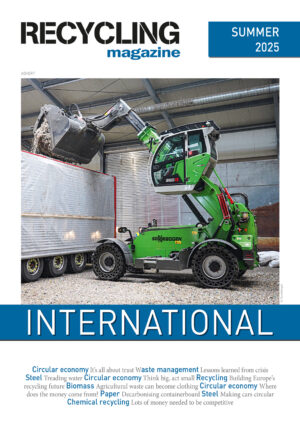
RECYCLING magazine provides independent, deeply investigated information about all aspects of secondary raw materials. The magazine has a long track record, it has a history of more than 70 years. more
RECYCLING magazine is a member of






© DETAIL Architecture GmbH
