

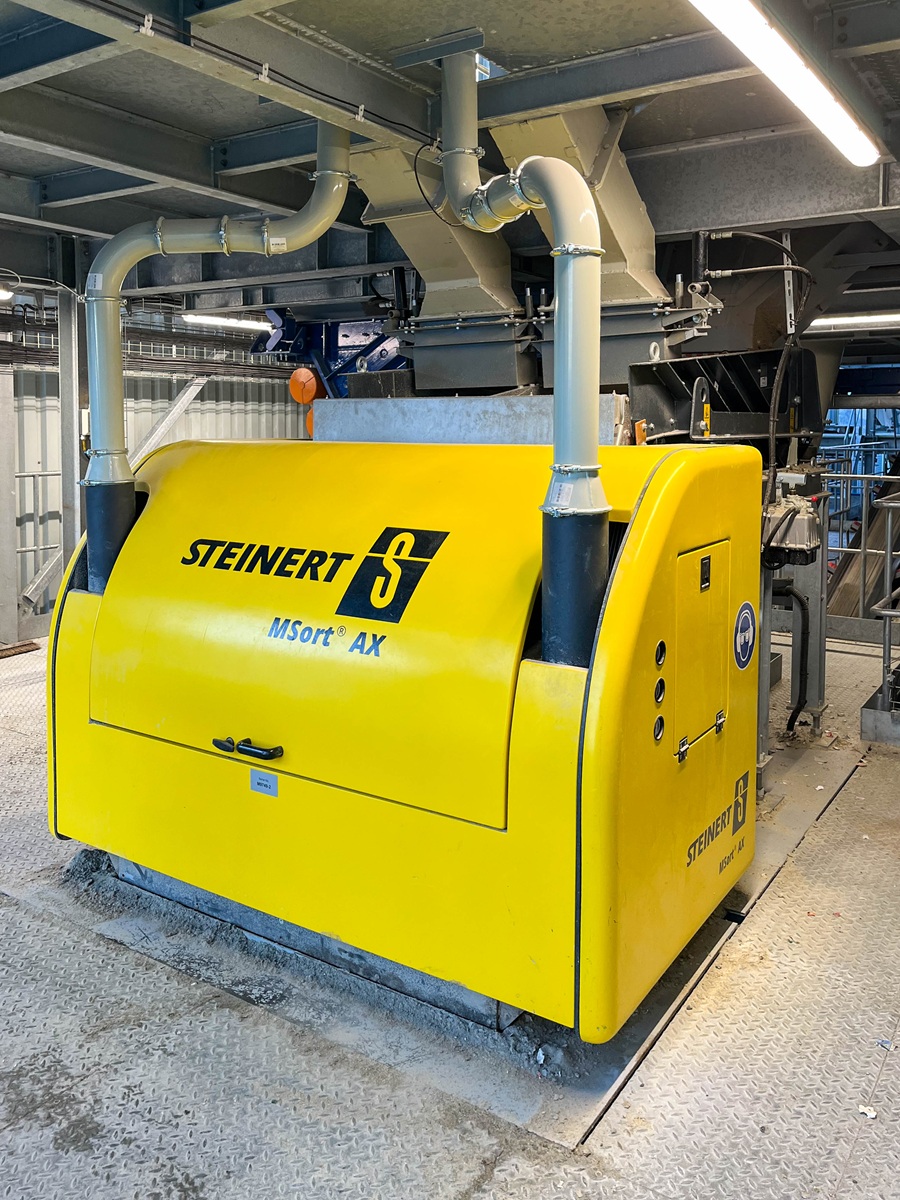
Upgrade for existing sorting systems
The upgrade extends the functionality of existing equipment without requiring extensive mechanical modifications. According to the company, the technology combines HR glass separation with colour sorting in one process step. This reduces the need for additional sorting stages and associated investment. The retrofit approach also shortens implementation times compared with full system replacement.
HR glass as a process impurity
In glass recycling, HR glass separation is necessary to maintain cullet quality for remelting. Heat-resistant glass differs from container glass in chemical composition and melting behaviour, which can disrupt furnace operations. Typical sources include ovenware, microwave glass, ceramic hobs and fireplace screens. These materials must be reliably removed from the packaging glass stream.
Sensor-based detection outside visible spectrum
The system uses sensor technology operating beyond the visible spectrum to distinguish HR glass and plastics from visually similar materials such as flint glass. The detection process is based on the analysis of spectral properties across different glass types. This enables HR glass separation using comparatively simple sensor configurations.
Operational results under real conditions
The upgraded technology has been in continuous operation for several months at a glass recycling facility. A sorting system in service for more than a decade was retrofitted with the new solution. Test results indicate a detection and removal rate of up to 99 per cent for heat-resistant glass, with installation completed within a few days.