On the way to the Circular Economy Act

The European Commission has announced the Circular Economy Act for the autumn. Through a series of publications, the law is getting clearer contours.

On the way to the Circular Economy Act
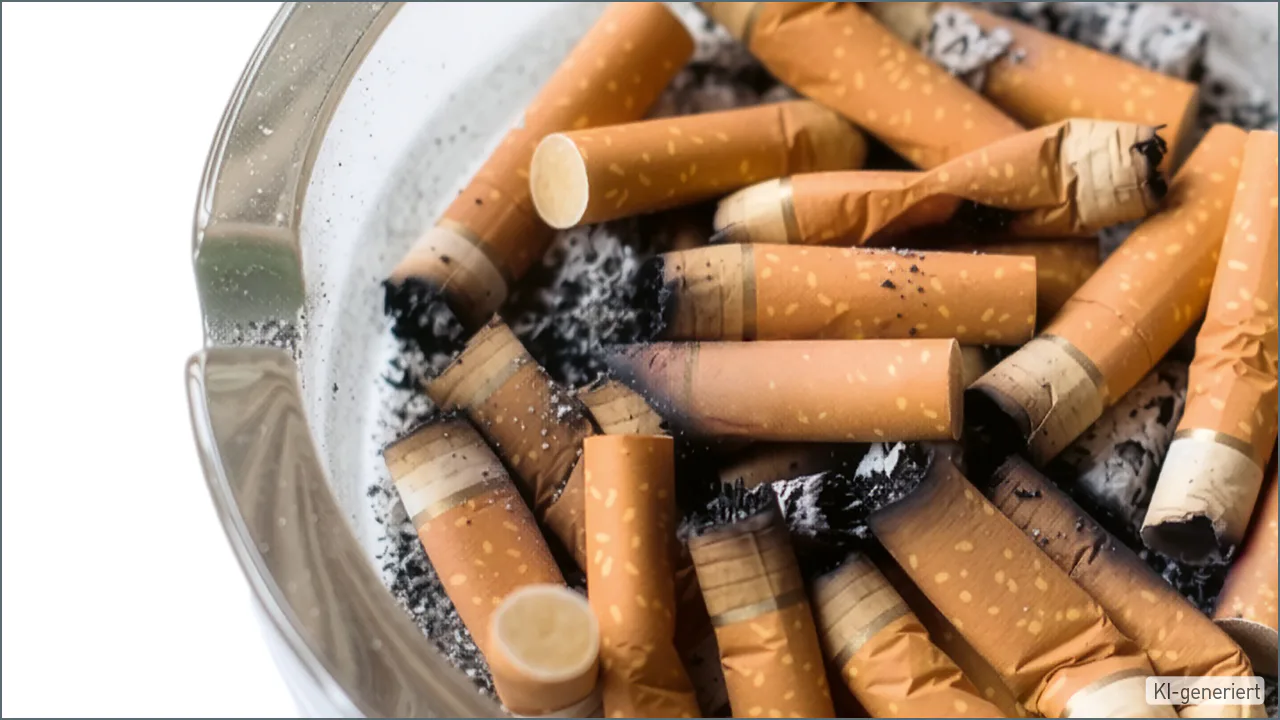
© Adobe Firefly

The Commission has presented no less than five reports. They are based on an analysis of selected projects from Horizon Europe and Horizon 2020. It is also noteworthy that the reports come directly from the Commission and not from the Joint Research Centre, as is usually the case.

According to the Commission, the main objective is to find common features of successful circular solutions that should play a role in the Circular Economy Act. Each report deals with a so-called area of intervention: public procurement, recycling of electrical and electronic equipment (WEEE) with a focus on critical raw materials, the inclusion of recycled and bio-based content, transnational or regional initiatives, and the improvement of extended producer responsibility. According to the Commission, these areas form the basis for a functioning, resilient market for secondary raw materials and bio-based alternatives.

Extended Producer Responsibility:

Patchwork slows down Europe's circular economy

Technical solutions for a more efficient circular economy are already well developed in many areas. However, regulatory fragmentation and a lack of economic incentives make their widespread application difficult.

Public procurement

Europe's purchasing power remains largely untapped

Technical solutions for circular public procurement are widely available in Europe. However, their systematic application falls short of the possibilities.

Recycling of electrical and electronic equipment

Europe's Urban Mining Fails to Scale

Waste electrical and electronic equipment has considerable potential for the recovery of critical raw materials. However, there are still considerable gaps between technical feasibility and industrial implementation.

Recycled and bio-based content

Regulation lags behind technology
Technically, there are many prerequisites for a European circular economy. Regulation, demand and infrastructure are slowing down the plan to scale these processes.

Transnational and regional initiatives

Europe's circular economy is stuck in pilot mode

Many circular economy technologies and business models have passed the pilot phase, but their scaling often fails due to regulatory fragmentation, weak markets for secondary raw materials and a lack of data interoperability.

Michael Brunn

Michael Brunn

Editor-in-Chief

My article overview can only be accessed if you are logged in.

RECYCLING magazine provides independent, deeply investigated information about all aspects of secondary raw materials.
The magazine has a long track record, it has a history of more than 80 years. The following terms and conditions apply to the use of this website: Terms and Conditions, Privacy Policy and Cookie Policy.