
Michael Brunn
Chefredakteur

Chefredakteur

In many chemical recycling processes, it is relatively difficult to determine the recycled content of new products. As a rule, this can only be done by means of mass balances. A new report commissioned by Zero Waste Europe explains the conditions under which mechanical recycling is not disadvantaged.

Extended producer responsibility has played an important role in environmental policy for about 30 years. But is it always the best instrument? This question is addressed in a report by NHO, Norsk Industri and Sjomat Norge.

The international community is negotiating an agreement to get the global plastic problem under control. The UNEP report "Turning off the Tap: How the world can end plastic pollution and create a circular economy", which was published in the run-up to the next consultation meeting in Paris at the end of May, is intended to contribute to finding a solution.
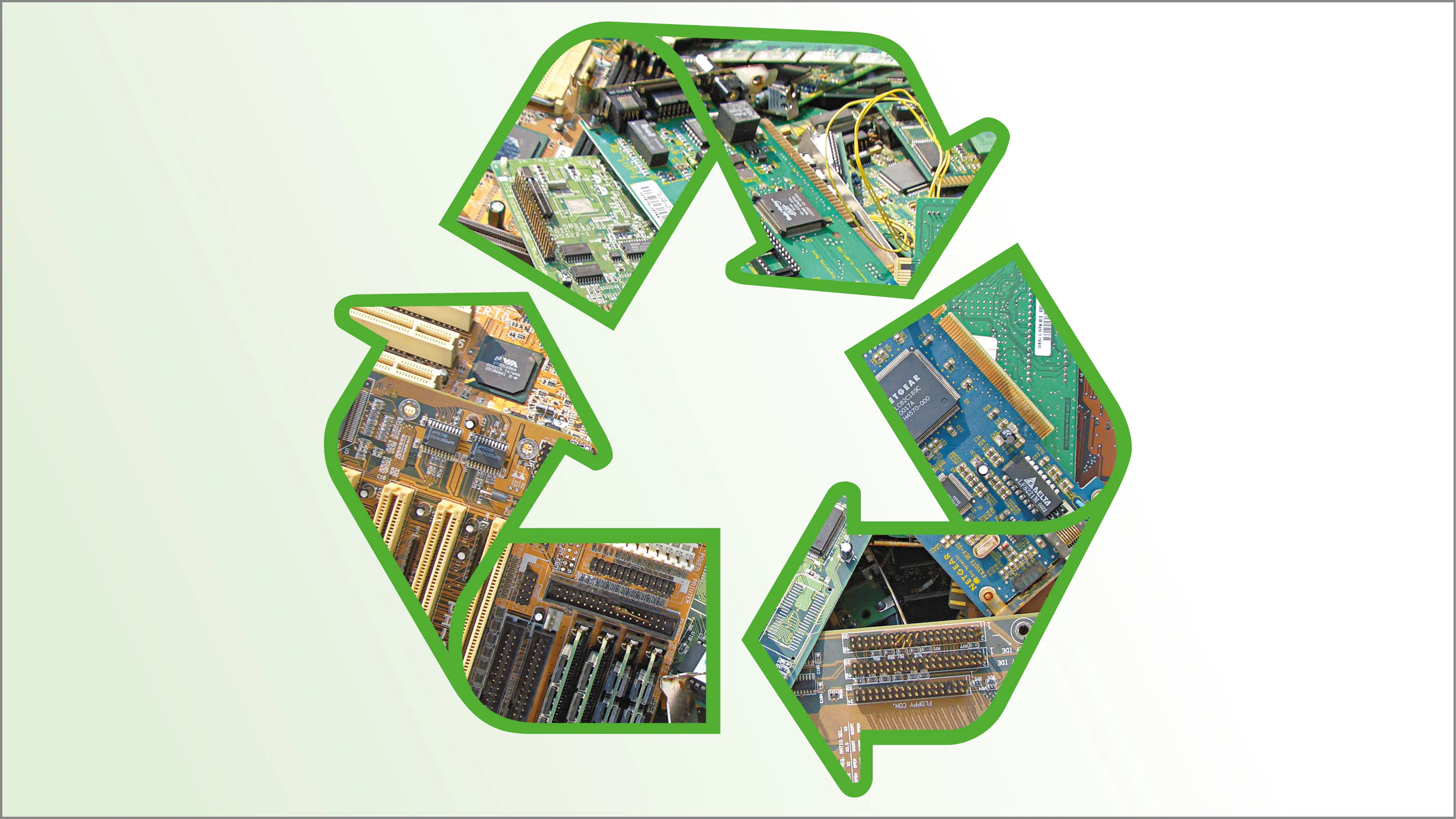
More than 330 participants from over 40 countries met in Vienna at the beginning of May at the "Going Green - Care Innovation" to discuss the current status of e-waste recycling.

The environmental assessment reports are intended to help Member States achieve better environmental results. The current report examines the results for Germany since the last report in 2012. The points of criticism are not surprising.

At the end of May, the Bureau of International Recycling (BIR) had invited to the conference in Amsterdam. This year, with the 75th anniversary and the election of a new president, there were many pleasing reasons to celebrate. This does little to change the fact that the overall situation of the industry and its individual divisions is less positive.

Andritz has installed a new spunlace pilot line at its centre of competence in Montbonnot, France. It allows customers and partners to conduct trials for producing nonwovens from recycled and/or natural fibres such as hemp, flax, and cotton.
Unsustainable consumption in Europe and beyond is one of the main drivers of climate change, biodiversity loss and pollution.

The Ellipse project will address the valorization of these two heterogeneous waste streams generated in significant amounts in Europe to produce cost-efficient polyhydroxyalkanoates (PHAs).

FEAD pledges the commitment of the waste management industry to enhancing recycling targets, after a Commission report indicated that a significant number of EU Member States fall behind in achieving them.