
Michael Brunn
Chefredakteur

Chefredakteur

The global polyethylene terephthalate (PET) market has entered 2026 with soft demand, volatile freight and aggressive import competition defining sentiment across most regions. • Seasonality, freight volatility and speculative activity override fundamentals • Producers in multiple regions struggle to lift run rates meaningfully • Trade flows keep shifting as buyers chase the cheapest origin Middle
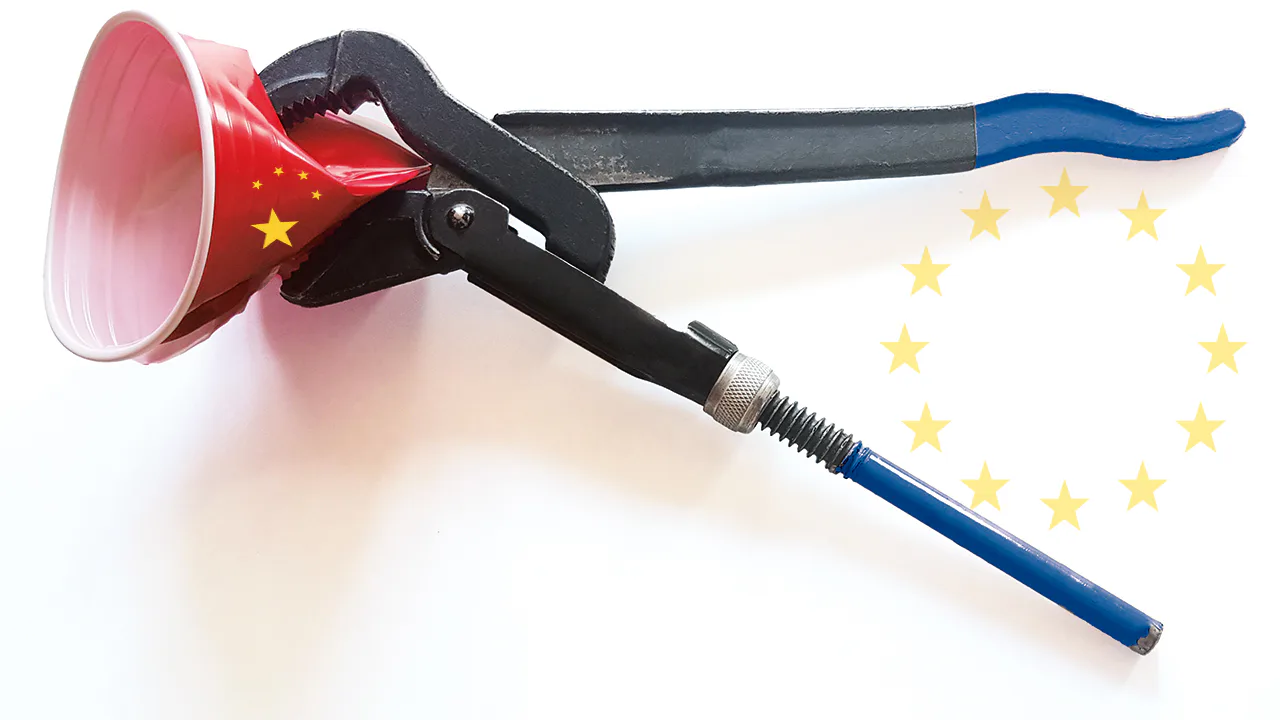
The EU is consistently aligning its plastics industry with recyclability and creating binding standards with new requirements on recyclability and the use of recyclates that have a global impact. For China, as one of the largest exporters to the EU, this means that products and packaging will have to be competitive in the future not only in terms of price, but above all with regard to regulation. In their report "Impact of EU recycling regulations on China's key packaging-intensive export sectors", ICIS and CPCIF show how Europe's regulatory framework is evolving into a global benchmark that is reshaping production and material decision-making in Chinese companies.

Plastics are indispensable materials, but they can cause significant environmental problems if not disposed of in the proper manner. With the social and political pressure to reduce plastic waste, the importance of clear definitions of terms is growing, because what is considered "plastic" can vary, depending on the context. In the UK, this fact has led to different regulations: the Single Use Plastic Ban (SUPB) aims to prevent littering, the Plastic Packaging Tax (PPT) is intended to encourage circularity. Both are based on the REACH regulations, but differ in their treatment of natural polymers. This discrepancy has created uncertainty, especially for manufacturers of bio-based and biodegradable materials. The article "Plastic definitions in UK regulation" by BB-REG-NET examines how such definitional differences influence the development of a circular economy and points out ways to achieve coherent, innovation-friendly regulation.

The study "Unpacking policy coherence: a network analysis of the EU policy mix for the circular economy" conducted by researchers from Belgium and the Netherlands examines the coherence of EU policies regarding the circular economy from the perspective of economic actors. The study was published in the journal "Sustainable Production and Consumption".

Despite ambitious climate targets, the market penetration of bio-based plastics in the UK remains low. The existing levy and tax systems have so far created hardly any incentives to make biogenic alternatives competitive with fossil plastics. On the contrary, uncoordinated regulations are creating new market distortions that slow down rather than promote sustainable innovation. The report "Fixing fossil market failures: the impact of UK taxes on bio-based plastics" by BB-REG-NET explains what reforms would be needed to actually accelerate the transformation to a circular economy.

In recent years, the circular economy has developed into a central model of sustainable economic and environmental policy. Despite all the progress, however, the active participation of consumers remains limited. The study "Bringing the consumer into the picture - normalising the circular economy", conducted by WPI Economics on behalf of SUEZ UK, examines why existing circular economy approaches have so far only had limited effectiveness from the consumer's point of view and which conditions must be met to normalise circular practices in everyday life.
Europe is facing ecological and social crises that are pushing the linear economic model to its limits. However, the circular economy concept offers solutions: it reduces emissions and resource consumption, strengthens resilience and creates social opportunities. Cities play a key role in this endeavour, as they bundle resource flows and control decisive levers through public procurement and infrastructure. In order to exploit their potential, cities need clear framework conditions and political support. The article "Policy Brief on Accelerating the Circular Economy for a Prosperous and Competitive Europe" presents the priorities of the Circular Cities Frontrunner Group and derives recommendations for both policy and practice.
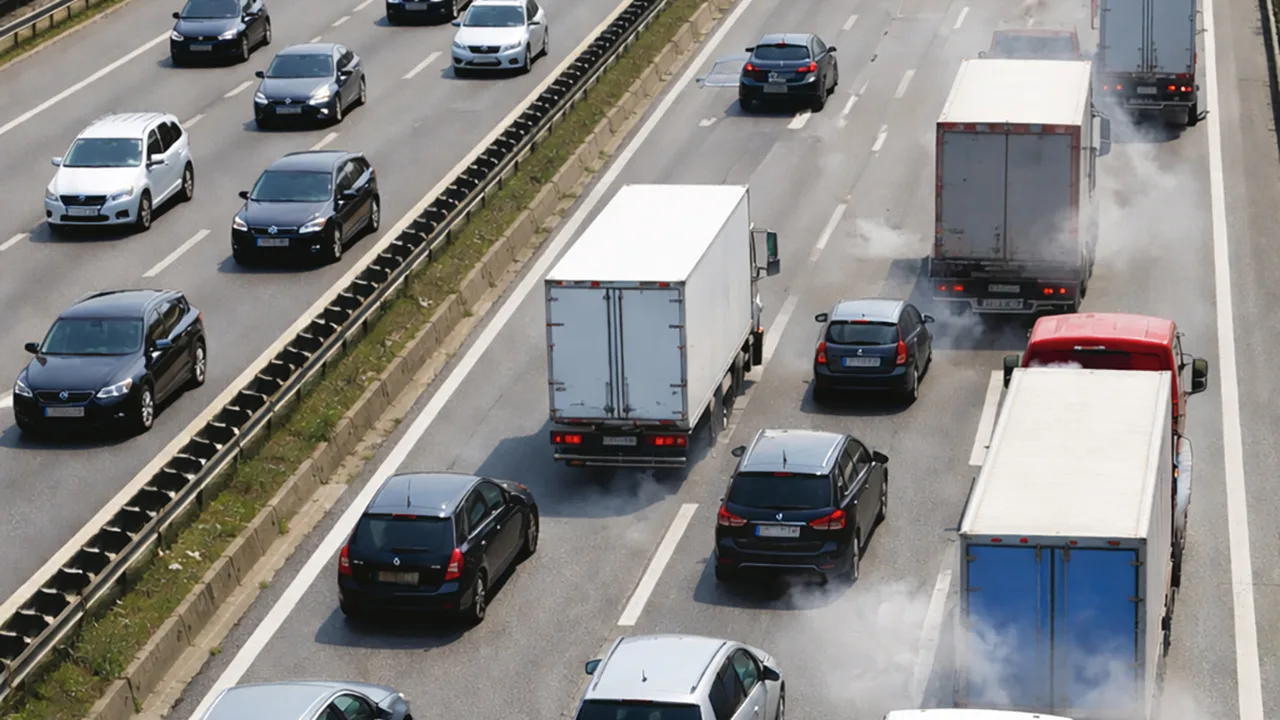
Assessing the effectiveness of climate policy measures is becoming increasingly difficult as countries continuously expand their climate policies and increasingly complex policy mixes emerge. Today, individual instruments hardly seem isolated, but embedded in dense constellations of parallel measures. In the study "Effective climate policies for 'all seasons': novel evidence from 40 countries", scientists from Spain, Switzerland, Germany and Norway develop a methodological approach that can nevertheless be used to identify robust effects of individual climate policies. On the basis of a comparative analysis of several countries, sectors and policy areas, those measures are determined that reliably contribute to the reduction of CO₂ emissions, regardless of the specific policy mix. The study was published in "Climate Policy".
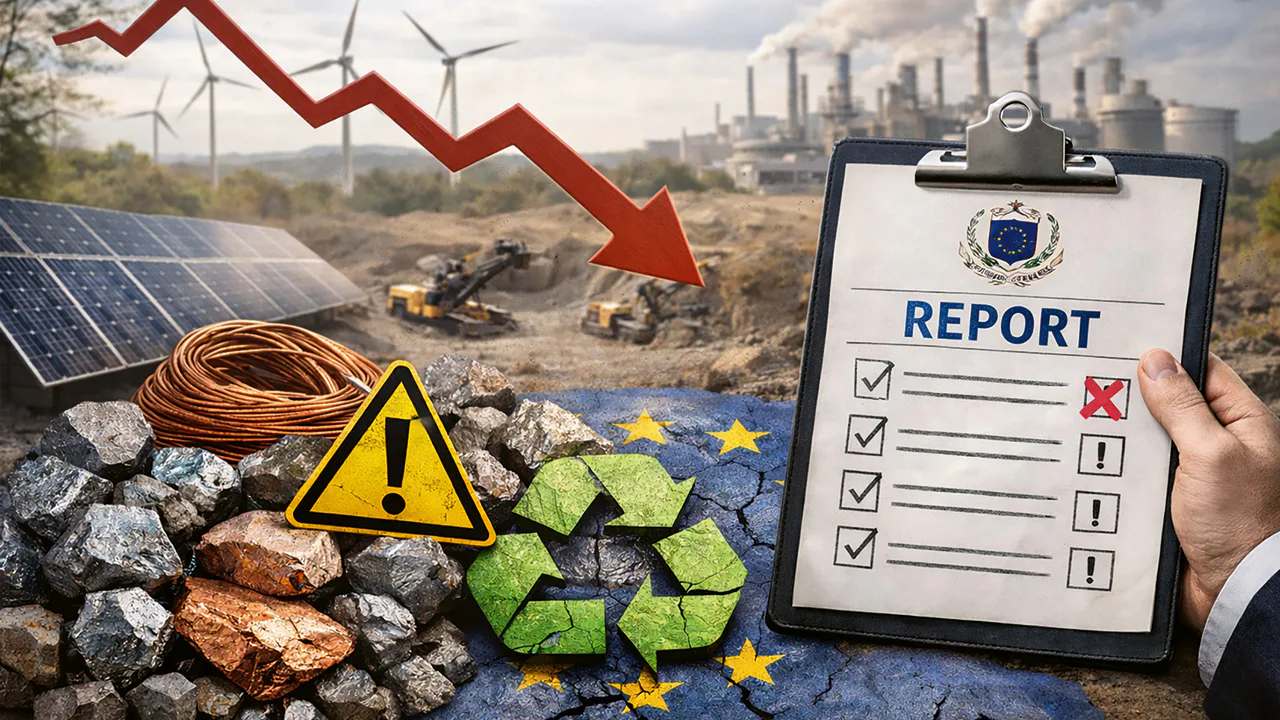
Renewable energies are a key factor in the EU's ambitious climate targets. The technologies required for this require a number of critical raw materials. Currently, the EU is largely dependent on imports. The Union has taken a number of measures to improve the security of raw material supply. In its special report "Critical raw materials for the energy transition: no solid strategy in place", the European Court of Auditors has examined how successful these measures have been so far. The title of the report already says everything about the result.

The figures are based on quarterly estimates of greenhouse gas emissions by economic activity published by Eurostat. These data complement quarterly macroeconomic indicators such as GDP and employment and provide a basis for assessing the relationship between economic activity and emissions trends.