
Michael Brunn
Chefredakteur

Chefredakteur

European energy and climate policy is undergoing a decisive upheaval. In view of geopolitical crises, the need to reduce greenhouse gases and the growing demand for energy sovereignty, the European Union formulated an ambitious target in 2022 with the RePowerEU programme: by 2030, 35 billion cubic metres of biomethane are to be produced annually to partially replace fossil natural gas. Biogas is considered a beacon of hope in this context. But a closer look, such as in the report "Biogas policies in the EU - Levelling up or locking in?" by DUH, Changing Markets Foundation, EIA, EEB, Methane Matters and Zero Waste Europe, shows that this development is ambivalent and can contradict the basic principles of a true circular economy.
The European Union's 8th Environment Action Programme is the first legally binding, long-term framework that systematically brings together environmental, climate and resource protection and is backed up with concrete targets for 2030. The annual monitoring of the EEA makes it visible whether Europe is actually moving from a predominantly linear economy to a resource-efficient, regenerative economy.
Since 2005, the European Emissions Trading Scheme (EU ETS) has been the central instrument of European climate policy. It should ensure that greenhouse gas emissions are reduced where this is most cost-effective. After two decades of experience, it can be said that the system has achieved measurable emission reductions in most of the sectors involved. At the same time, however, it becomes clear that emissions trading alone is not enough to drive the comprehensive transformation of industry towards a climate-neutral and circular economy. The article "Effectiveness of EU Emissions Trading: What drives emission developments?" by Oeko-Institut and INFRAS on behalf of the German Environment Agency discusses what lessons can be learned from the development of the EU ETS in order to shape the transition from linear emission avoidance to a true circular economy.

In the European Union, around 6.9 million tons of textile waste are generated every year. Only a small part is collected separately and reused or recycled, but the majority is landfilled or incinerated. The EU Strategy for Sustainable and Circular Textiles has created a policy framework that will make separate collection mandatory from 2025. However, a prerequisite for effective measures is a precise understanding of the quantities, qualities and recycling routes of post-consumer textiles. While studies are already available in Western and Northern Europe, there is a lack of reliable data from Southern and Eastern Europe. The Joint Research Centre's study "Fate and Composition of Textile Waste from Italy, the Czech Republic and Romania" closes this gap and analyses textile waste from Italy, the Czech Republic and Romania.
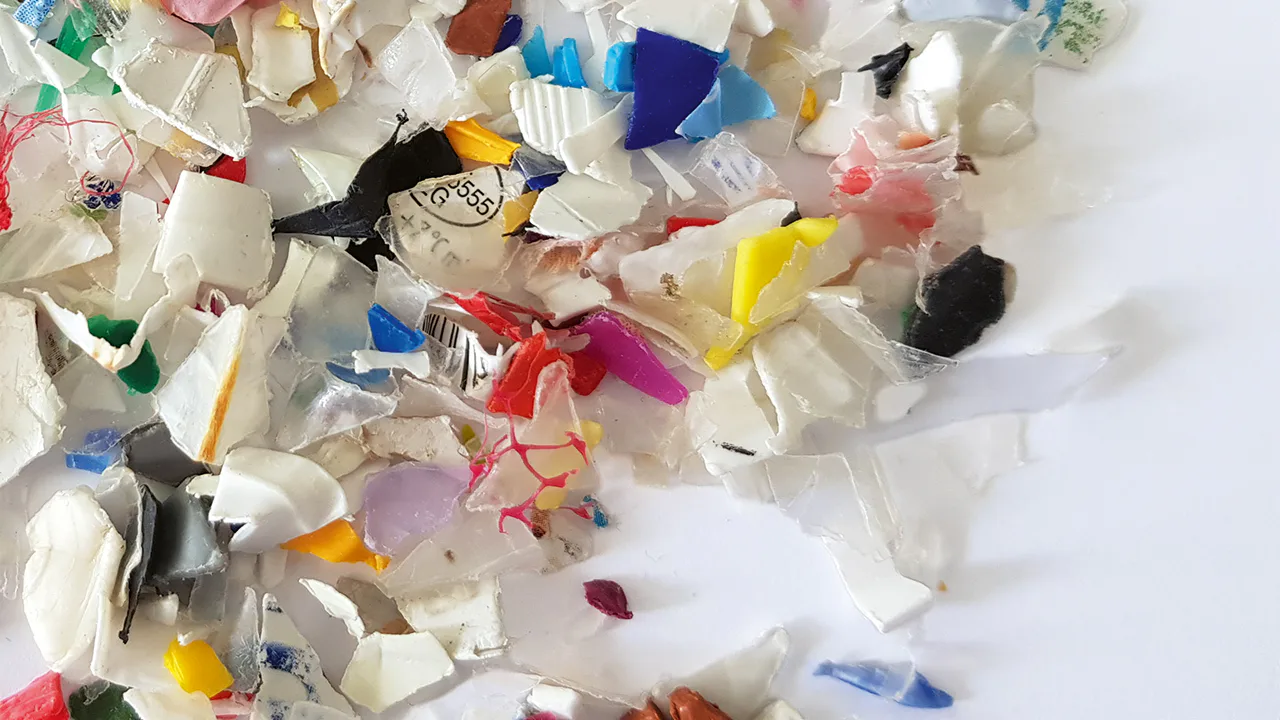
The plastics industry has been complaining for some time, and now the European Commission has reacted. Immediately before Christmas, an action plan was presented to help the badly battered industry. The only question is how short-term the announced short-term measures actually are.

The green economy has become one of the world's most dynamic growth markets. Despite geopolitical uncertainties and technological challenges, its annual market volume exceeded $5 trillion in 2024 and is expected to reach over $7 trillion by 2030. The report "Already a Multi-Trillion-Dollar Market: CEO Guide to growth in the green Economy" by the World Economic Forum in cooperation with the Boston Consulting Group shows that transformation is no longer a vision of the future, but a strategic competitive factor for business and politics.
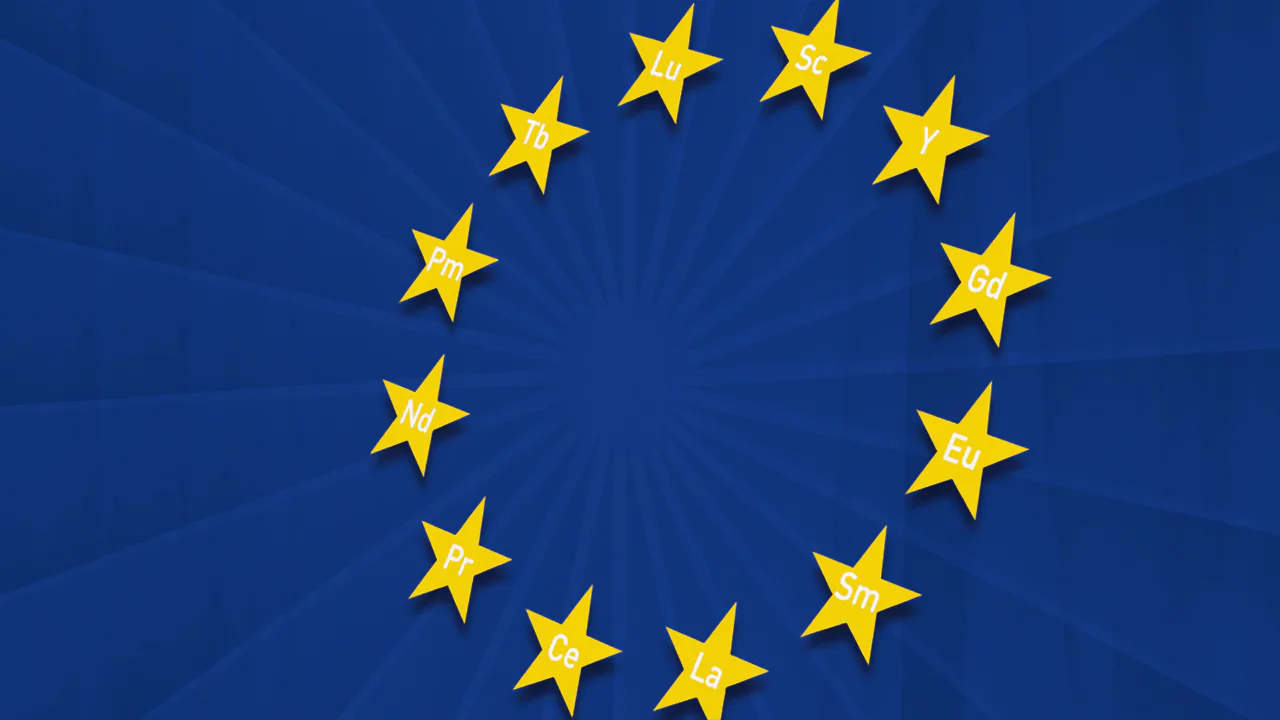
The European Commission's "RESourceEU" action plan aims to significantly reduce Europe's critical dependence on raw materials and strengthen security of supply along central value chains. Building on the Critical Raw Materials Act, the Commission is relying on a combined approach of accelerated project development, coordinated funding, strategic partnerships and a European infrastructure for market data, stockpiling and joint procurement.

In a policy brief, the Joint Research Centre shows that Product-as-a-Service (PaaS) is becoming a key approach in European industry to accelerate the transition to a true circular economy.
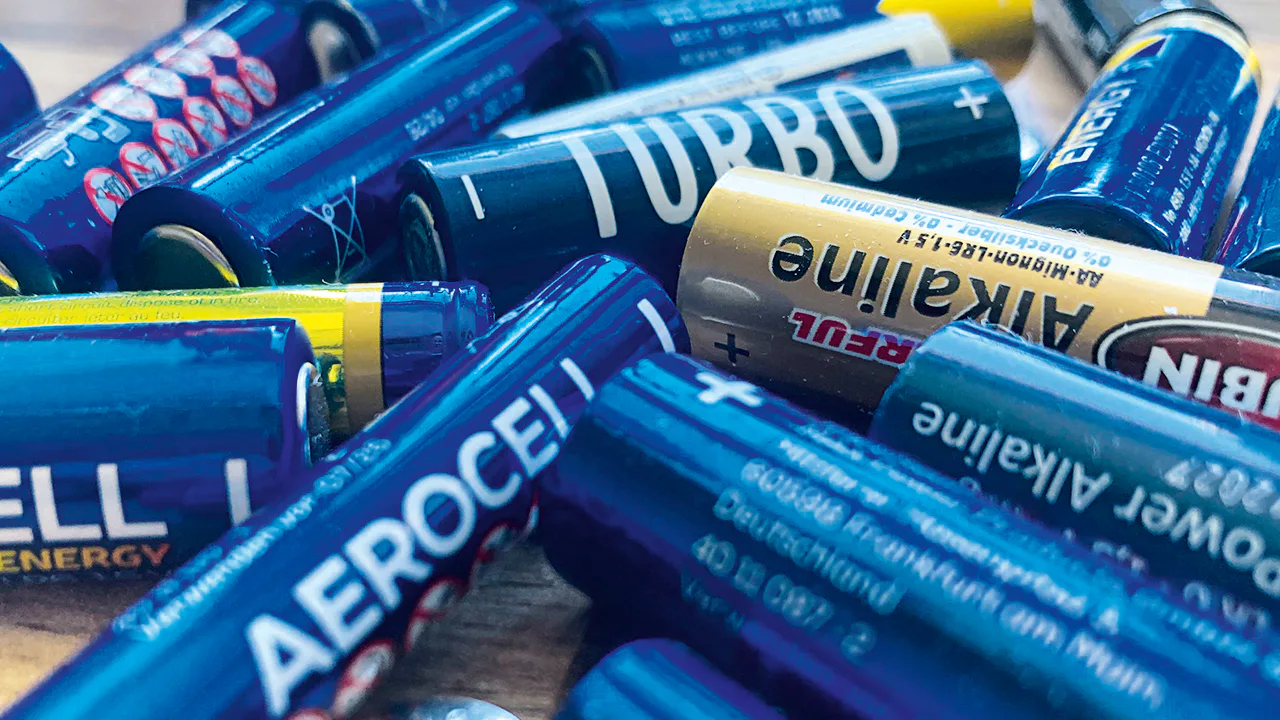
The report "Europe's Battery Reckoning" by Circunomics is intended to show how a practical implementation of the EU Battery Regulation can succeed.

The publication, entitled Building a healthy circular economy: Integrating chemicals, products and waste under the Circular Economy Act, argues that insufficient consideration of chemicals regulation within the planned legislation would result in substantial health-related and economic costs.