
Michael Brunn
Chefredakteur

Chefredakteur

Accreditation by DAkkS ensures that PlastCert, as a certification body, meets the highest standards of competence and impartiality. It promotes ongoing quality assurance and continuous improvement of certification processes. This strengthens confidence in PlastCert's certifications among both certified companies and purchasers of certified products.
The demanding requirements for quality and quantity in waste stream separation call for new solutions to meet these challenges. One promising approach lies in the use of artificial intelligence (AI) and computer vision, combined with existing technologies such as near-infrared (NIR) cameras. This article aims to introduce these technologies, explain their exponential growth, explore current applications in waste sorting, and highlight their potential for the future.

BlockTexx's process separates polyester and cellulose from post-consumer textiles and clothing, providing the polyester for Erema's technology. The Intarema FibrePro:IV system will process the polyester into recycled pellets suitable for new garment production.

The global transformation towards a climate-neutral economy requires a rapid expansion of technologies such as wind turbines, electromobility and automated production systems. A central element of these technologies are neodymium-iron-boron (NdFeB) magnets, whose thermal performance is often improved by the addition of the heavy rare earth element dysprosium (Dy).

Metals and minerals form the basis of modern societies and are indispensable for tackling global challenges such as climate change, urbanization and technological transformation. And the demand for strategic metals is growing dynamically.

Lithium is the "white gold" of the energy transition. No other metal has gained so much importance in recent years, as it is indispensable for the production of lithium-ion batteries, which form the core of modern electric vehicles.

Titanium is the metal of choice when lightness, strength and corrosion resistance are important. Without titanium, neither the engines of modern jets would work reliably, nor would spacecraft be able to withstand extreme temperatures. However, the EU does not produce a single gram of titanium sponge and is almost completely dependent on a few supplier countries. Geopolitical tensions, trade restrictions and increasing demand, especially from the aerospace industry, make titanium a strategic risk factor. This makes it all the more important to reduce dependency. Recycling, innovative production processes and new partnerships could pave the way for a more robust, sustainable supply. The study "Titanium metal in the EU: Strategic relevance and circularity potential" by the European Commission's Joint Research Centre sheds light on how the titanium supply chain works today, where the greatest risks lie - and how Europe can mitigate it with a circular economy, technology and smart policies.

The automotive industry must reduce both emissions during operations and the ecological footprint of production. With electrification, the focus is increasingly on "embedded emissions", especially from steel production. Steel accounts for 50 to 66 percent of vehicle weight and is the second largest source of production emissions in electric cars after the battery. The decarbonization of the steel industry is therefore considered a key issue. The switch from coal-based blast furnaces to hydrogen-based direct reduction and electric arc furnaces opens up new avenues, especially through more use of recycled scrap. However, the quality of scrap remains problematic: End-of-life vehicles (ELVs) deliver large quantities, but high copper contamination prevents them from being used in high-quality flat steel. With increasing vehicle electrification, this problem is exacerbated. Against this background, the Institut Mobilités en Transition has examined "deep dismantling". The results were published in the report "Car-to-Car-Steel - Potential of End-of-Life Vehicle deep-dismantling and use of copper depolluted steel scrap to decarbonize automotive flat steel production".
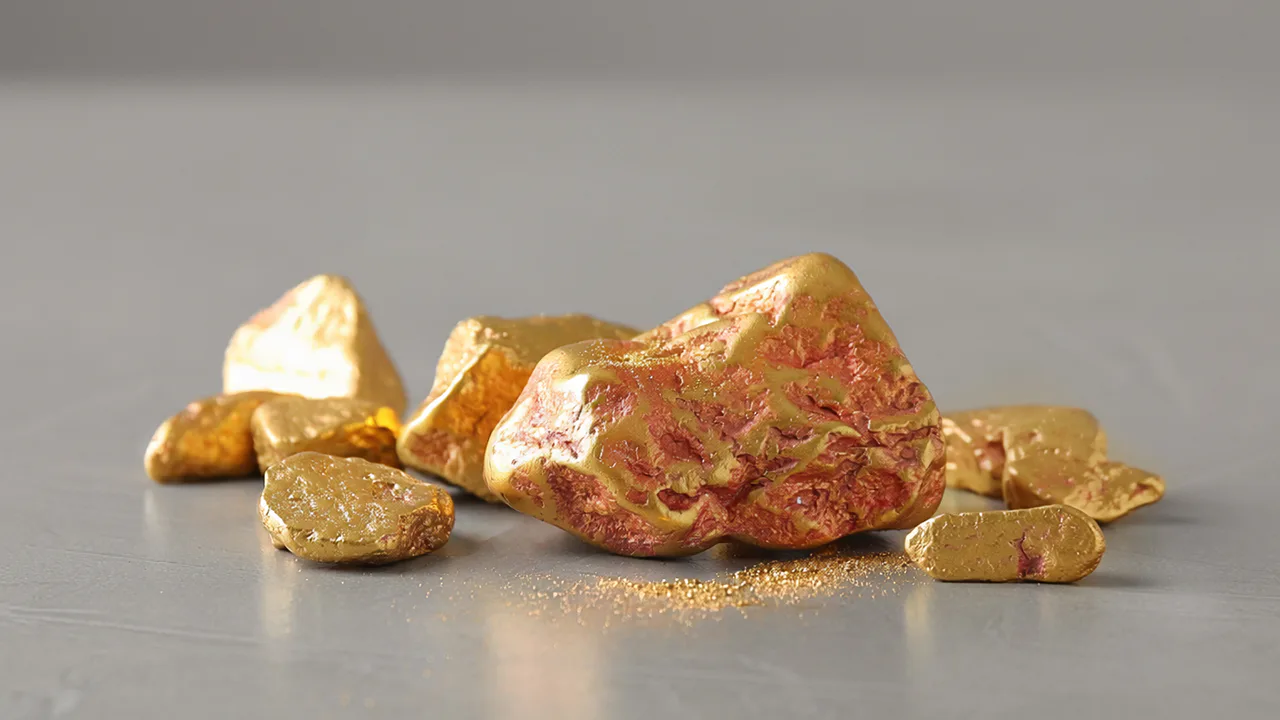
Gold mining is extremely resource- and energy-intensive, while at the same time the amount of waste electrical and electronic equipment (WEEE) is growing rapidly worldwide. WEEE contains highly concentrated gold deposits and thus offers great potential for urban mining and the implementation of the circular economy. Industrially, pyrometallurgical processing in copper smelters dominates, in which plastics in the material serve as an energy carrier. This technique is well established, but causes significant fossil CO₂ emissions, making it difficult to decarbonize. This results in a conflict of goals between increasing recycling rates and climate protection. The study "Climate change vs. circular economy: Challenges of the most common route for recycling gold from WEEE" by German scientists uses a life cycle analysis to analyse the climate balance of this recycling route and examines scenarios for reducing greenhouse gas emissions in order to identify technological and systemic solutions. The study was published in "Sustainability".
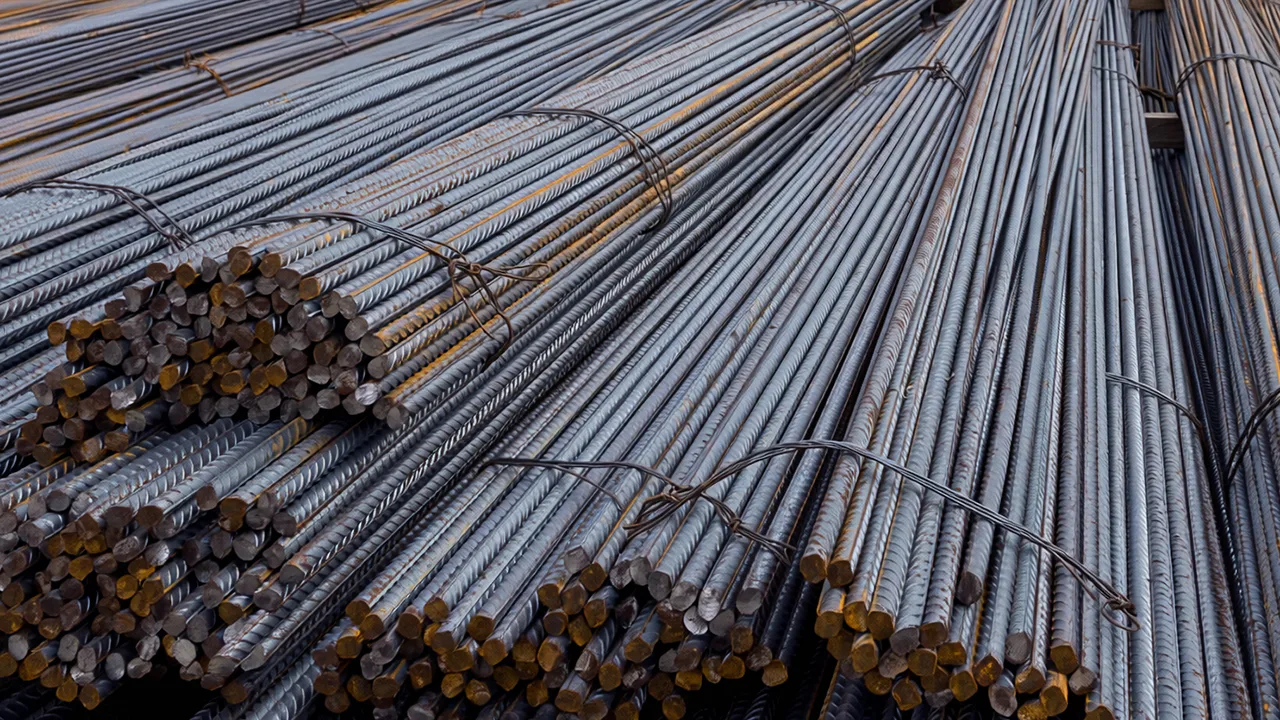
Limiting global warming requires greatly reduced CO₂ emissions. The steel sector accounts for around 7 percent of energy-related emissions and is difficult to decarbonize. Recycling is particularly effective here, as steel production from scrap causes significantly fewer emissions than primary production. In addition to new technologies such as hydrogen-based direct reduction, a higher recycling input rate is key. The study "Methodology development for estimating the impact of restriction factors to promote national steel recycling" by Japanese scientists aims to develop a methodology that makes it possible to identify the main barriers to the promotion of steel recycling in different countries and to determine their quantitative effects.