
Michael Brunn
Editor-in-Chief

Editor-in-Chief
This important development comes in response to BIR's request for greater transparency following the 21 February 2025 deadline for countries to submit their applications under the new EU Waste Shipments Regulation.

The event began with a session on Plastics and the Bioeconomy, in which Lorette Du Preez of EUROPEAN BIOPLASTICS highlighted the opportunities that legislation such as the Global Plastics Treaty or the Circular Economy Act presents for these materials. She also highlighted how bioplastics can improve the efficiency of sectors such as agriculture and, more broadly, their potential in an economy and society increasingly committed to bio-based and biodegradable materials. In terms of barriers, she spoke of costs and insufficient demand, and called for greater legislative support for the sector. Next, Filippo Giancarlo Martinelli of MAGFI reviewed the main recycling technologies for bioplastics and presented research projects such as ReBioCycle, which aims to integrate bioplastics into the circular economy through efficient separation and recycling technologies for these materials. Finally, Jesús Agüero of BIOVAL recalled that the first biotech company was created in Valencia in 2002. Since then, the association has been working to address common challenges with the bioplastics sector, such as transfer, regulation, and funding. He also highlighted that, for the first time, biotechnology has been included as a strategic sector in the Valencian government's reindustrialisation strategy.

By-products from steel production make an important contribution to resource efficiency and the circular economy in Europe. The workshop "The role of slags and other by-products within circular economy in the steel industry" on March 5 and 6, 2025 at the Wyndham Duisburger Hof in Duisburg focused on the current state of research into slags and other materials and the challenges expected in the future.
The change to the list, which provides common terminology for classifying waste across the EU, is intended to pave the way for a more sustainable and innovative automotive sector.

With Develon's GSA dealer network in Germany, Switzerland and Austria (GSA) and its many rental and service locations, the company is in the immediate vicinity of many Logex partners — the medium-sized setup is an ideal fit for Develon dealers, with its regional proximity.

Consumers do not think that UK retailers and brands are doing enough to reduce the use of plastic packaging. According to new research by Aquapak, 65% felt that they were falling short when it comes to cutting harmful plastic, with just 18% saying they are doing enough.
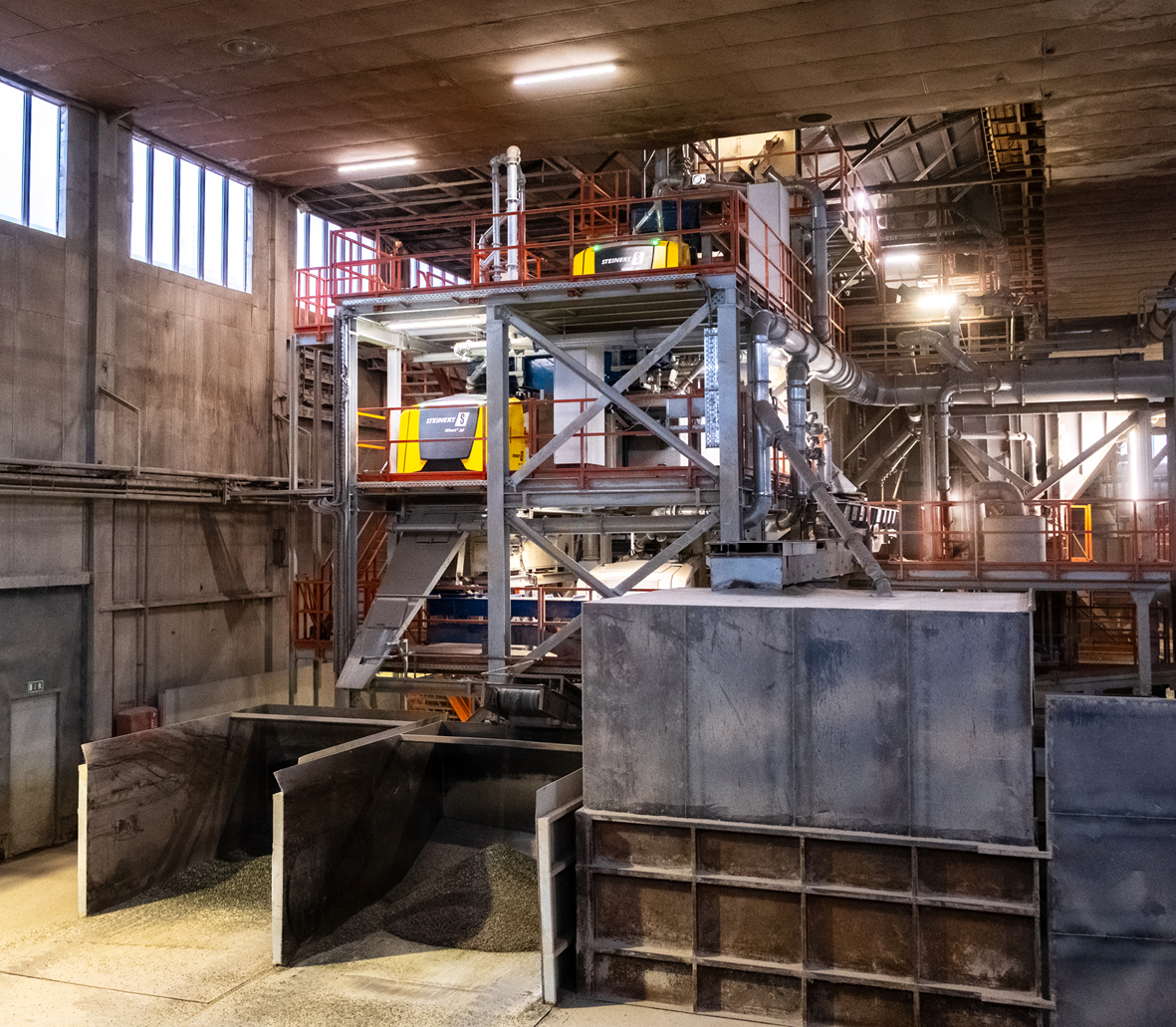
At Reiling in Denmark, the Steinert MSort sorting systems (formerly Mogensen) have been in 24/7 operation for over 16 years. Since the takeover of the MSort sorting systems by Steinert GmbH in July 2024, a new start has been made in terms of development, and Reiling is looking forward to the upcoming collaboration with new impetus. Steinert spoke to Benedikt Heitmann, Managing Director at Reiling Glas Recycling GmbH & Co. KG, about what the sorting systems can do to comply with the strict limits in glass recycling.
EuRIC and BIR jointly express profound concern over the conclusions reached during the Summit on the Future of the European Steel Industry held in Paris on 27 February 2025.

President von der Leyen has convened key European industry leaders, social partners, and stakeholders for the launch of the Strategic Dialogue on the Future of the European Steel sector. This dialogue marks the start of an inclusive and collaborative process to address critical challenges faced by the sector and ensure its continued success as a key driver of the European economy.

The plastics recycling industry is not immune to the pressures of high energy prices and a lack of commitment across the value chain," stated Sophie Sicard, President of EuRIC's Plastics Recycling Branch (EPRB), as she opened the webinar. She pointed to weak domestic demand and the surge in imports from third countries as key factors exacerbating the crisis. Maria Vera Duran, EuRIC's Senior Technical Manager, presented the EU Plastic Recyclers' Roadmap released in December, which outlines essential policy recommendations. These include, among others, establishing End-of-Waste (EoW) criteria, introducing financial incentives like lower VAT for circular materials, and adopting a risk-based approach to hazardous substances. Additionally, she stressed that the new Waste Shipment Regulation (WSR) and the upcoming ban on plastic waste exports to non-OECD countries will increase the waste available for recycling in the EU, and thus, intensify the need of a strong internal market for recyclates. The panel discussion reinforced the urgent need to align sustainability with competitiveness. Featuring insights from Judit Guerra-Falcon (Plastics Europe), Joost Schollaert (Galloo Plastics), and Mathias Bach Kirkegaard (Denmark's Permanent Representation to the EU), the panel warned of a potential oversupply of recycled plastics by the end of 2026 and the risk of deindustralisation in Europe. The speakers emphasised the necessity of design-for-recycling principles and ambitious mandatory recycled content targets, particularly in light of the proposal for a Regulation on End-of-Life Vehicles (ELVs) and the Clean Industrial Deal.