
District heating and energy resilience
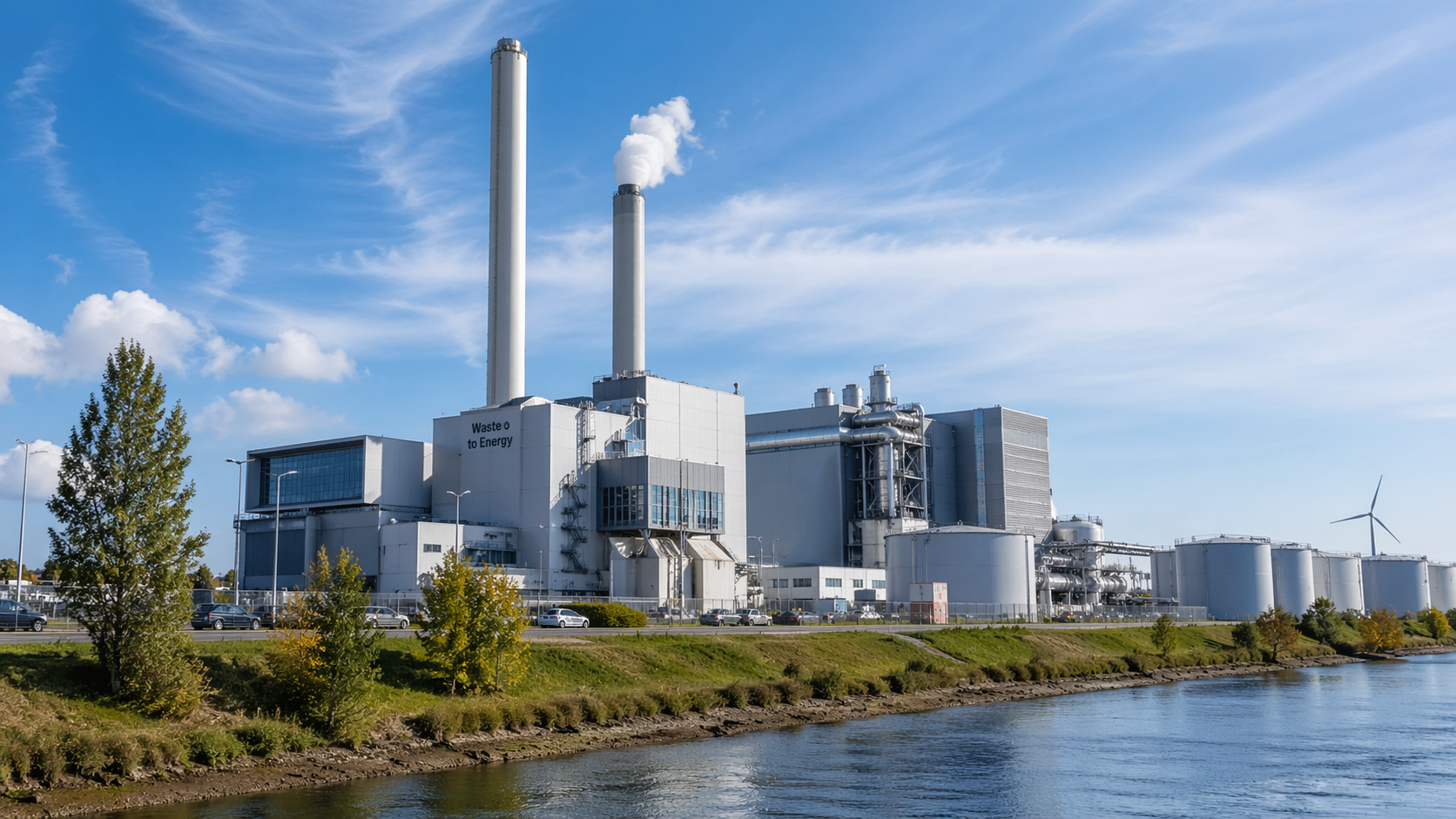
According to ESWET, Waste-to-Energy plants are established contributors to district heating systems in Europe. Operating continuously, the facilities supply baseload heat and electricity to households and industry. The association states that European Waste-to-Energy plants generated about 39 billion kWh of electricity and 76 billion kWh of heat in 2024, with more than half of this output derived from biogenic sources.
ESWET argues that this combination of dispatchable generation and heat supply can complement variable renewable energy sources and strengthen the resilience of local energy systems. The association also notes that Waste-to-Energy facilities are already integrated into district heating infrastructure in countries including Denmark, Sweden, the Netherlands, France and Germany.
Expansion potential in heating networks
The Commission’s plan includes a target to expand district heating coverage across the European Union, with a larger share expected to come from recovered waste heat. In this context, ESWET identifies the further connection of Waste-to-Energy plants to district heating networks as one of the faster options for reducing fossil fuel use in the heating sector.
The association states that Waste-to-Energy plants can reach total energy recovery rates of 85 to 90 percent or more when heat and electricity are used efficiently. On that basis, it presents the technology as a practical component of district heating expansion and waste heat valorisation.
Cost stability and reduced import dependence
ESWET also links Waste-to-Energy to energy affordability. Because the plants use locally available non-recyclable waste, the sector is less exposed to international fuel price fluctuations than fossil-based alternatives. In district heating systems, the association says, heat from Waste-to-Energy can offer predictable costs, while combined heat and power production can improve overall system economics for utilities and end users.
The association further argues that the sector contributes to lower fossil fuel imports and supports both energy security and climate objectives. Based on its figures for 2024, ESWET estimates that the useful energy produced by Waste-to-Energy in the EU was equivalent to 15.7 billion cubic metres of natural gas.
Raw material recovery
Beyond energy generation, ESWET also links the sector to resource security. It points to the recovery of critical raw materials from bottom ash as an additional contribution, reducing dependence on imported feedstocks needed in other parts of the energy transition.
In its assessment of the AccelerateEU Plan, ESWET positions Waste-to-Energy as part of Europe’s domestic energy base, alongside the expansion of district heating, the use of recovered heat and the recovery of materials from treatment residues.