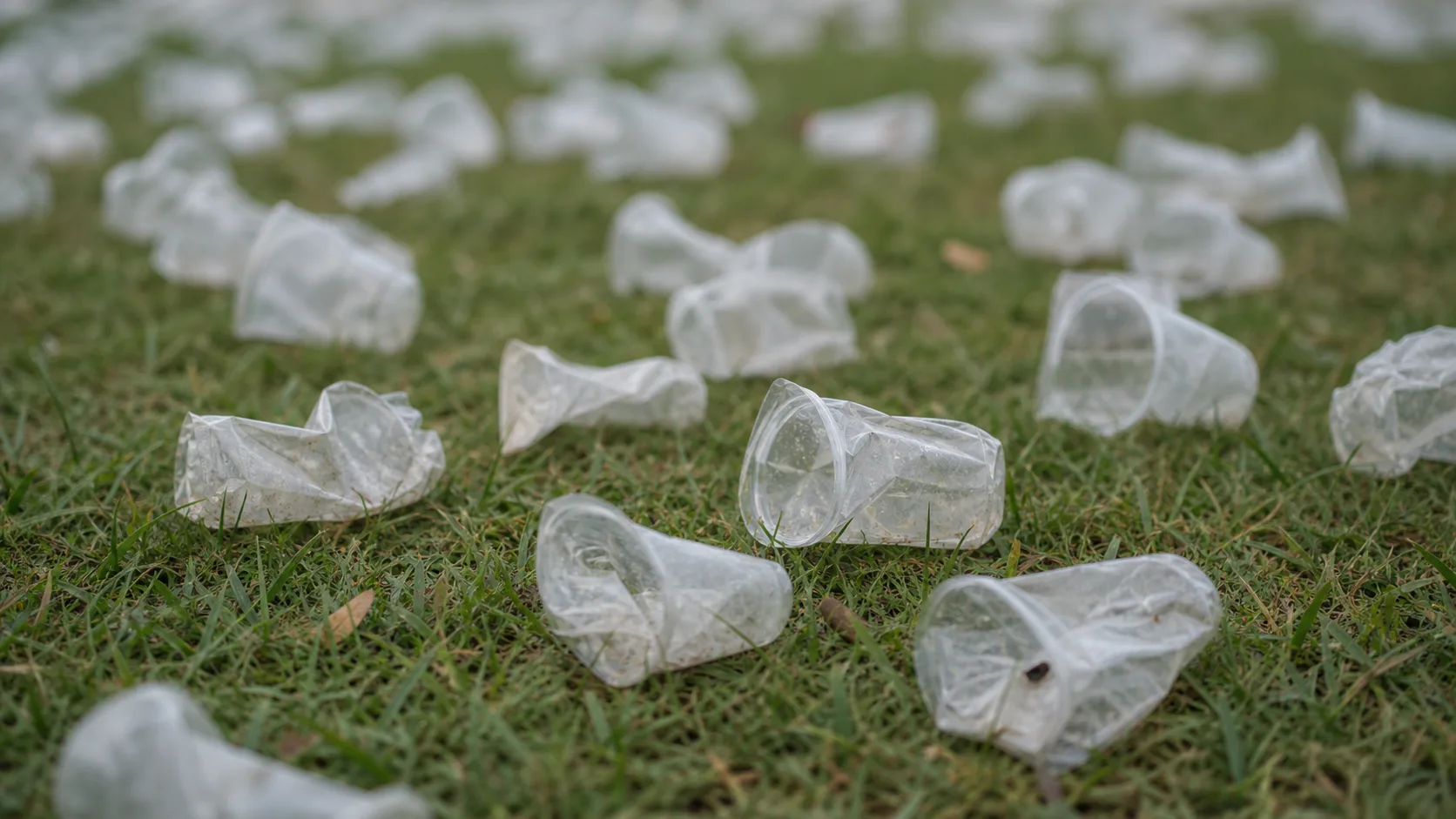

The project aims to reduce environmental impacts associated with conventional plastic products by replacing them with bio-based alternatives that biodegrade directly in soil after use.
SOUL, which stands for Sustainable, bio-based and biodegradable-in-soil solutions, receives funding from the Horizon Europe programme through the Circular Bio-based Europe Joint Undertaking. The initiative brings together 17 partners from across Europe, including the Spanish plastics technology centre Aimplas.
Biodegradable soil solutions for multiple sectors
The consortium is developing 11 product solutions with more than 95% renewable raw material content. The portfolio includes mulch films, clips, twines, pheromone dispensers, turf nets, tree shelters, controlled-release fertiliser coatings and infill materials for artificial turf systems.
Project partners produce these materials from sustainably sourced feedstocks such as agricultural residues, agri-food by-products and crops grown on marginal land. The materials are also compatible with existing plastics manufacturing processes, supporting future industrial-scale production.
Digital tool to support material development
Within the project, Aimplas is developing a digital tool that predicts the biodegradability of plastic materials under soil conditions. The tool aims to improve understanding of biodegradation processes and support the design of products and materials for agricultural applications with lower environmental impact.
Validation across five European countries
The consortium will test the biodegradable soil solutions under real operating conditions in Spain, Italy, Portugal, Poland and Ireland. The trials will evaluate biodegradation performance in different climatic environments and assess compatibility with various end-of-life scenarios, including composting, reuse and recycling.
Assessing environmental performance
In addition to technical validation, the project will assess the safety, sustainability and circularity of each product throughout its life cycle. The evaluation will quantify greenhouse gas emission reductions and examine the environmental performance of the developed materials. The consortium also plans to develop recommendations that may support future policy and regulatory discussions related to bio-based and biodegradable materials.
The SOUL consortium includes research organisations, industry partners and sector associations from Spain, Italy, Portugal, Ireland, Belgium and Poland, supported by an associated partner from Switzerland.