
Subscribe to our newsletter!
Recieve the latest news on recycling, environment and circular economy once a month.

In its report "Shifting the public's focus from recycling to waste prevention - how do we move people up the waste hierarchy?", the environmental organisation Keep Britain Tidy points out that recycling is currently seen by the majority as the best environmental option. The report shows how the focus can be shifted to waste prevention.

Future energy supplies and digitalisation will dramatically increase the demand for raw materials. Rare earth permanent magnets have been in the spotlight recently.

We need a fundamental revaluing of plastic in a world where there is no silver bullet.

Improperly managed plastic waste ends up in natural environments, where it has an impact on biodiversity and ecosystems.
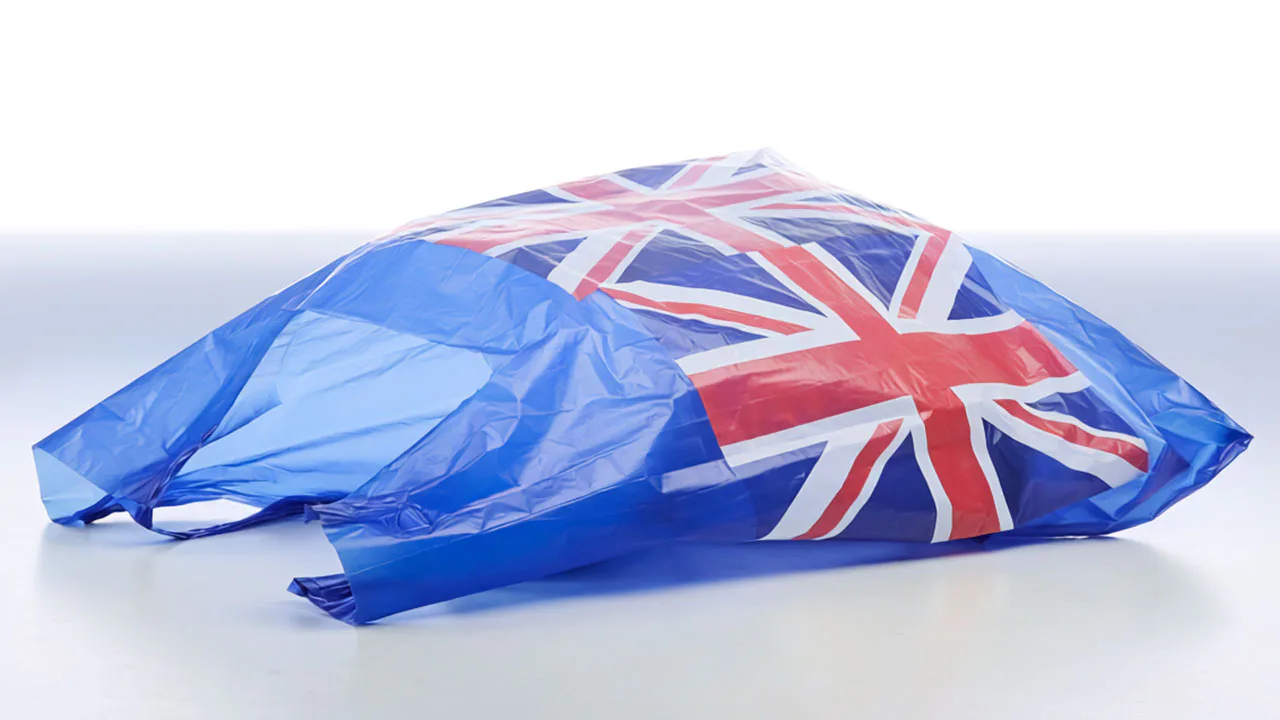
The UK may have escaped the EU, but not the issue of plastic pollution.

Hazardous waste poses a significant risk to both people and the environment. Although it represents only a small proportion of the total waste generated, its proper management is all the more important.

In Italy, waste management and recycling has developed positively in recent times, as the report "Recycling in Italy" published by the Sustainable Development Foundation shows. In many areas, the EU recycling targets for 2030 are already being either met or exceeded.

The use of textiles is increasing, while their useful life is decreasing. By 2030, consumption is expected to increase by a further 63 per cent - and this cannot be explained by population growth, which is actually slowing down.
Methane emissions must be urgently reduced to stop the worst of global warming.

Resource usage is high in Northern Ireland. Neither is much of it recycled.

Businesses also have a role to play in the fight against climate change. More and more companies are aiming for 'climate neutrality' or 'net zero emissions'.