
Michael Brunn
Chefredakteur

Chefredakteur

Digitalisation, artificial intelligence and the ongoing transition to a climate-neutral economy are changing business models, production processes and job profiles worldwide. The World Economic Forum's "Future of Jobs" report shows just how much the labour market is set to change by 2030.
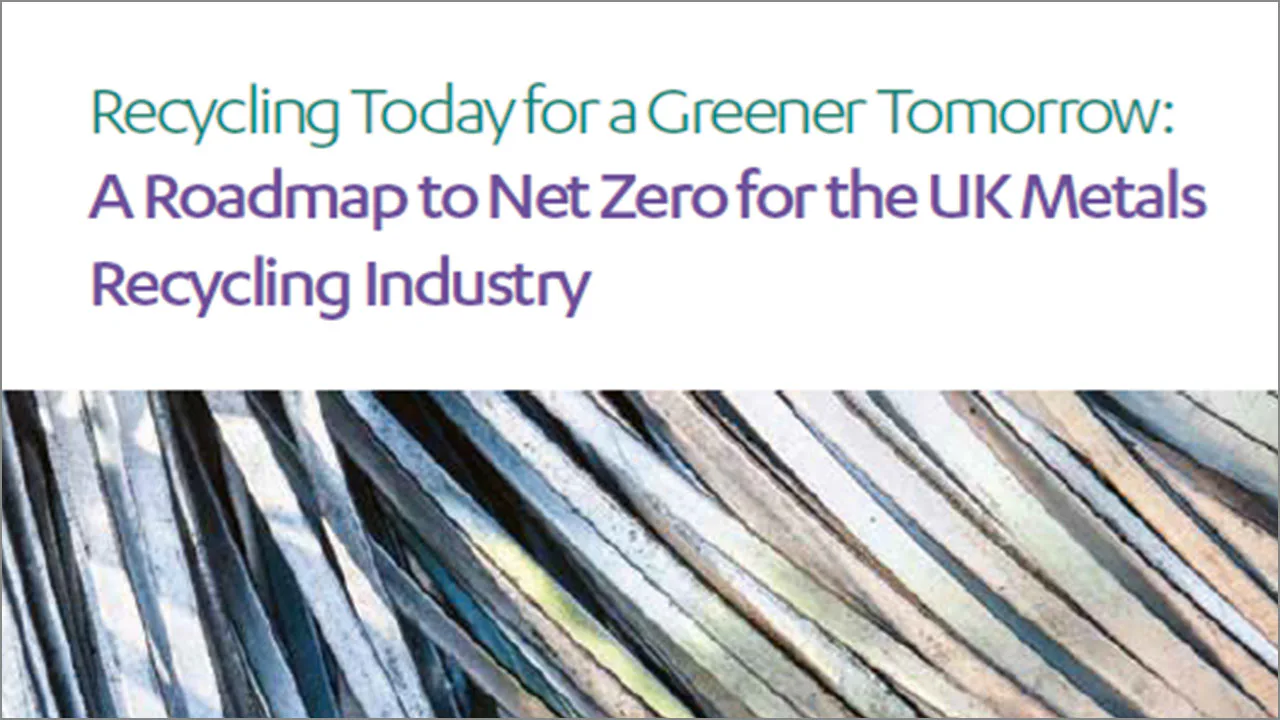
The decarbonisation of industry is decisive for the competitiveness of entire economies. While energy-intensive primary industries are under high pressure to transform, the British Metals Recycling Association's report "Recycling Today for a Greener Tomorrow: a Roadmap to Net Zero for the UK Metals Recycling Industry" shows that the country's metals recycling sector can be a strategic lever for a climate-neutral industrial policy.

Recycling has long been more than just waste recycling. With increasingly strict regulatory requirements, growing recyclate quotas and the pressure to decarbonise, the role of the industry is changing fundamentally. What is needed is not only efficient processes, but also the ability to build and control functioning circular ecosystems. The study "A dynamic capabilities framework for building circular ecosystems by focal firms" conducted by Spanish and Brazilian researchers shows which strategic competencies companies need in order to do so and why recycling companies in particular can play a key role in the process.

The recognition from the Australian Bioplastics Association (ABA) covers testing for the soil biodegradation scheme and compostability in accordance with DIN CERTCO standards. The Japanese Bioplastics Association (JBPA) has recognised Aimplas for biodegradation testing in compost and soil, disintegration testing at laboratory and pilot scale, and ecotoxicity testing in higher plants.

The IRRT process enables high recovery rates in bottom ash recycling and establishes Eggersmann as exclusive plant manufacturer for industrial implementation.

WEEE is a source of annoyance: the quantities are constantly increasing, the already complex recycling is made more difficult by design developments and every new battery threatens to fire. Therefore, in the "EU Recyclers' Roadmap: For a circular & future-proof e-waste sector", Recycling Europe proposes six measures to improve things.
E-waste is one of the most recyclable, but at the same time technically most demanding waste streams worldwide. In view of rising raw material prices, growing quantities and stricter environmental require-ments, classic, chemical-intensive recycling processes are coming under increasing pressure. Reagent-free technologies based on physical separation principles promise higher energy efficiency, lower emissions and new ways in urban raw material extraction. The study "Review of Reagent-Free Electronic Waste Recycling: Technology, Energy, Materials and Spatial Effects" by scientists from Kazakhstan and Croatia analyzes the state of the art and evaluates industrial perspectives. The study was published in "Recycling".

Increasing waste volumes, ambitious recycling quotas and growing cost pressure pose funda-mental challenges for municipalities and waste management companies. Artificial intelligence and the Internet of Things are opening up new ways to make collection, sorting and material flow control more efficient, transparent and sustainable. The study "Revolutionizing urban solid waste management with AI and IoT: A review of smart solutions for waste collection, sorting, and recycling" by a Saudi Arabian scientist shows how digital systems can evolve from an addi-tional technological benefit to a strategic key for the circular economy.

The automotive industry is at the heart of Europe's efforts to close resource cy-cles and drive the transition to a circular economy. The study "Increasing plastic circularity in the automotive sector: Supply chain analysis and policy options from the European Union (EU)" by scientists from Italy and the Netherlands examined plastic circularity in the automotive sector. In doing so, it focuses on the drivers and hurdles of recycling. The study was published in "Resources, Conservation & Recycling".
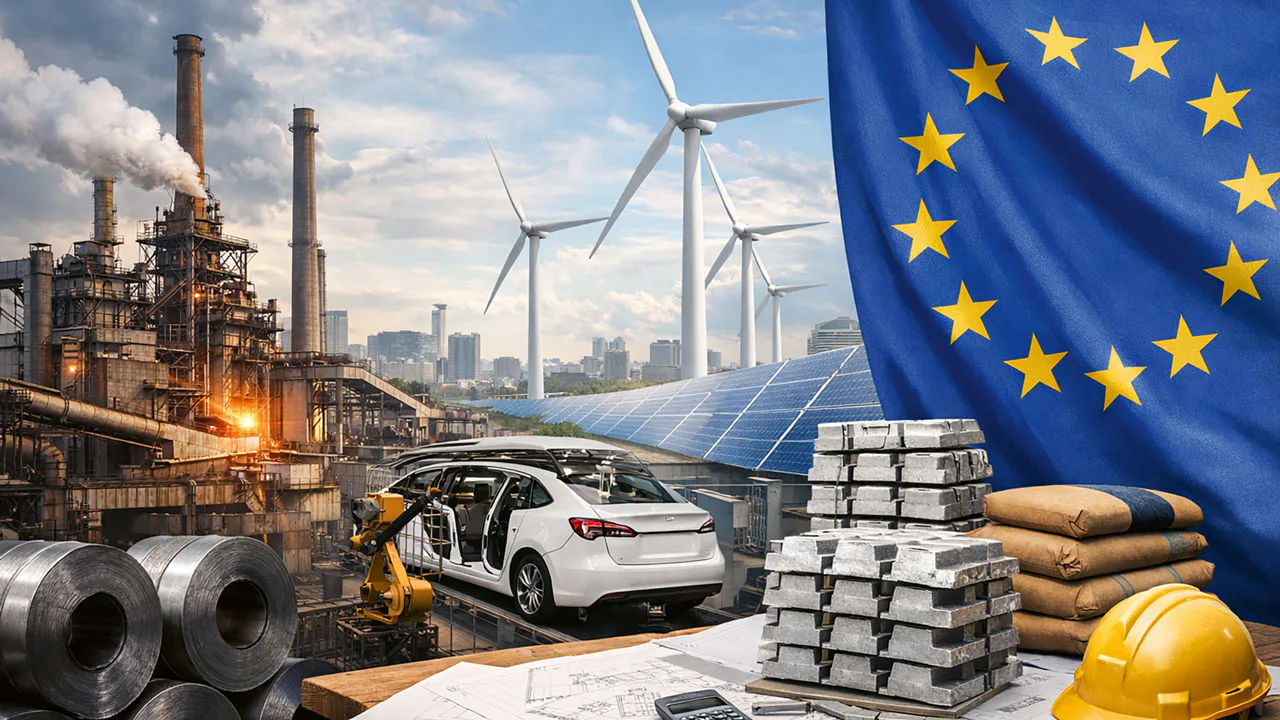
And once again, the EU wants to speed things up. This time, the "Industrial Accelerator Act" is to be about selected industrial sectors. The main focus is on public procurement and approval procedures.