
Michael Brunn
Chefredakteur

Chefredakteur

Renewable carbon is considered a key to freeing the plastics and chemical industries from fossil raw materials. At the same time, it forms an important basis for the future of the recycling industry. Current EU regulations set hurdles for bio-based raw materials, for the use of CO₂ and for new recycling methods. The Renewable Carbon Initiative's analysis "Policy barriers for renewable carbon uptake" shows where regulatory regulations are slowing down investment.
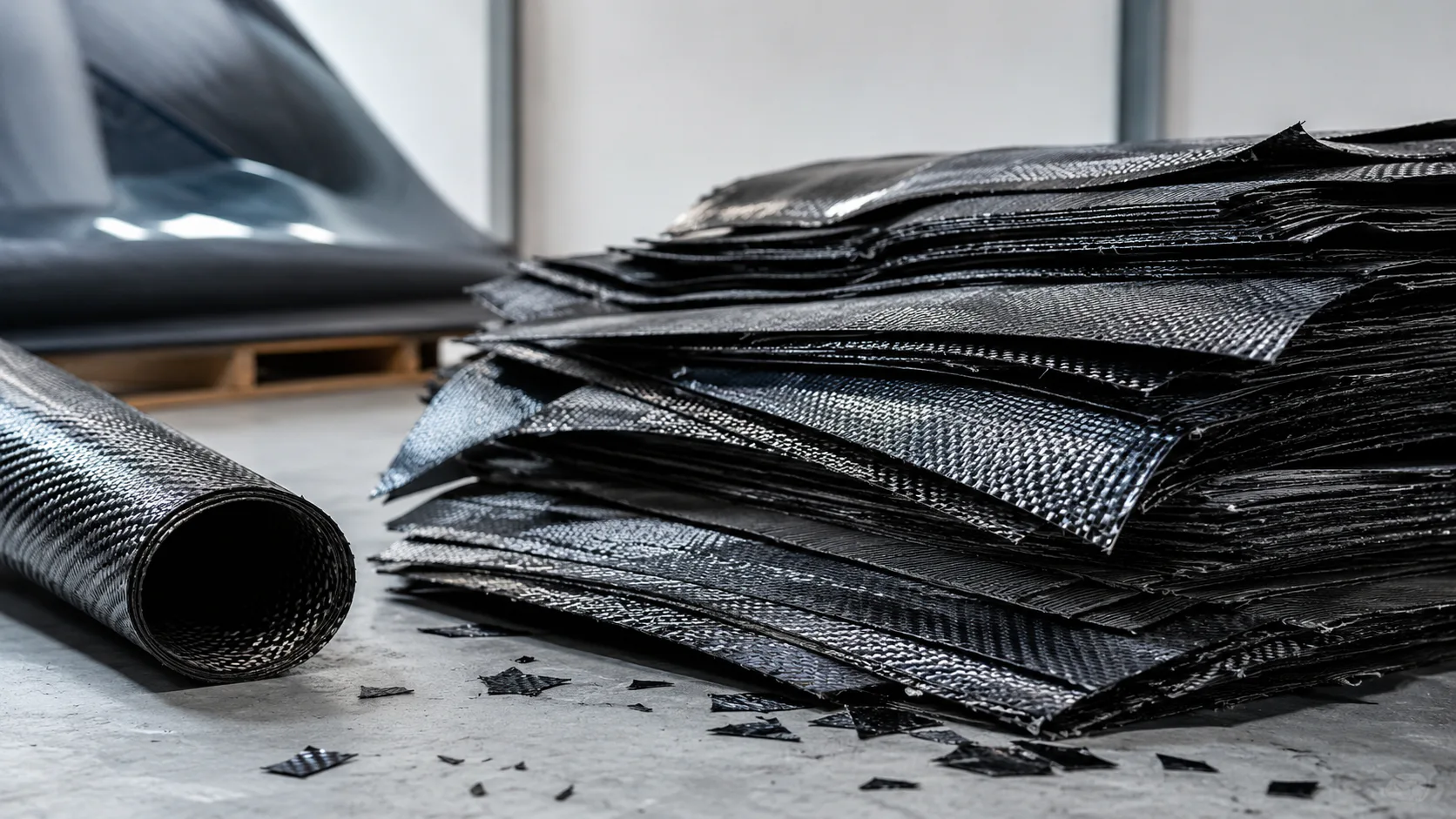
The use of fiber composites is growing rapidly worldwide. However, with increasing production, energy consumption, material losses and waste volumes are also increasing significantly. The study "Mapping the global flow of fiber-reinforced polymer composites and supply chain energy requirements" by American scientists shows in detail how much energy is actually required for the production of composites, where large quantities of production waste are generated along the supply chain, and why recycling has so far only played a minor role. The study was published in "Resources, Conservation & Recycling".

Food waste is largely generated in private households. There is considerable potential for waste avoidance there. The field study "Sharing to prevent waste: The effectiveness of an intervention encouraging food sharing" by Dutch scientists proves a positive effect: A simple combination of information guide and reminder stickers significantly increases the passing on of food and shortens storage processes. The journal "Resources, Conservation & Recycling" published the study.
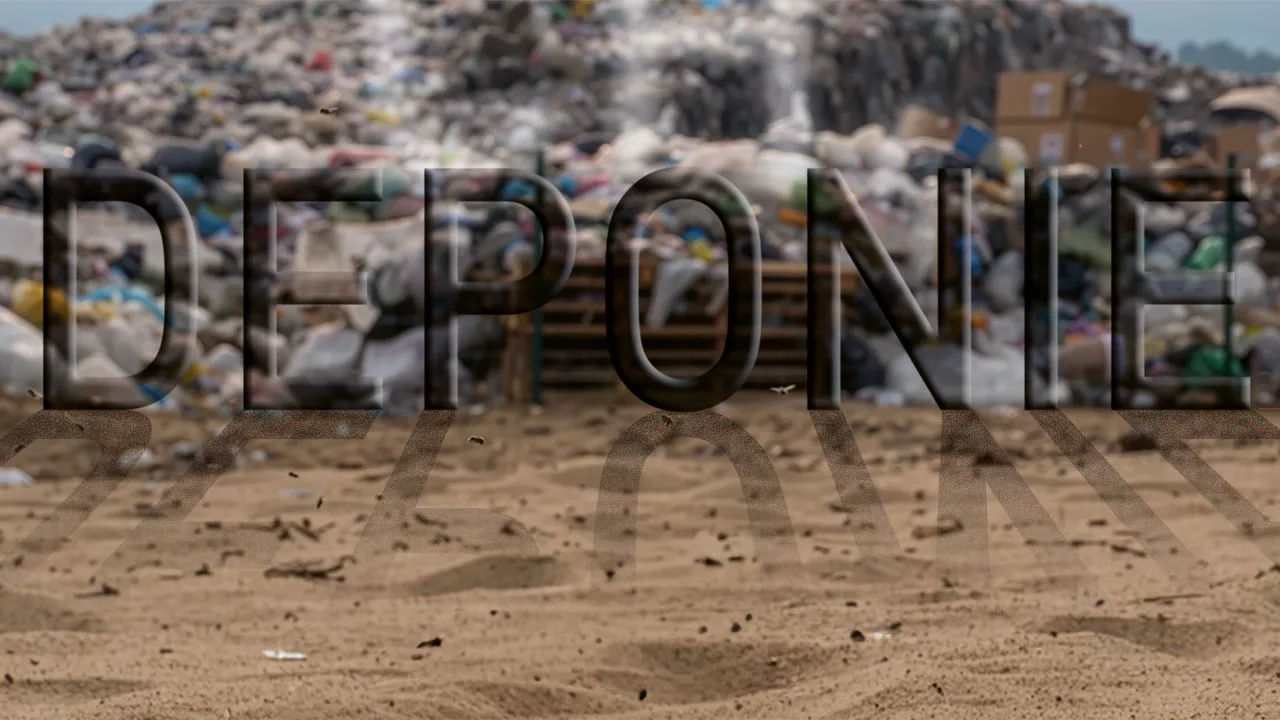
Methane emissions from landfills are often underestimated in European climate policy, even though they have a significant impact on the climate for decades. The study "Methane emissions from Europe's landfills", conducted by Prognos and the Ifeu Institute and initiated by Kanadevia Inova uses a scenario-based modelling approach to analyse future methane emissions from the landfilling of municipal waste in the EU-27 and the UK.

The steel industry is one of the world's largest industrial emitters of greenhouse gases. In addition to new production processes and a climate-friendly energy supply, the circular economy in particular offers great opportunities for reducing emissions. The study "Circular Economy can substantially reduce EU steel supply chain emissions: A quality-focused circularity assessment" by Dutch and Spanish scientists shows that material efficiency, longer product lifespans and high-quality recycling could significantly reduce the demand for steel in Europe and massively increase the share of secondary steel. It is not only the amount of available scrap that is decisive, but above all its quality. The study was published in "Resources, Conservation & Recycling".

Climate change, biodiversity loss, and pollution form an interconnected "triple planetary crisis." The report "Moving from interconnected crises to systemic solutions" by Ecologic Institute on behalf of the German Environment Agency shows why this requires a change of perspective for the circular and waste management industry: away from pure waste management and towards the active control of material flows and resource use.

As the study "High voltage selective fragmentation on Swedish mineral fraction of incineration bottom ash (MIBA)" by scientists from Sweden and Switzerland shows, high-voltage fragmenta-tion opens up new perspectives for the recovery of metals from waste incineration ash. Addi-tional metal contents of up to 2.2 percent could be tapped, while at the same time new, more homogeneous material flows were created. However, regulatory limits and material challenges have so far slowed down industrial implementation. The study was published in "Waste Ma-nagement".

The European glass recycling chain is considered one of the most developed material cycles in the pack-aging sector. Container glass can be recycled almost indefinitely in a closed cycle without any significant loss of quality. However, for this to happen, glass fragments must be reliably recognized as glass in the processing plants and not incorrectly discharged as impurities. The "Study on the glass transmittance of opaque glass packaging", which Stazione Sperimentale del Vetro carried out on behalf of FEVE, analyzes the light transmission at which dark, thick-walled glass is no longer reliably identified as glass by optical sorting systems in European glass breakage processing plants.

Rising raw material prices, geopolitical uncertainties and growing ESG pressure are changing the rules of the waste management industry. Landfills are increasingly in focus - not only as a cost factor and liability risk, but also as a potential raw material storage. In the study "Moving waste storage towards a circular economy: barriers and opportunities", British scientists have developed the ASPIRE concept, an approach that uses industrial and mineral waste in a targeted manner for later value creation. The study was published in the "Journal of Environmental Management".

Climate impacts not only affect Europe directly, but also have an impact in complex chain reactions via global supply chains, markets and political upheavals. The study "Critical intervention points for European adaptation to cascading climate change impacts" by European scientists shows at which systemic nodes these risks are concentrated. The study was published in "Nature".