
Michael Brunn
Chefredakteur

Chefredakteur
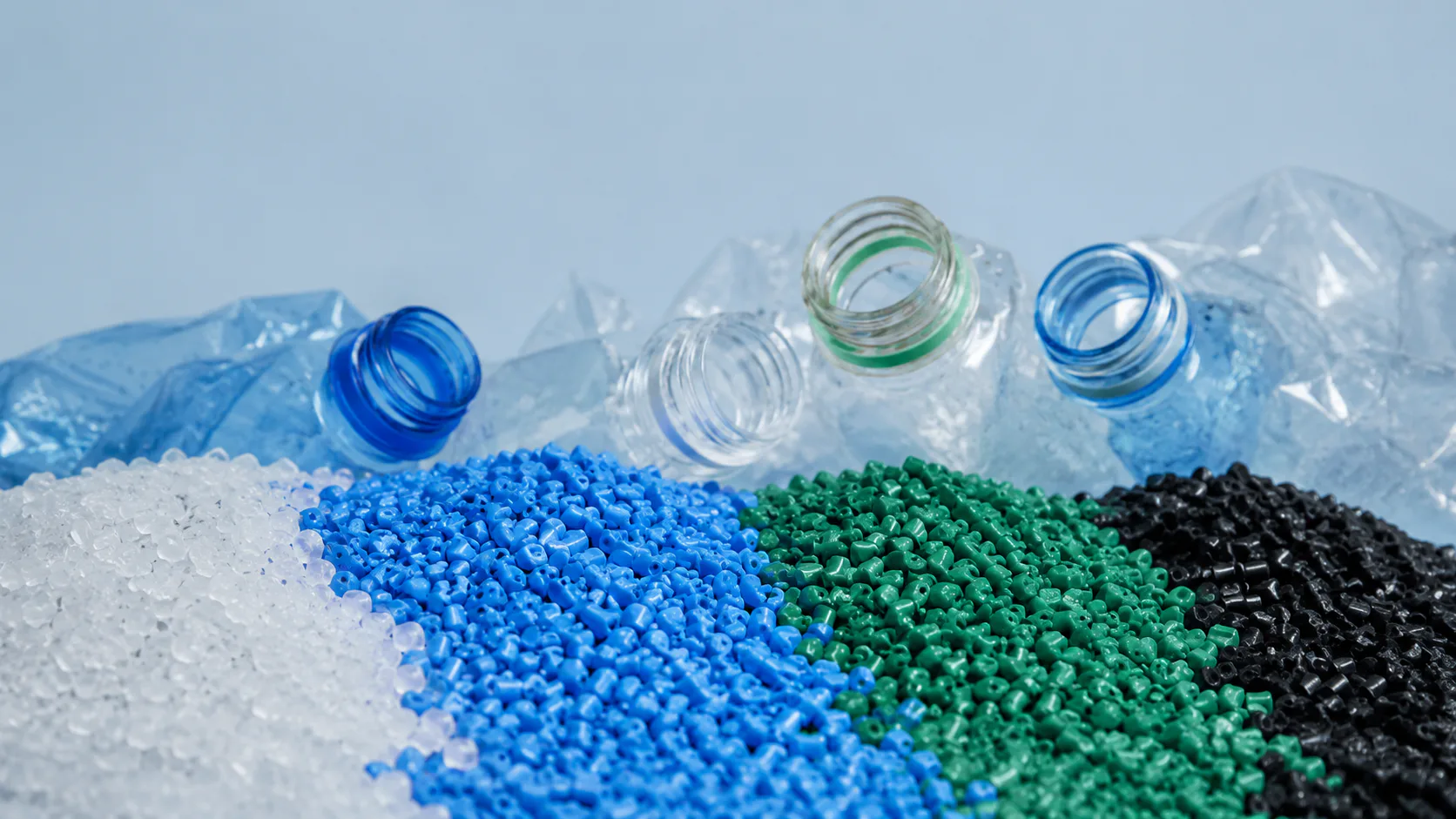
The report outlines technical alignment in several areas. These include design guidance for natural polypropylene packaging, agreement on tie layers compatible with polyethylene film recycling, and a common definition of blue tints in polyethylene terephthalate packaging.

At recycling facilities, these batteries pass through several sorting stages before ending up in the ferrous metal fraction alongside other materials. Their small size, irregular shape, and mixed composition make reliable separation difficult. As a result, batteries contaminate metal streams, reduce material value, and increase fire risks during downstream processing.

A growing number of wind turbines are approaching the end of their operational life. While around 90 percent of a turbine can already be recycled, composite blade materials remain difficult to process. In many cases, discarded blades are still landfilled or incinerated. Industry association WindEurope is supporting efforts to introduce a Europe-wide landfill ban for decommissioned blades, building on restrictions already implemented in several countries.

The joint operation will provide services for large energy-storage and electric vehicle batteries. Its activities include transport, storage, dismantling and second-life assessment. The company states that it can process all battery chemistries.

New research by Fashion for Good and Circle Economy examines what happens to donated clothing after export and highlights challenges in the global second-hand clothing system.

In 2025, BIR represented nearly 1,100 organisations across 71 countries. The federation recorded particularly strong growth in Asia and the Middle East, while maintaining a membership retention rate of 86 percent. According to BIR, this development reflects continued demand for international representation, market information and networking within the recycling sector.

The organisations call for stronger safeguards to ensure fair competition in public procurement across the European Union. They warn that the growing use of in-house procurement and public-public cooperation without competitive procedures reduces market access for private companies and weakens investment incentives in key sectors.

The update marks an important step for the tire pyrolysis sector. It establishes a clearer certification pathway for the fossil share of ELT-derived tire pyrolysis oil (TPO) and complements the established relevance of the biogenic share linked mainly to natural rubber content.

The development marks a further step toward a circular value chain for automotive glazing. AGC currently operates its automotive glass production with a cullet ratio of more than 56 percent.

STADLER presented its STADLERconnect platform at IFAT 2026 with a live demonstration focused on data-driven plant optimisation, predictive maintenance and global business expansion.