
Michael Brunn
Chefredakteur

Chefredakteur
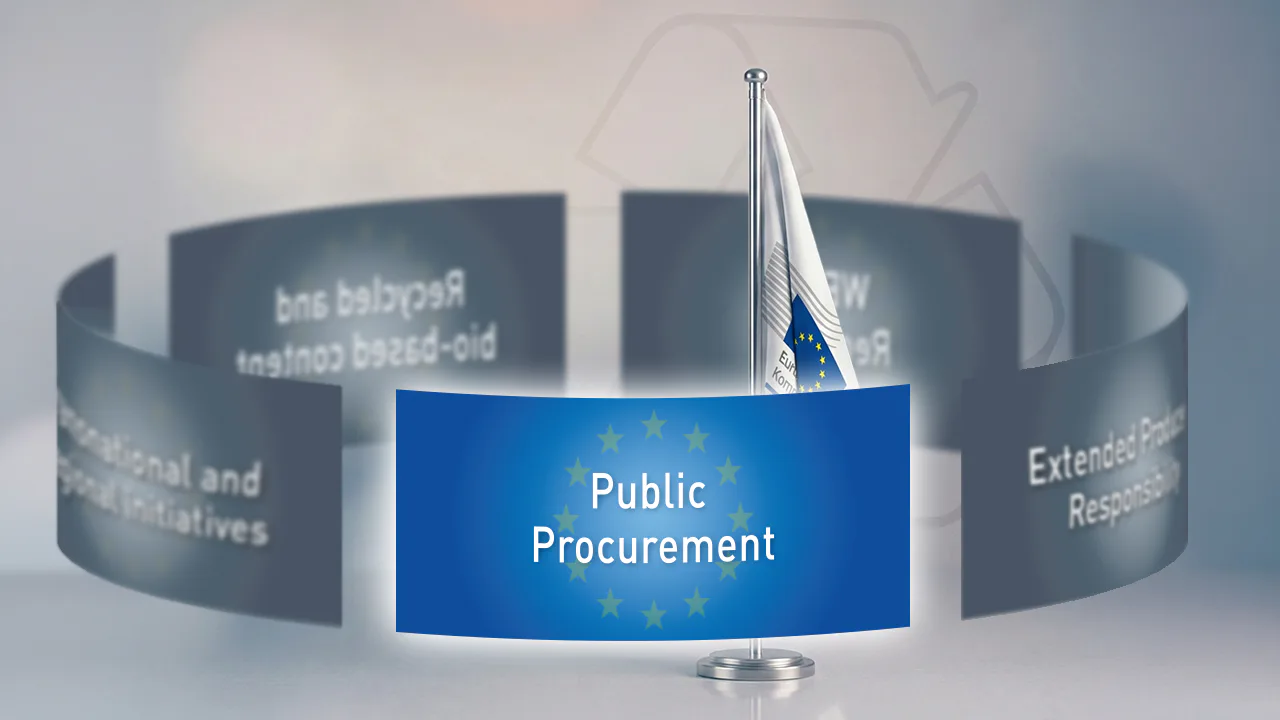
Technical solutions for circular public procurement are widely available in Europe. However, their systematic application falls short of the possibilities.
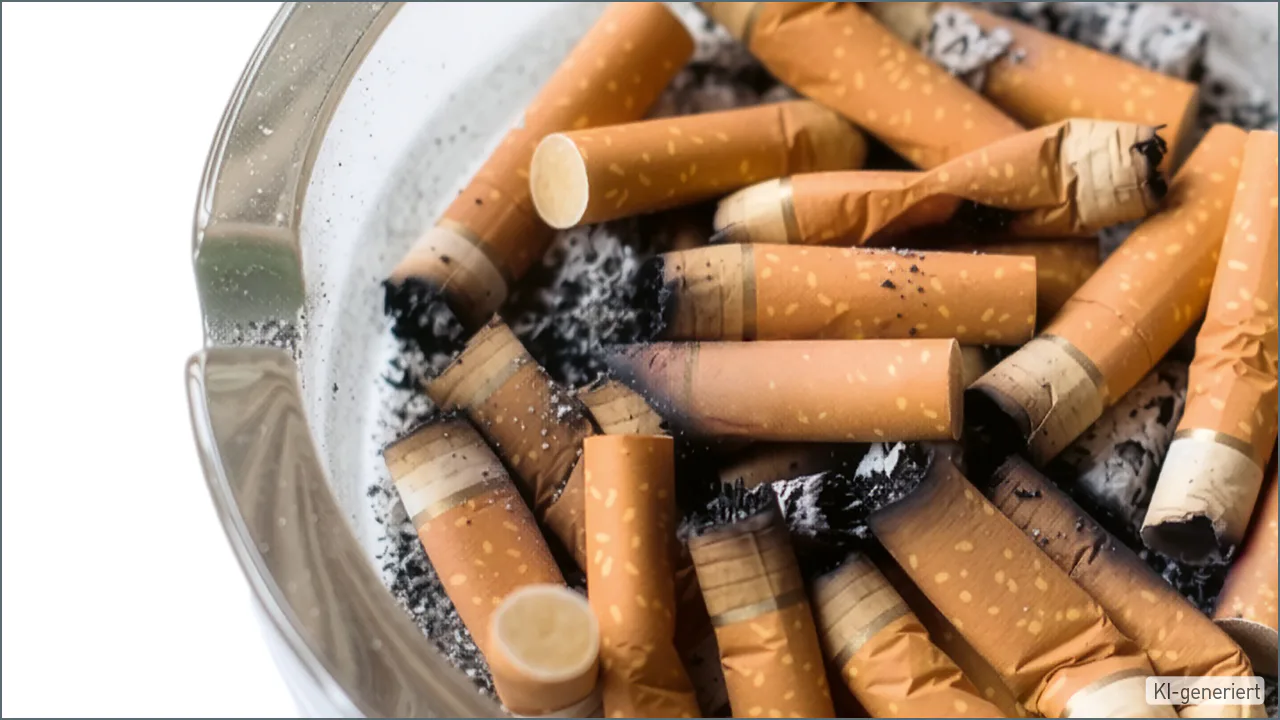
Every year, trillions of cigarette butts are carelessly disposed of worldwide. This results in an enormous plastic stream with toxic pollution that hardly anyone notices.

Technical solutions for a more efficient circular economy are already well developed in many areas. However, regulatory fragmentation and a lack of economic incentives make their widespread application difficult.

The construction sector is one of the world's largest consumers of raw materials and at the same time among the most substantial sources of greenhouse gas emissions.

Nitrogen and phosphorus losses are among Europe's most pressing environmental problems.

Recycling is considered a major component of the circular economy concept. At the same time, how-ever, the actual recycling rates of many packaging streams fall short of political and social expecta-tions.

The development of climate-neutral value chains in the steel sector no longer depends solely on adopting new production processes.

Austria has one of the most efficient waste management systems in Europe.

The transformation to a circular economy requires enormous investments in energy-efficient processes, sustainable production systems and new business models.

The directive for waste electrical and electronic equipment is getting on in years. For some time now, Brussels has been working on a revision.