
Michael Brunn
Chefredakteur

Chefredakteur

Digital technologies are a key driver of a functioning circular economy.

The rising demand for critical raw materials presents Europe with new challenges in supplying its industry. Consequently, in addition to new mining projects, previously underutilized sources are increasingly coming into focus.

Europe is looking for ways to break away from fossil dependency. In doing so, the continent overlooks a domestic raw material: waste. Waste containing plastic and biomass contains a lot of carbon. Industry urgently needs this element in order to produce without climate-damaging substances.

Industrial symbioses are considered the silver bullet of the circular economy. As soon as CO₂ balances come into play, ecological success quickly becomes a methodological problem.

Incorrect waste separation is a major obstacle to high-quality recycling in Europe. With the Packaging and Packaging Waste Regulation, the EU is striving for uniform symbols for the first time.

The decarbonization of the cement and concrete industry is increasingly being slowed down less by technological limits than by regulatory frameworks.

Renewable carbon is considered a key to freeing the plastics and chemical industries from fossil raw materials. At the same time, it forms an important basis for the future of the recycling industry. Current EU regulations set hurdles for bio-based raw materials, for the use of CO₂ and for new recycling methods. The Renewable Carbon Initiative's analysis "Policy barriers for renewable carbon uptake" shows where regulatory regulations are slowing down investment.
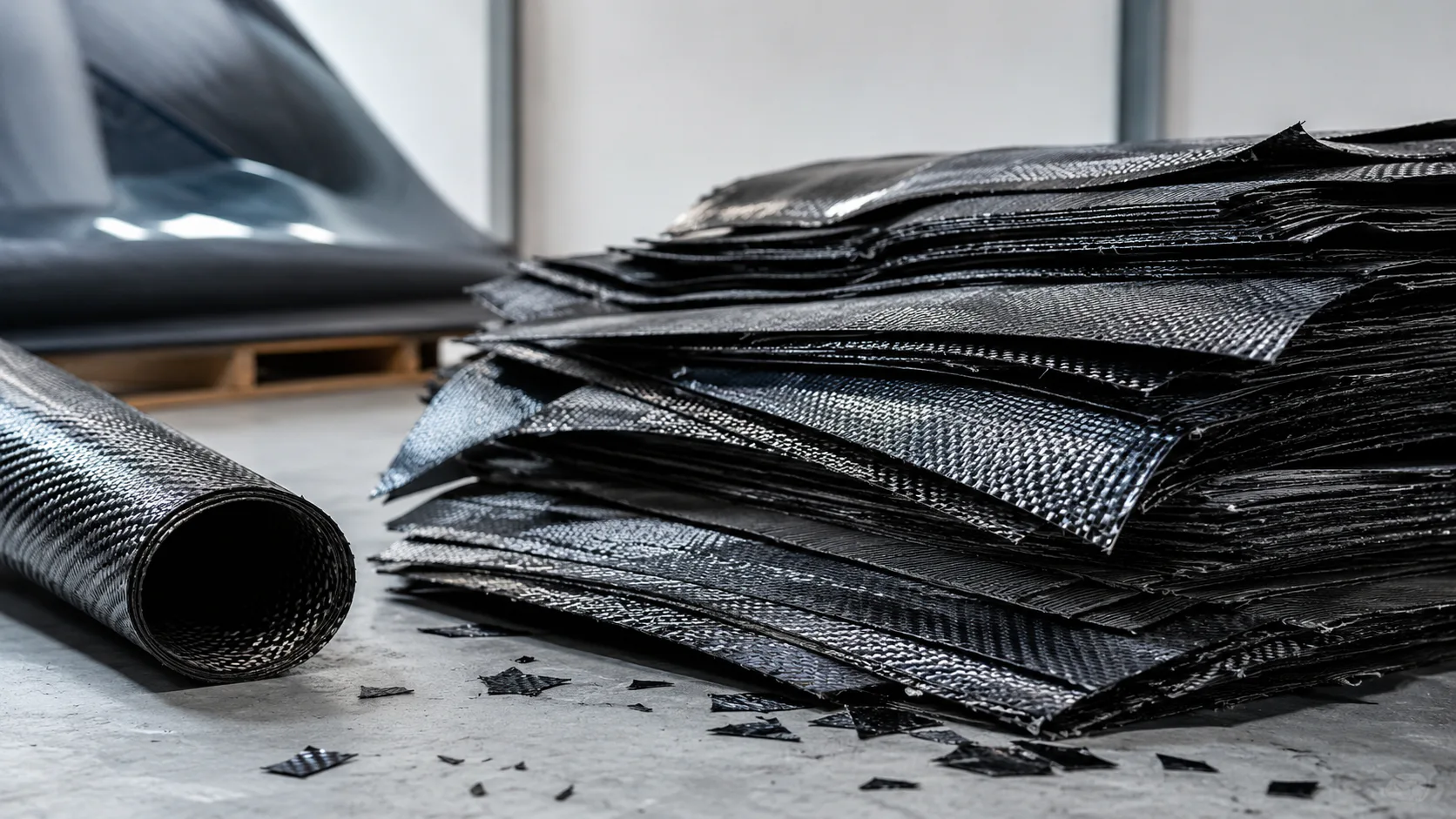
The use of fiber composites is growing rapidly worldwide. However, with increasing production, energy consumption, material losses and waste volumes are also increasing significantly. The study "Mapping the global flow of fiber-reinforced polymer composites and supply chain energy requirements" by American scientists shows in detail how much energy is actually required for the production of composites, where large quantities of production waste are generated along the supply chain, and why recycling has so far only played a minor role. The study was published in "Resources, Conservation & Recycling".

Food waste is largely generated in private households. There is considerable potential for waste avoidance there. The field study "Sharing to prevent waste: The effectiveness of an intervention encouraging food sharing" by Dutch scientists proves a positive effect: A simple combination of information guide and reminder stickers significantly increases the passing on of food and shortens storage processes. The journal "Resources, Conservation & Recycling" published the study.
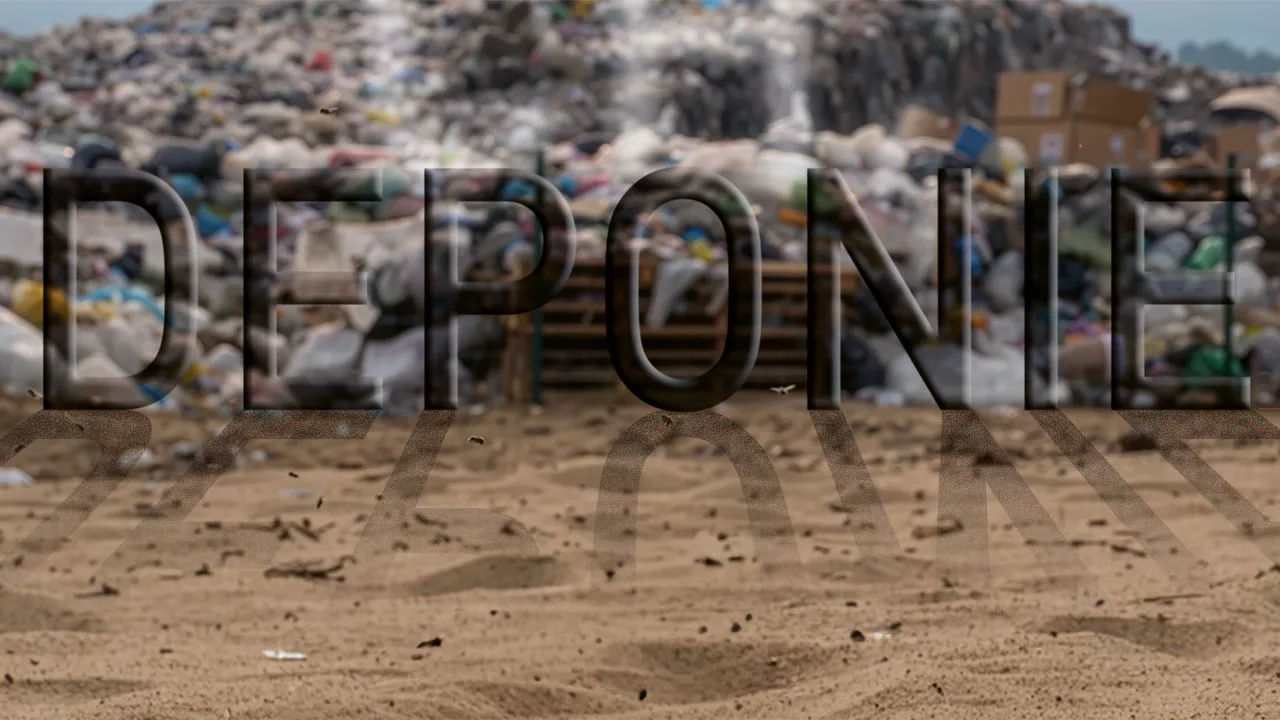
Methane emissions from landfills are often underestimated in European climate policy, even though they have a significant impact on the climate for decades. The study "Methane emissions from Europe's landfills", conducted by Prognos and the Ifeu Institute and initiated by Kanadevia Inova uses a scenario-based modelling approach to analyse future methane emissions from the landfilling of municipal waste in the EU-27 and the UK.