
Gap in treatment of residual waste
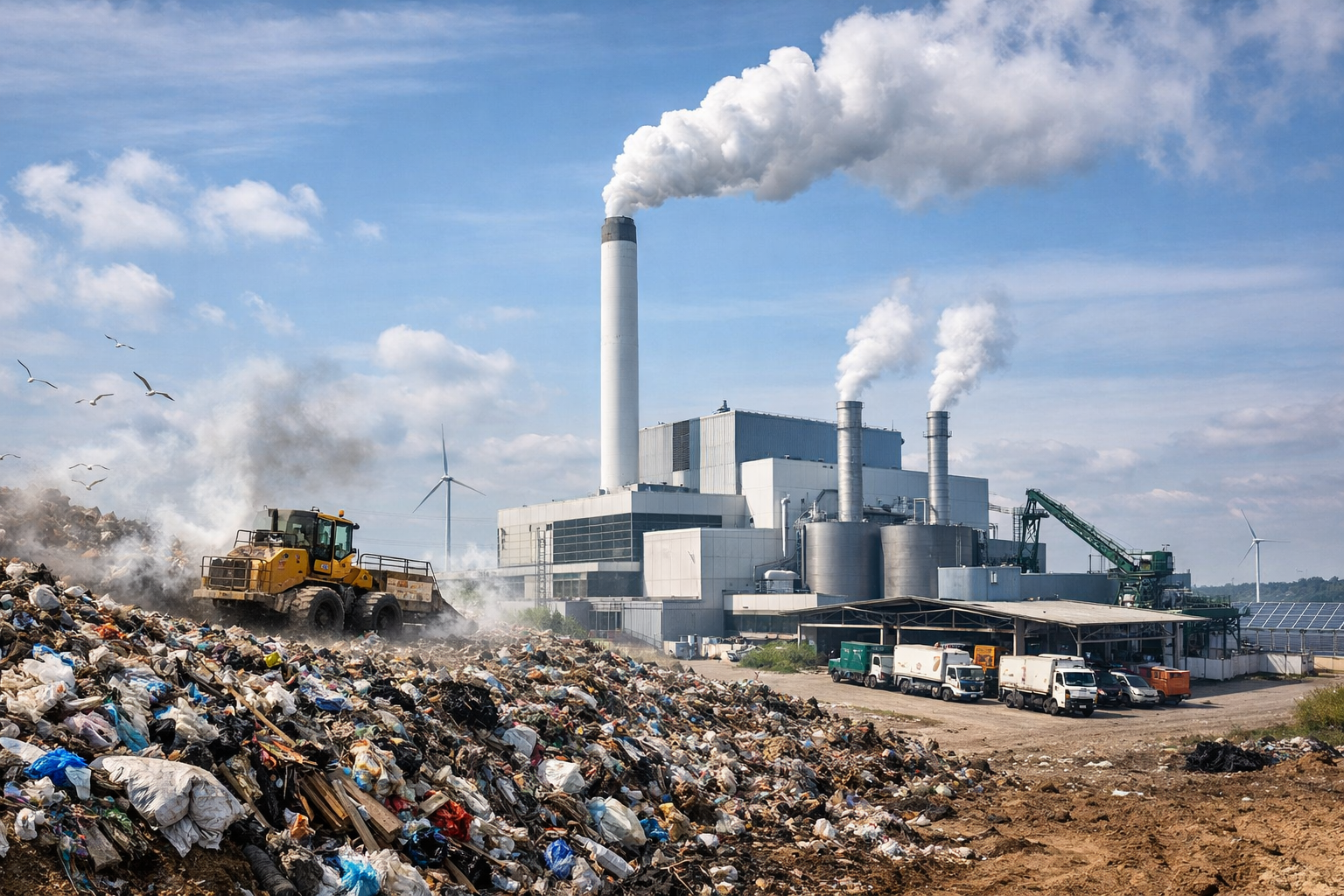
In a recent position paper, the alliance identifies the absence of a clear definition and recognition of Waste-to-Energy as a treatment option for residual, non-recyclable waste. This fraction persists even in advanced waste management systems and is still frequently landfilled or openly dumped in many regions.
Limited differentiation of technologies
The GMSR prioritises upstream measures such as waste prevention, recycling, composting and anaerobic digestion. However, it refers to energy recovery without distinguishing between biological and thermal processes. Thermal treatment is mentioned only marginally and without defined performance criteria or monitoring, reporting and verification requirements.
Implications for policy and investment
As a reference document, the GMSR informs climate policy, financing mechanisms and investment frameworks. Technologies that are not clearly defined risk exclusion from implementation and funding decisions. This is particularly relevant in regions where uncontrolled dumping and poorly managed landfills remain widespread.
European experience with integrated systems
European waste management systems combine high recycling rates with significant Waste-to-Energy capacity. This approach has contributed to reducing landfill volumes and associated methane emissions while enabling energy recovery and material stabilisation. Within the European Union, Waste-to-Energy is subject to regulatory limits, emissions standards and monitoring requirements.
Scientific perspective on methane mitigation
From a scientific standpoint, comprehensive Waste-to-Energy methane mitigation requires addressing the entire waste management chain, including residual waste streams. Research and operational data indicate that controlled thermal treatment can reduce methane formation from landfills while supporting energy recovery.
Global waste treatment context
Approximately 500 million tonnes of municipal solid waste are treated annually in Waste-to-Energy facilities worldwide, while more than one billion tonnes are still landfilled. With increasing urbanisation, particularly in emerging economies, the management of residual waste remains a critical factor in methane emissions.
Call for clearer framework
The WtE+X Knowledge Alliance calls for the GMSR to include a clearer definition of Waste-to-Energy, specify its role alongside recycling and biological treatment, and establish eligibility criteria based on environmental performance and monitoring standards.