
Subscribe to our newsletter!
Recieve the latest news on recycling, environment and circular economy once a month.

For years, the EU has been working to become more sustainable. The circular economy principle plays an essential role in this endeavour.
E-waste is one of the fastest growing waste streams. While many industrialised countries have developed appropriate systems for dealing with this waste, there is still a lot of catching up to do, especially in lower-income countries

The continued growth of plastics production is further exacerbating the triple planetary crisis of habitat loss, plastic pollution and greenhouse gas emissions. In the study "Towards circular plastics within planetary boundaries", scientists from RWTH Aachen, ETH Zurich and the University of California show that high recycling rates combined with the use of biomass and CO2 could lead to sustainable plastics production. The study was published in the journal "Nature Sustainability".
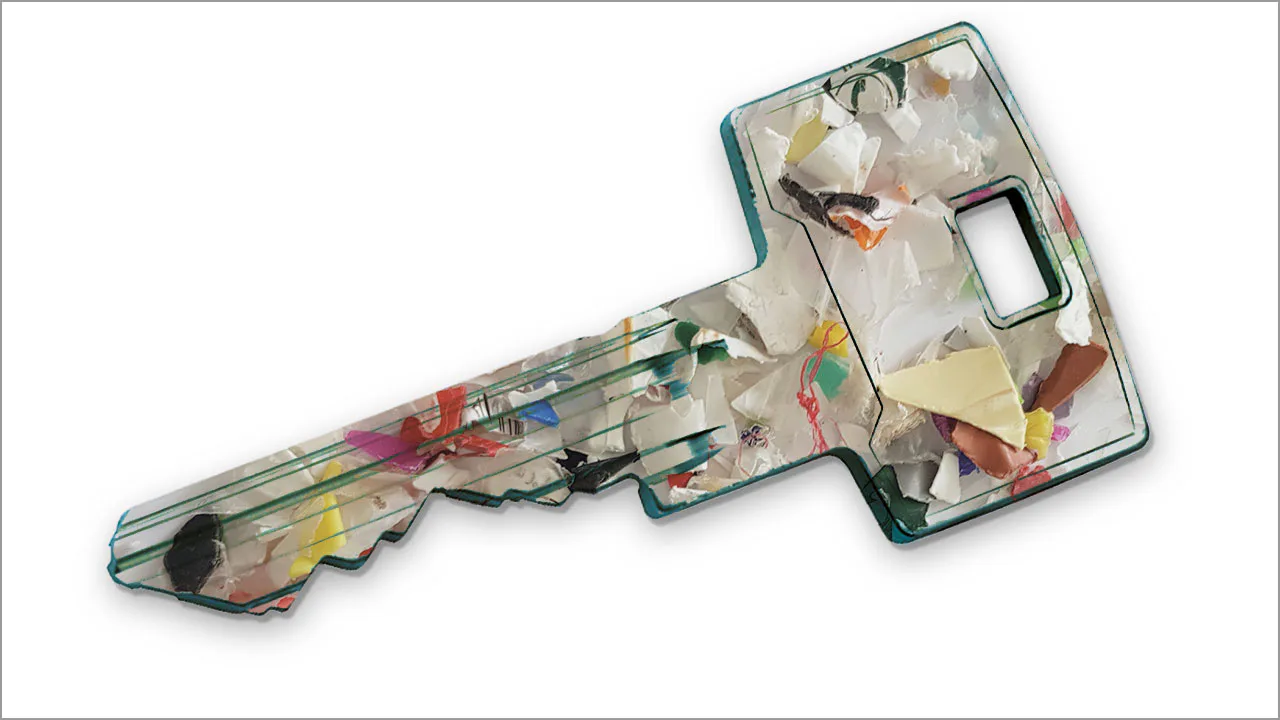
Despite global efforts to increase recycling levels, plastic waste is growing on a startling scale. According to the World Economic Forum, we produce approximately 400 million tonnes of plastic waste globally every year, and the Organization for Economic Cooperation and Development (OECD) estimates that global plastic waste is set to almost triple by 2060 - with around half of the total amount ending up in landfill and less than a tenth being recycled.

Buildings have a considerable impact on both material use and CO2 emissions. With the report "Towards a circular economy in the built environment", the Circular Buildings Coalition wants to show the way to more circular buildings.

The Ghana-based startup AppCyclers has developed a web- and appbased solution for local e-waste management. The product aims to make it as easy as possible for users to find the nearest collection points. The start-up also offers an online marketplace, used devices and upcycled gadgets and focuses on education.