
Michael Brunn
Chefredakteur

Chefredakteur
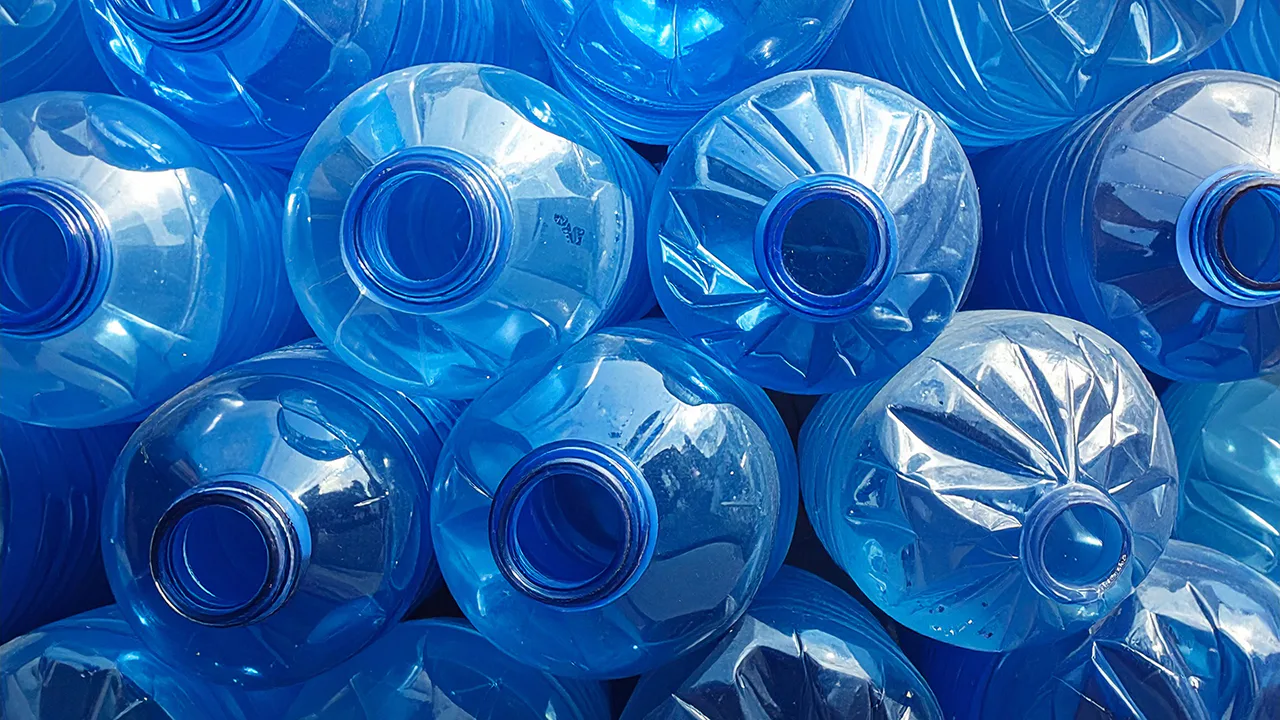
Global plastic consumption exceeded 400 million tons for the first time in 2022. In the EU, it is around 100 kilograms per capita and could double by 2060. Production and processing contribute significantly to greenhouse gas emissions, while mismanagement and losses release millions of tons of macro and microplastics into the environment. The EU has set an important course with the Green Deal, the Plastics Strategy and the Single-Use Plastics Directive. Nevertheless, the recycling rate remains low at around 20 percent, and chemical recycling or bio-based plastics have so far only played a minor role. Against this background, the Joint Research Centre's study "Plastics materials flows in the EU-27 and their environmental impacts" examines plastic flows in the EU-27 for 2022. The aim is to identify fields of action for a circular plastics economy.
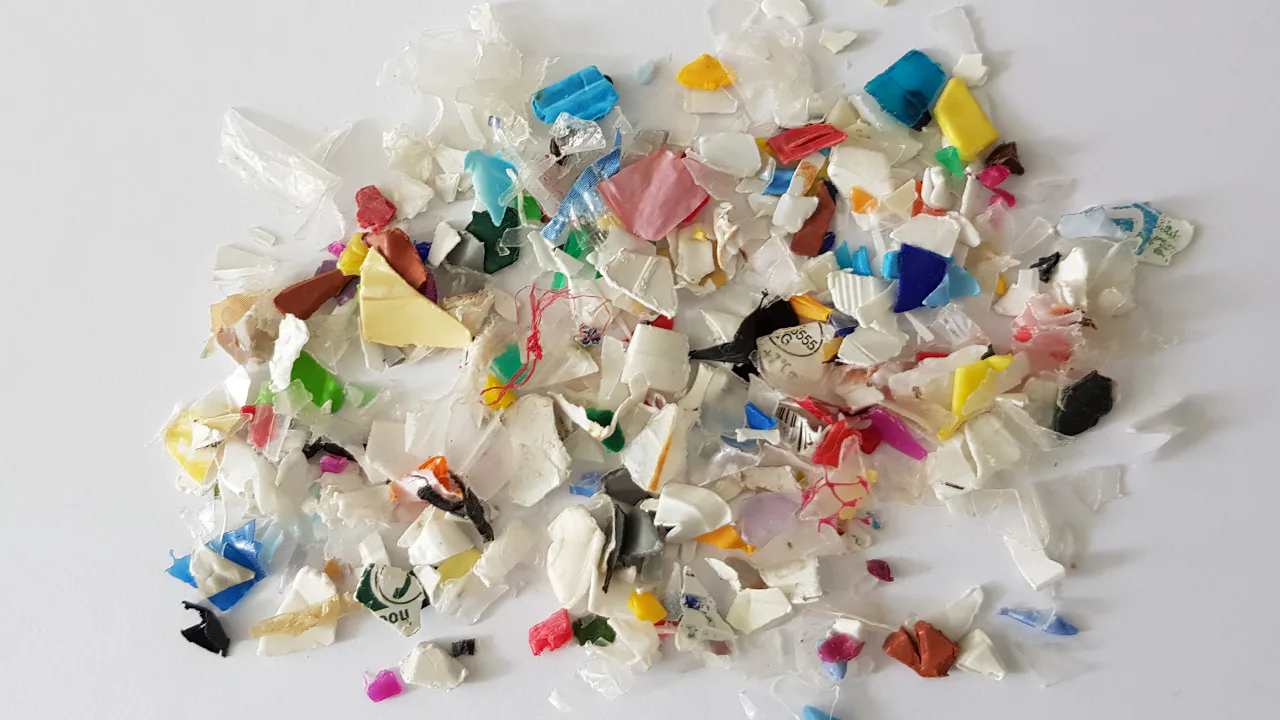
The "Global Plastics Flow 2023" study by Conversio Market & Strategy on behalf of BKV, GKV, VDMA, Wir sind Kunststoff and Messe Düsseldorf shows that awareness and initiatives for the environmentally sound treatment of plastic waste and for its circular economy are increasing worldwide, but that progress is not yet satisfactorily related to increasing plastic production.

Plastic is practical, cheap and everywhere, but the price for the environment and health is high. Worldwide, plastic waste accumulates in soils, rivers and oceans, where it decomposes very slowly and enters the food chain as microplastics. The search for alternatives is therefore more urgent than ever. Biodegradable plastics are seen as a beacon of hope. But the reality is more complicated: Many materials only degrade in special composting plants, their production is more expensive, and the necessary infrastructure is often still lacking. The report "Exploring the pathways to sustainability: A comprehensive review of biodegradable plastics in the circular economy" by scientists from China and Pakistan shows how bioplastics can be embedded in the circular economy, where their strengths lie and what hurdles still need to be overcome. The report was published in Materials Today Sustainability.
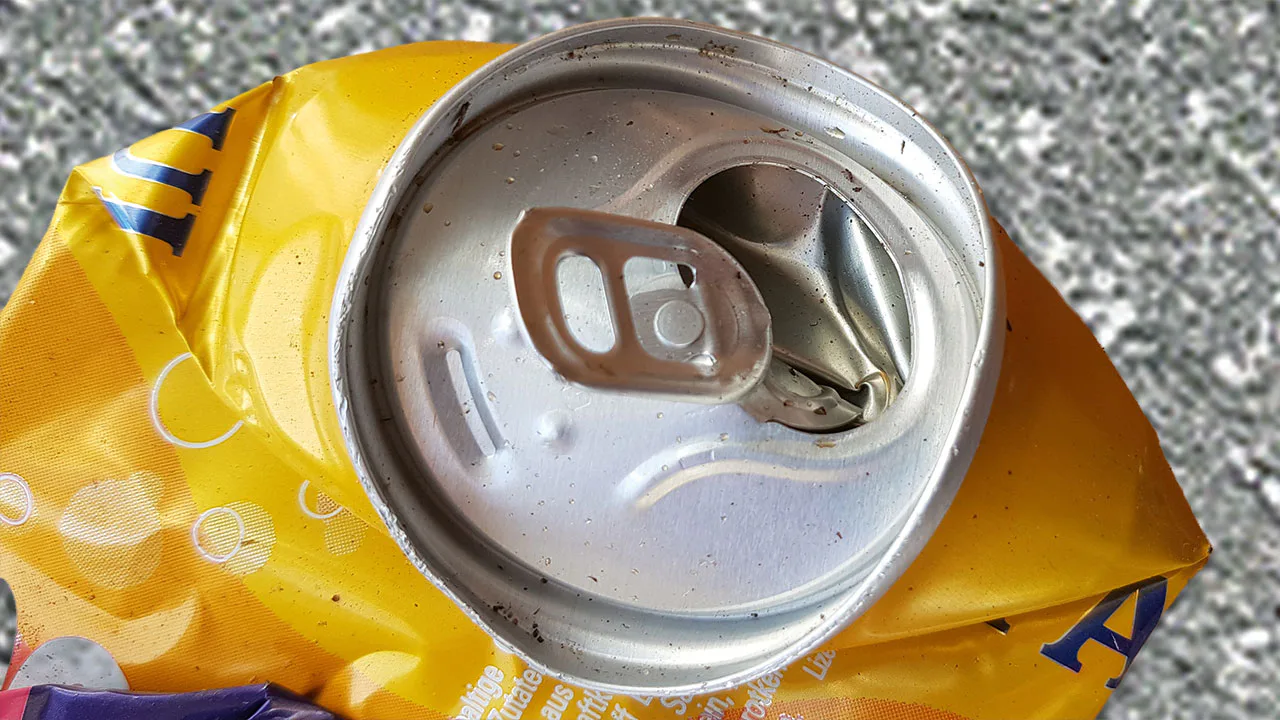
Today's economy predominantly follows a linear model that consumes and disposes of resources. The circular economy counters this with a model that keeps materials in the cycle for as long as possible. One key to this is deposit systems, which promote the return of packaging through monetary incentives. While they are established in many European countries, the focus of research is mostly on households. On the other hand, the role of companies, especially in the horeca sector, has been little investigated, although there is great potential for resource conservation here. In practice, however, deposit packaging is often not returned. Successful recycling therefore depends both on the behaviour of consumers and on the design of the collection structures. Against this background, the study "Motivating recycling behaviour: The role of deposit return systems and collection point design" by two Dutch scientists examines how guests in a university cafeteria can be motivated to recycle correctly through nudging, prompting and the design of sustainable collection points. The study was published in "Cleaner Waste Systems".
The consumption of textiles in the European Union has been rising continuously for years, with EU citizens now consuming an average of around 19 kilograms of textiles per year. This leads to high resource consumption, waste and environmental pollution. To counteract this, the EU is pursuing a strategy for sustainable and circular textiles. The focus is on longer service life, re-use and recycling, while incineration and landfill are only to be last resorts. A central element is the international trade in second-hand clothing. While high-quality pieces remain in Europe, the majority is exported to countries with corresponding markets, especially Africa. There, as in Kenya, second-hand clothing plays an important role. Using Humana as an example, the Swe-dish Environmental Research Institute has investigated how the value chain from collected tex-tiles in Europe to sorting centres and markets in Kenya is organised and what economic and ecological significance it has for the circular economy.
The transition from a linear to a climate-neutral circular economy is a core goal of the Europe-an Green Deal. For Austria, the transition offers both opportunities and challenges, as a large part of emissions come from raw material processing, especially in energy- and process-intensive industries such as steel and cement production. Circular processes reduce energy demand and emissions and facilitate decarbonization with electrification. The Integrate project, funded by the Climate and Energy Fund, examines the effects of increased use of secondary raw materials in key industries and shows ecological and economic advantages, provided that suita-ble political framework conditions are created. The aim is a transformative innovation policy that promotes economic, institutional and societal changes in addition to technology in order to achieve a climate-neutral circular economy by 2050.

Building on the performance and legacy of the R Series secondary shredder, the newly introduced R-MAX3300 is specifically engineered for handling low-density waste streams. These include Municipal Solid Waste (MSW), Commercial and Industrial (C&I) waste, Bulky waste, Legacy waste, Wood waste, and Construction & Demolition (C&D) waste.

Since its inaugural launch on June 5, 2025, Nextloopp Americas has been mobilizing stakeholders across the packaging and plastics value chain - including recyclers, converters, brand owners and recycling equipment providers - to establish the infrastructure, technologies, and regulatory pathways needed for safe, scalable recycling of food-grade PP via the proprietary Ppristine resin process.
It is true that Germany has been obliged to collect organic waste separately since 2015. However, the quantities have hardly increased in recent years, as a large part of the waste still ends up in the residual waste. Therefore, the question arises as to how both the quality and quantity of the collection quantities can be improved. The report "Investigation of the effectiveness of waste advice, control and sanction mechanisms and other measures to increase the quantity, proportion and purity of separately collected biowaste in different settlement structures" by Infa and L-Q-M on behalf of the Federal Environment Agency attempts to answer this question.

Digital Product Passport (DPP) will be a game changer for Europe and its industries. As a standardised unique digital record of a product, mandated by the European Union to provide comprehensive information about a product's life cycle, it is meant to increase transparency, promote a circular economy and streamline regulatory compliance. It will contain data on a product's origin, conformity, materials, environmental performance, and be accessed through data carriers like QR codes.