Michael Brunn
Chefredakteur

Chefredakteur

For this reason, ARC is now taking the next step towards environmentally harmless waste disposal: After more than 200 electric refuse collection vehicles, the wheel loader fleet has been electrified - consisting of eight new battery-electric wheel loaders L 507 E from Liebherr.

Stadler has successfully completed the new municipal solid waste sorting plant for Stockholm Vatten och Avfall (SVOA). Designed to process 50 tons of waste per hour, the new facility is equipped with fully automated sorting lines that recover organic waste from household garbage, as well as plastic and metals accidentally mixed in the residual material arriving at the plant. This reduces the volume of materials destined for incineration to generate power and heat water, consequently lowering CO2 emissions.

With 70 employees and a main warehouse in Castelfranco Veneto covering 50,000 square metres, the company specializes in the fast and efficient supply of ready mixes for foundries and steelworks throughout Italy.
The region now accounts for almost one-third of global plastics use, with annual per capita use ranging from 32 kg in lower middle-income countries to over 100 kg in many upper middle- and high-income countries in the APT region. In 2022, the region leaked 8.4 Mt of plastics into the environment - over one-third of the global total, including 3.5 Mt from ASEAN Member States and 4.9 Mt from China. Plastic leakage refers to any plastic that enters the terrestrial or aquatic environment, resulting from inadequate collection and disposal. This includes plastic waste, such as packaging or beverage cups, that is littered or openly dumped.
The Commission adopted the Steel and Metal Action Plan (SMAP) on 19 March to address the significant challenges affecting the competitiveness of the EU's metals industries. One key pillar of this plan is promoting metal circularity, which not only supports the decarbonisation of metal industries but also aligns with the Commission's proposal to achieve a 90% reduction of net greenhouse gas emissions by 2040, compared to 1990.

Vanheede is setting the course for even more efficient recycling with a state-of-the-art sorting plant at the Rumbeke site. The plant processes up to 100,000 tons of residual waste annually and can separate eight waste streams.

For the first time in the battery recycling sector, lithium was extracted and purified from shredded electrodes (black mass) containing various chemistries, including nickel-manganese-cobalt (NMC) and lithium-iron-phosphate (LFP), using a single processing line. This integrated approach enhances process flexibility and may reduce capital expenditures.

Hagerstown, Maryland-based Conservit Inc., which has been in business for more than 50 years, maintains a forward-looking attitude toward the metals recycling industry and the possibilities offered by sorting and other technological advances.

As an important supplier to the major Italian iron and steel groups, foundries and refineries, Cometfer is characterized by its know-how in the procurement of scrap materials coming from various industrial activities and productions. To further increase efficiency in scrap handling, Cometfer opted for the Sennebogen 825 E material. In addition to the 825 E, 8 other Sennebogen machines are in operation at Cometfer.
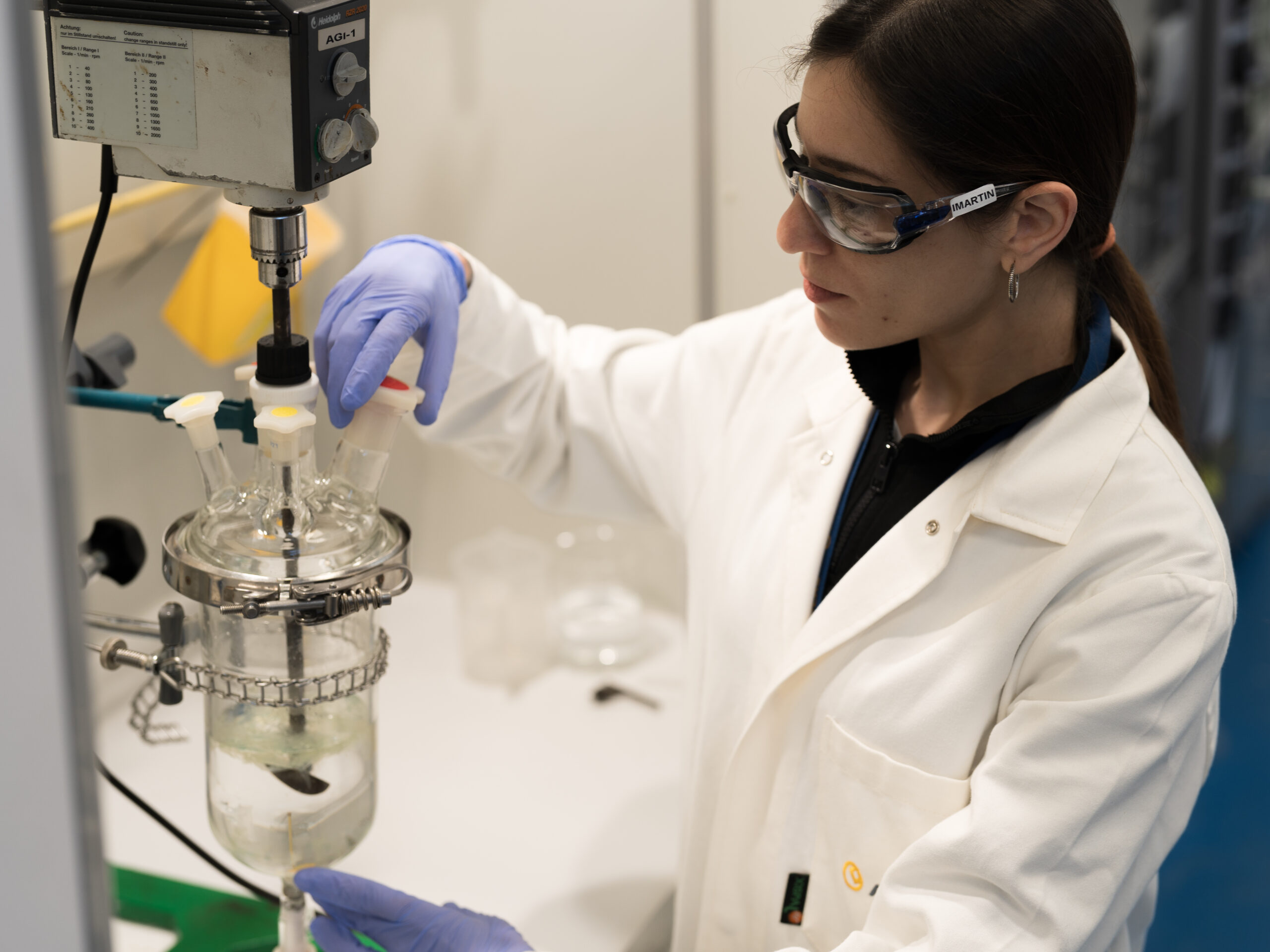
Aimplas is addressing this issue through innovative technologies such as physicochemical delamination, a combination of mechanical separation techniques, and enzymatic recycling. These approaches have enabled the efficient and sustainable recycling of multilayer waste, allowing it to be reintroduced into the value chain or used to produce new recycled plastic products.