
Michael Brunn
Chefredakteur

Chefredakteur

Europe is facing ecological and social crises that are pushing the linear economic model to its limits. However, the circular economy concept offers solutions: it reduces emissions and resource consumption, strengthens resilience and creates social opportunities. Cities play a key role in this endeavour, as they bundle resource flows and control decisive levers through public procurement and infrastructure. In order to exploit their potential, cities need clear framework conditions and political support. The article "Policy Brief on Accelerating the Circular Economy for a Prosperous and Competitive Europe" presents the priorities of the Circular Cities Frontrunner Group and derives recommendations for both policy and practice.
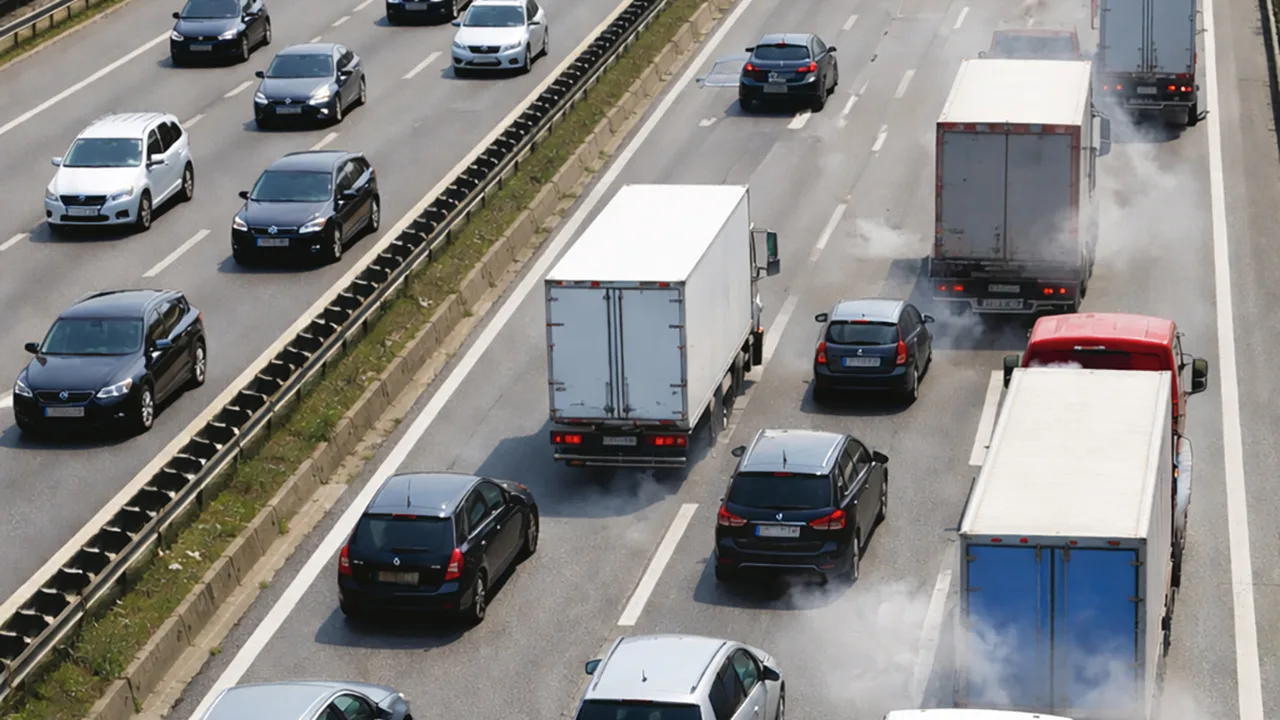
Assessing the effectiveness of climate policy measures is becoming increasingly difficult as countries continuously expand their climate policies and increasingly complex policy mixes emerge. Today, individual instruments hardly seem isolated, but embedded in dense constellations of parallel measures. In the study "Effective climate policies for 'all seasons': novel evidence from 40 countries", scientists from Spain, Switzerland, Germany and Norway develop a methodological approach that can nevertheless be used to identify robust effects of individual climate policies. On the basis of a comparative analysis of several countries, sectors and policy areas, those measures are determined that reliably contribute to the reduction of CO₂ emissions, regardless of the specific policy mix. The study was published in "Climate Policy".
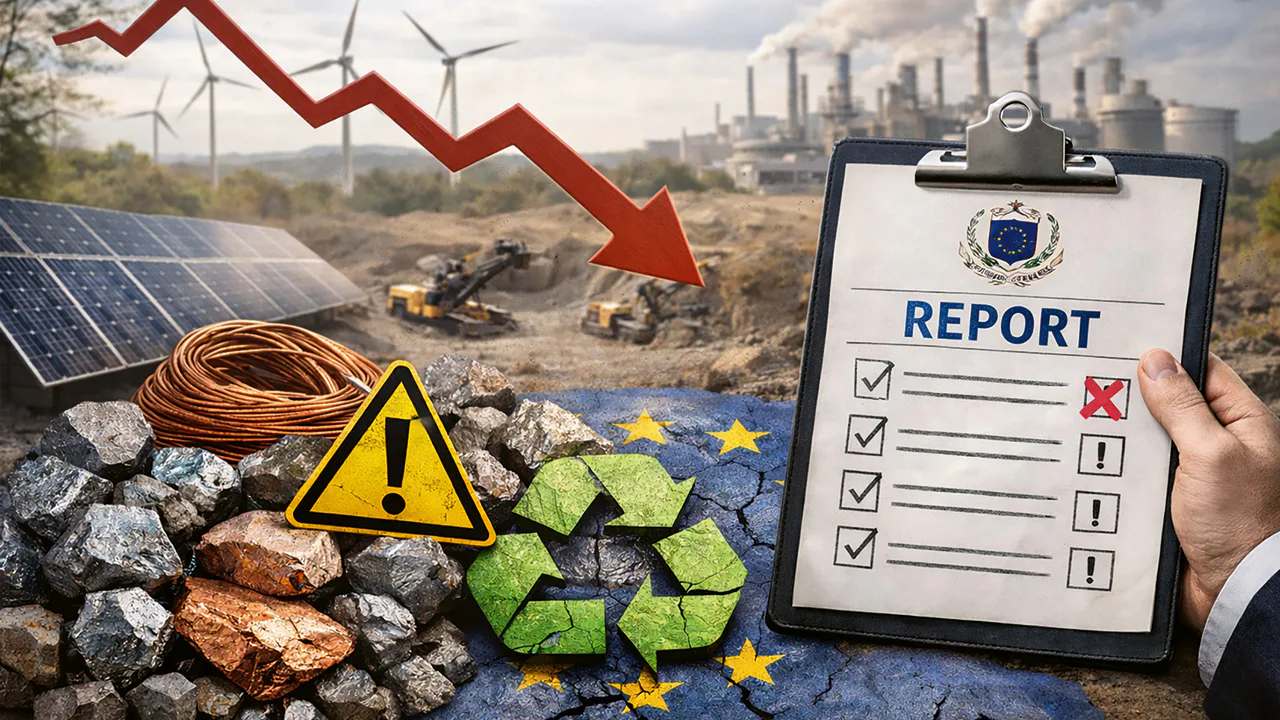
Renewable energies are a key factor in the EU's ambitious climate targets. The technologies required for this require a number of critical raw materials. Currently, the EU is largely dependent on imports. The Union has taken a number of measures to improve the security of raw material supply. In its special report "Critical raw materials for the energy transition: no solid strategy in place", the European Court of Auditors has examined how successful these measures have been so far. The title of the report already says everything about the result.

The figures are based on quarterly estimates of greenhouse gas emissions by economic activity published by Eurostat. These data complement quarterly macroeconomic indicators such as GDP and employment and provide a basis for assessing the relationship between economic activity and emissions trends.

Once material starts to stick, the buildup can be fast and dense, slowing the whole process flow, causing spillages and secondary blockages, and eventually resulting in unscheduled downtime. And that can also mean risk, as the temptation to find a quick way to remove blockages, without the proper risk assessment, safe access, tools or training, can lead to workers making unsafe decisions.

Until now, CPM Crown's European team had been distributed across three separate buildings. The new facility brings all functions together under one roof. According to the company, the consolidation reflects organisational changes in recent years, including the transition from geographically structured business units to a globally integrated functional organisation. Over the same period, the European workforce has expanded significantly.

Despite the existing EU waste acquis, significant quantities of municipal waste continue to be disposed of through landfill or incineration. According to the report, several policy approaches currently under discussion risk diverting residual waste between treatment options without reducing the overall volume remaining after prevention, reuse and recycling measures.

Film and flexible packaging are widely used in consumer goods applications due to their material efficiency and barrier properties. However, lightweight structures and multi-material formats present challenges for collection, sorting and mechanical recycling within existing waste management infrastructure. The framework analyses these constraints and sets out measures aligned with current infrastructure, market conditions and economic considerations.

Elastane is used in approximately 80 percent of clothing to provide stretch and comfort. It is typically added in concentrations ranging from one to five percent by weight in cotton or wool garments and up to 20 percent in polyester or polyamide garments. As a fossil-based material, elastane contributes to greenhouse gas emissions and the use of non-renewable resources. In addition, even low concentrations of elastane can interfere with established textile recycling processes. In fibre-to-fibre recycling streams for high-volume materials such as polyester and cotton, elastane can act as a contaminant, limiting recyclability and reducing the quality of secondary raw materials. As a result, many blended textiles are currently downcycled or disposed of.

The video examines the structure and core functions of the London Metal Exchange (LME), including price discovery, trading operations, risk management and hedging strategies. It also outlines the historical development of metals trading and explains how exchange-based pricing mechanisms influence physical markets. The objective is to clarify the operational framework of the LME and its relevance for companies active in secondary raw materials and metal recycling.